This weekend marks the 51st anniversary of the women’s strike in Iceland, where a remarkable 90% of women took the day off to demonstrate “the indispensable work of women for Iceland's economy and society" and to "protest wage discrepancy and unfair employment practices."
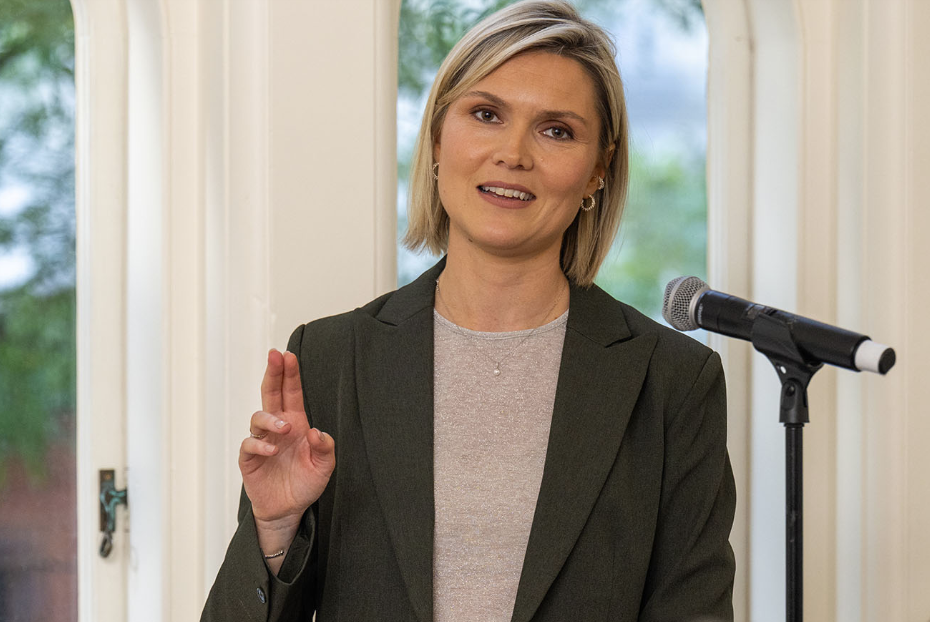
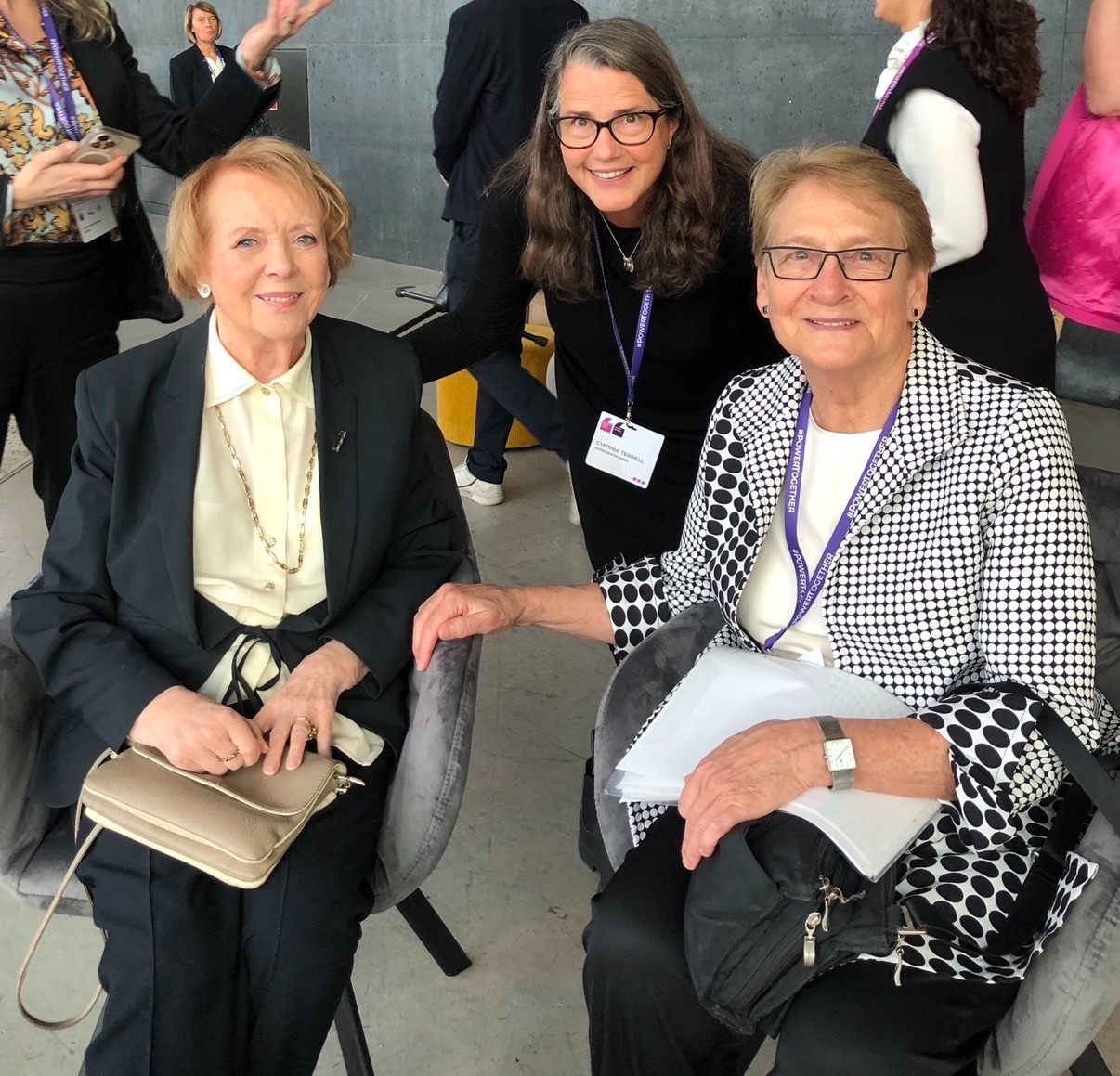
Within a year, Iceland’s parliament passed a law guaranteeing equal rights for women and men. In 1980, Vigdís Finnbogadóttir was elected president of Iceland, becoming the first democratically elected female head of state in the world, and today the president is Halla Tómasdóttir. Recent female prime ministers including Katrín Jakobsdóttir from 2017 to 2024 and, today, Kristrún Frostadótti.I recommend Eliza Reid’s latest book The First Lady Next Door, for a fascinating inside look at women’s leadership in Iceland.
Frostadóttir recently was profiled by her alma mater, Boston University. She observed that “Remember that a good leader is a good human being, a person that tries to understand where people are coming from. It’s good to be smart, but at the end of the day empathy will get you really far.”
It sure does — and we can see the implications of the lack of it every day in the United States. It relates to Barack Obama’s conversation last month with the historian Doris Kearns Goodwin observing: "If you put women in charge of every government for like two years and then just kind of saw, alright, how are things going? I have a strong belief that things would — they wouldn't be perfect — but they'd be better.”
There’s plenty of data to back this up. In 2021, the Westminster Foundation for Democracy released a comprehensive report on Women Political Leaders: The Impact of Gender on Democracy. Here’s an excerpt from its summary:
“When women take part in politics, the whole of society benefits. That is the main finding of this report, which is produced in partnership with the Global Institute for Women’s Leadership at King’s College London. Women Political Leaders: The Impact of Gender on Democracy is based on an analysis of over 500 pieces of research into the impacts of women leaders in politics and public life. The report shows that when women are able to exercise political leadership, there are gains not just for women and girls but for the whole of society.
- Women policy makers prioritise issues that benefit the most vulnerable in society, such as healthcare, welfare and education. As such, more women leaders seem to make for more equal and caring societies;
- Women may be more likely to focus on these issues because they have greater experience of deprivation, and because they are often responsible for caring for others;
- On average, women work harder than men to represent their constituencies, which is linked to a stronger sense among voters that government is responsive to their needs;
- Increased representation of women in elected office is associated with counteracting corruption and focusing resources on the quality and consistency of public service delivery;
- States where women hold more political power are less likely to go to war and less likely to commit human rights abuses;
- Women bring collaborative and inclusive leadership styles into political environments that are often characterised by division and one-upmanship.
Many nations have addressed the challenge of under-representation of women with gender quotas. American democracy is unusual in many ways – including having the government paying for party primaries, our Senate having equal powers with our House, federal judges serving for life, and most local offices being elected in nonpartisan contests. We also are an outlier for having no political will to talk about gender quotas – which is concerning given the recent push, by some (men), for party list proportional systems that must be paired with some sort of quota to ensure women are recruited to the party lists. Compare that reluctance to a seminal 2005 report from the International Institute for Democracy and Electoral Assistance on The Implementation of Quotas: European Experiences that addresses how 35 nations in Europe had either mandated or voluntary gender quotas. Even if we were to have direct quotas, we must have intentionality – and determination.
As I turn to this week’s news, I’ll share that RepresentWomen is experiencing a serious shortfall in funding. If you like our work and the Weekend Reading, now is the time to show your support! Please make a donation today.
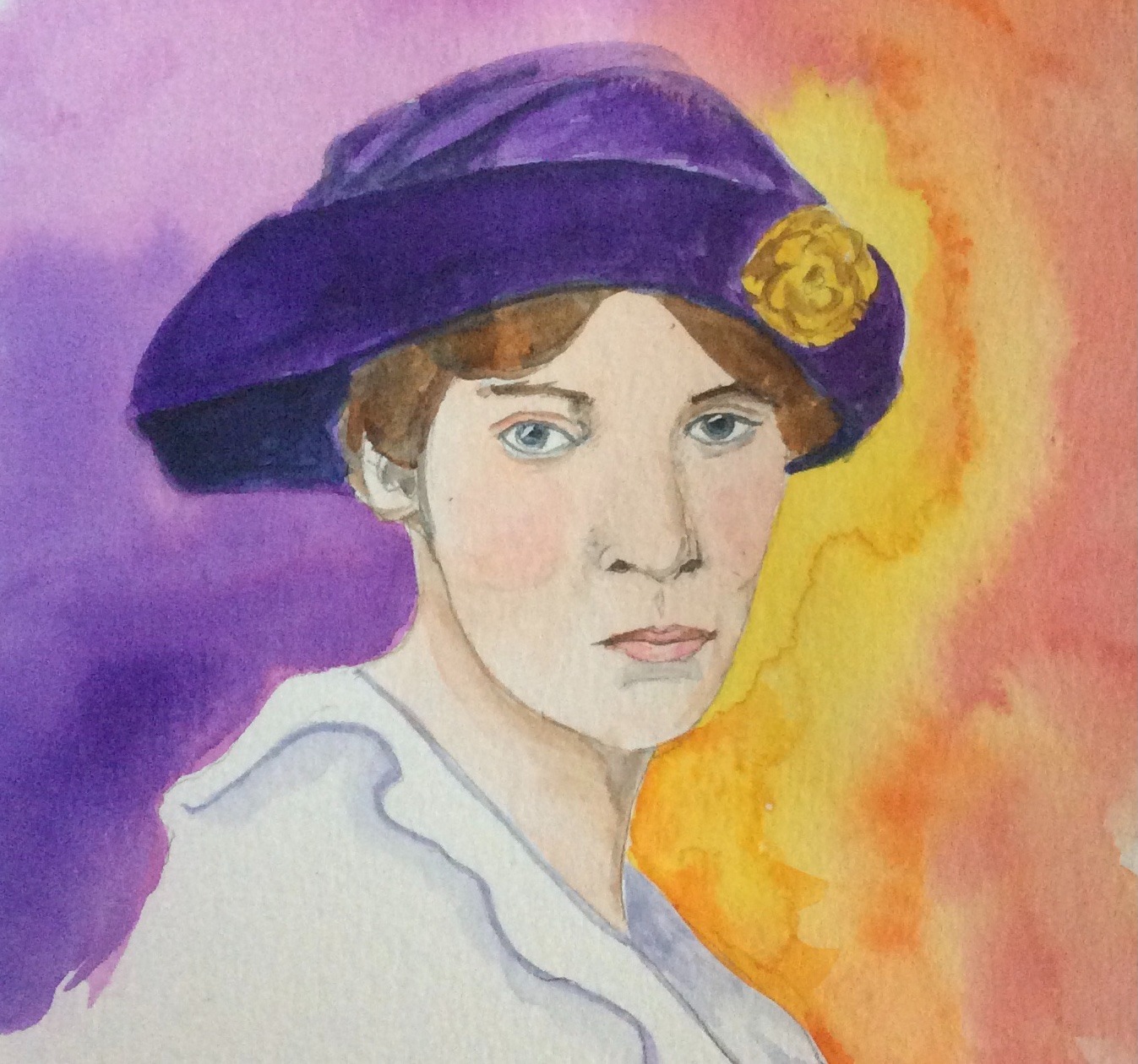
Milestones: Alice Paul arrested and jailed (1917); and 1st National Women's Rights Convention takes place in Worcester, MA. (1850).
Birthdays: Tracy Chevalier, author; Ashlyn Harris, professional soccer player & activist; Bertha Knight Landes, 1st woman mayor in the U.S.; Marjorie Tallchief, Osage Nation ballerina; Lois Meek Stolz, 1st president of Education of Young Children, worked to establish nursery schools; Kamala Harris, Former Vice President; Sunny Hostin, co-host of The View; Kate Gallego, Mayor of Phoenix, AZ; Jean Quan, 1st female mayor of Oakland, CA; Jocelyn Benson, Secretary of State MI; Rachel O'Malley; Dillon Sebastian; Abigail Scott Duniway, early western author and Pacific Northwest suffrage leader, (1871-1915), succeeded in winning woman suffrage in Oregon (1912); Meghan McCain, author & co-host of The View; Martha Roundtree, creator and moderator of Meet the Press; Michelle Lujan Grisham, Governor of NM; Katie Sebastian, co-founder of Ixoq; Hallie Sebastian; Helen Rosenthal, former New York City Councilwoman; Belva Lockwood, attorney, first woman admitted to practice law before Supreme Court (1879), ran for U.S. President in 1884 and 1888; Samantha Bee, comedian; Natasha Lamb, Managing Partner at Arjuna Capital; Marjorie Phillips, artist, embraced techniques of Van Gogh and Cezanne, introduced modern art to the Phillips Gallery as associate director of her husband’s museum.
Horrifying Attack on Australian Woman Member of Parliament
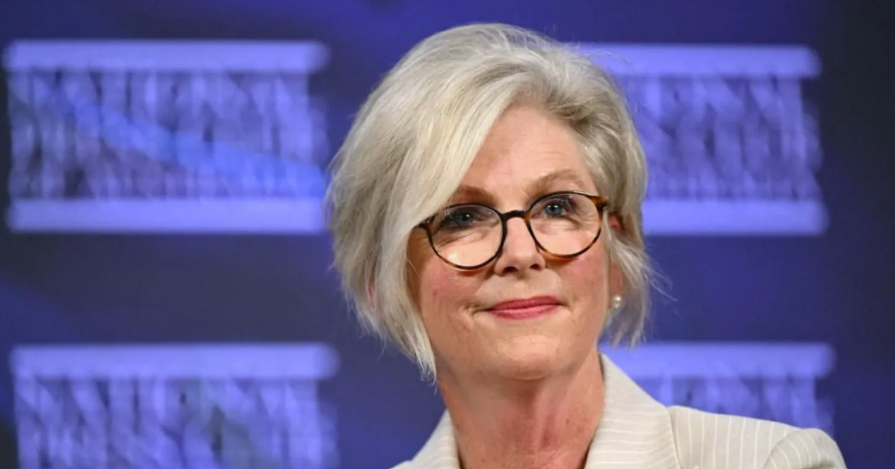
In recent weeks I shared disturbing news and analysis about violence and threats of violence against women leaders, including a brutal rape of Arizona congressional candidate Bernadette Greene-Placentia and the pattern of highly disproportionate threats against women in office. Now comes a story from Australia on an attack on one of several independent women in its House of Representatives for which I can find no words. From the BBC:
Australian independent MP Helen Haines is in hospital in a critical condition after she was struck by a car outside her electorate office in what Prime Minister Anthony Albanese said appears to have been "a deliberate act"...
Haines was struck by a White Toyota Landcruiser outside her electorate office on Monday. The driver allegedly reversed to run into her a second time, Home Affairs Minister Tony Burke said. "What witnesses have described is the driver doing a U-turn to get into the car park and to ram Helen against a vehicle, then to reverse and do it a second time," Burke told national broadcaster ABC on Tuesday morning…
Haines was airlifted to a Melbourne hospital where she underwent surgery. She has lost one of her legs, according to local media. National broadcaster the Australian Broadcasting Corporation reports that surgeons are working to save her other leg…
Paying tribute to Haines during a news conference, Albanese described her as "incredibly hard-working". "She is fiercely intelligent but most importantly she is just a thoroughly decent human being full of integrity and respected right across the Parliament and from everyone who comes into contact with her", he added. He said the attack will come as an "incredible shock" to her community...
Meanwhile, Australia's opposition leader Angus Taylor said he was "deeply saddened and distressed" by the attack. "This is a shocking day for our nation," he said. "No-one should be targeted in this way." But MPs from a range of political backgrounds have also described feeling deeply concerned about their safety in recent times: wearing disguises in public, locking their office doors, and scanning every crowd for potential threats.
Addressing Gender-Based Violence in Elections in Ghana
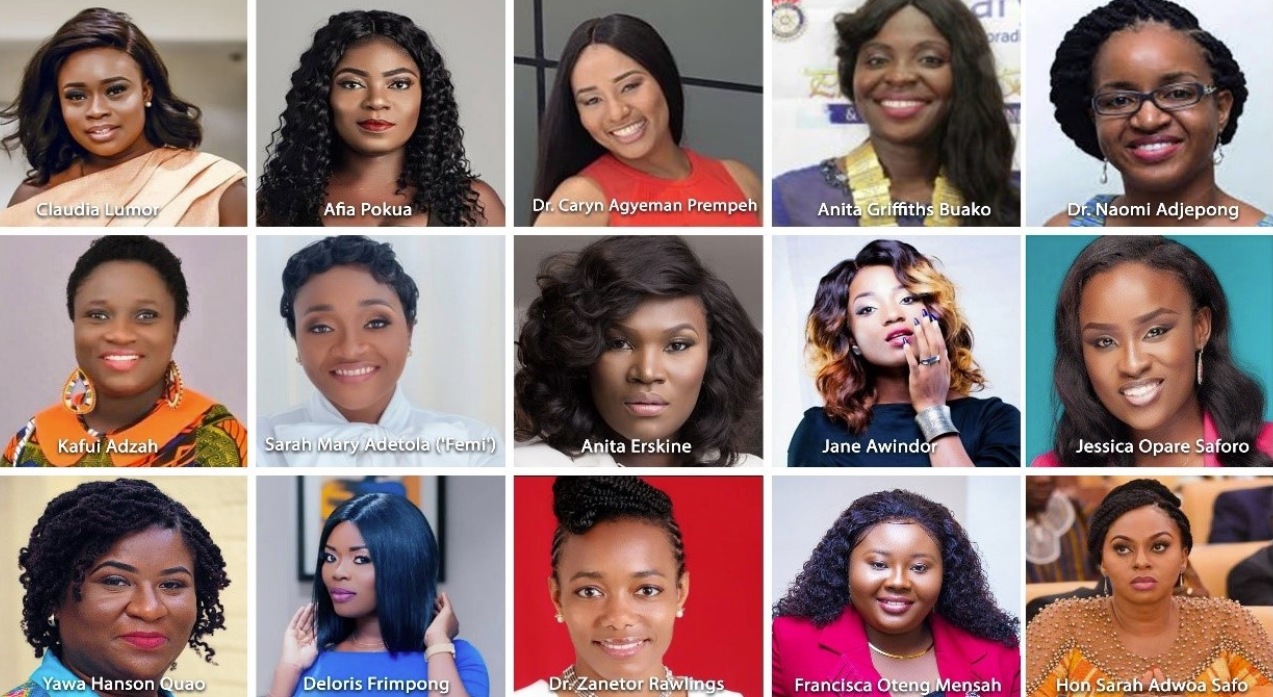
The International Institute for Democracy and Electoral Assistance this spring addressed political violence targeted on women in the African nation of Ghana and actions being taken to address it. Here’s the summary of Protecting Elections in Ghana: Addressing Discrimination, Exclusion and Gender-Based Violence in Electoral Processes:
Ghana is widely recognized as a resilient democracy in West Africa, but despite the Strong electoral administration, judicial dispute resolution, an active civil society and political parties committed to democratic principles, Ghana’s electoral processes continue to face significant inclusion challenges. Women remain underrepresented in political decision making, and evidence from recent electoral cycles indicates persistent gender-based discrimination, intimidation, and both offline and online gender-based violence targeting women candidates and political actors.
This case study examines Ghana’s institutional mechanisms and response capacity regarding the risks of exclusion, discrimination and gender-based violence in its electoral processes. International IDEA’s Integrated Framework for Protecting Elections is applied in the analysis, meaning that three perspectives (or ‘lenses’) will be used: risk management, resilience-building and crisis management capabilities. The case study outlines key strengths and areas for improvement.
The authors conclude:
A resilient electoral system must also protect the rights, safety and participation of all
stakeholders, especially those historically marginalized. Similarly, recovery
should extend beyond restoring political stability to include restorative
justice, institutional learning and reforms that address power imbalances and
discriminatory social norms and practices.
Overall, Ghana’s electoral system is resilient in maintaining continuity but less
so in ensuring inclusivity and safety. Without deliberate efforts to integrate
anti-violence and gender-responsive measures into electoral legislation
and governance, democracy risks becoming strong and stable in form but
weakened in substance. Strengthening resilience therefore requires a shift
from managing elections successfully to ensuring that elections are genuinely
fair, safe and accessible to all citizens.
Sweden Shows Inequality in Expectations for Members of Parliament
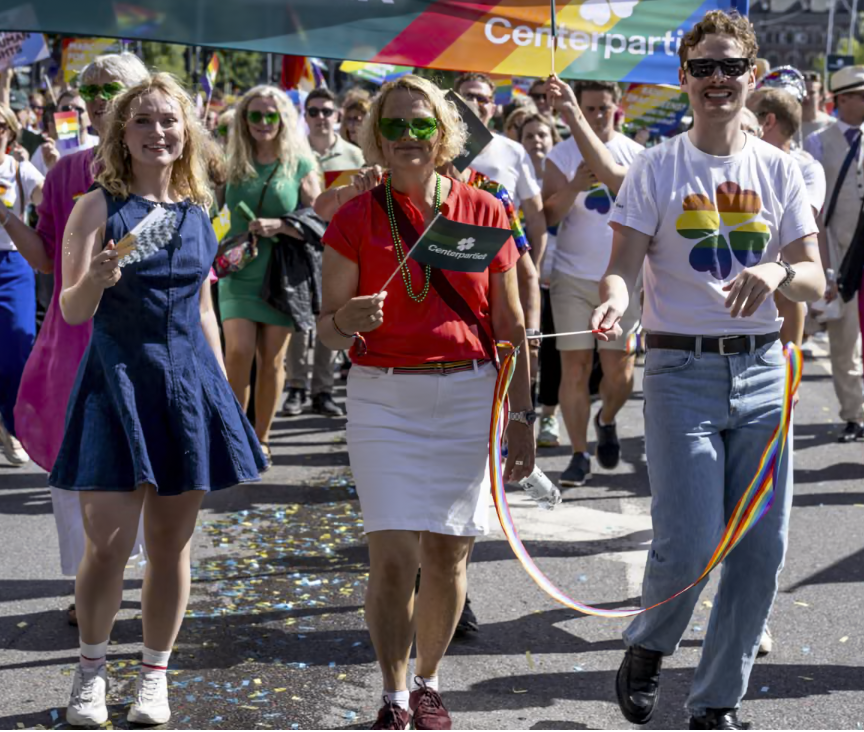
I learned a lot at the recent annual convention of the American Political Science Association, where RepresentWomen presented papers in multiple sessions. Sandra Håkansson has written Persistent Gender Roles In a Gender-Balanced Context: Swedish MPs’ Citizen Engagement for Parliamentary Affairs. Here’s a summary that underscores the ongoing need to support women with sensible rules as they serve and lead:
Distinct leadership styles are expected from women legislators, and research suggests that this is driven by women’s newcomer and minority-status in politics. Do women’s styles differ from men’s in gender-balanced contexts? This paper investigates informal norms on a relatively understudied part of legislators’ role: citizen engagement, using 33 interviews with women and men Swedish MPs. The findings suggest that women MPs experience high expectations on their availability to listen to citizens’ personal problems, while men more easily disregard citizens’ demands on their time and engagement. Compared to men, women also prioritize citizens outside their own electoral district more. This enforces hidden inequalities which continue to shape the gendered conditions for leadership in numerically gender balanced institutions.
Swedish Leader Elisabeth Thand Ringvist Seeks to Form Government
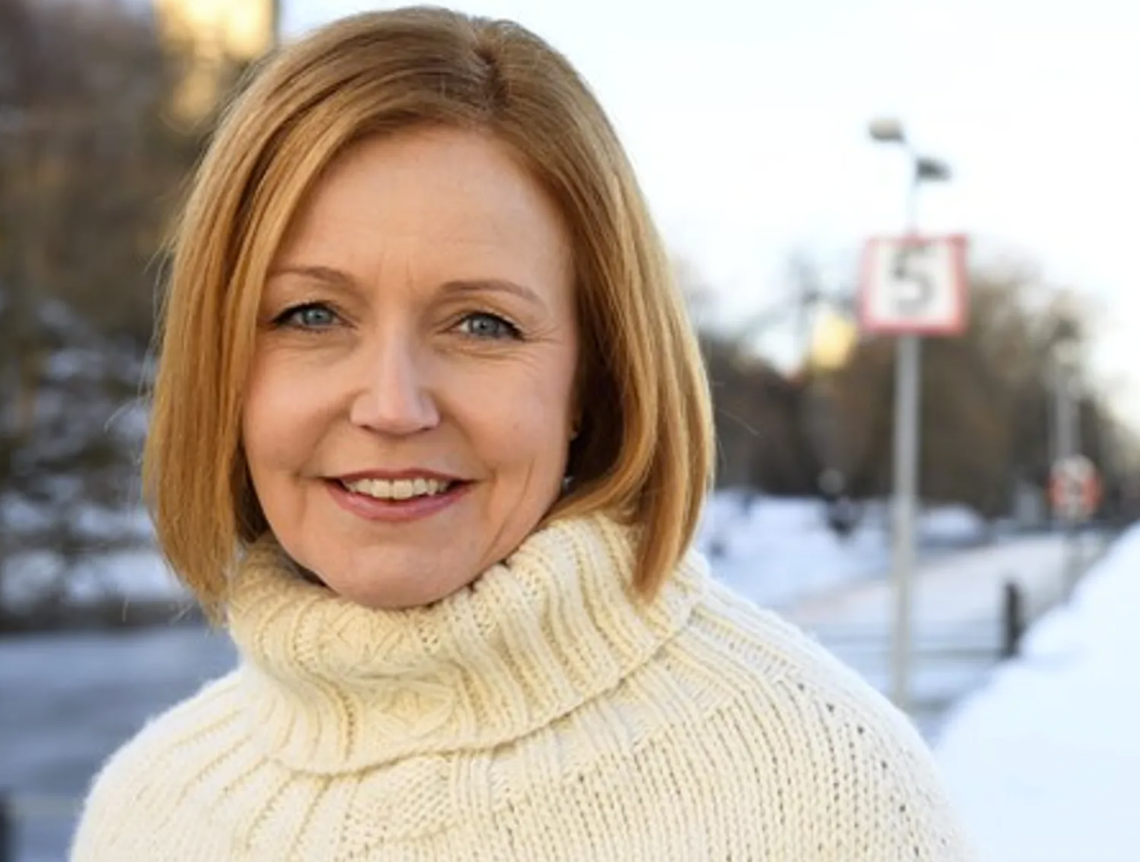
Sweden may soon have a new leader if a small party led by Elisabeth Thand Ringvist is able to assemble a majority in the wake of a very close election with several parties elected by proportional representation. Thand Ringvist or Magdalena Andersson of the Social Democrats seem most likely to become Prime Minister. Here’s an analysis from the Le Monde:
Sweden's parliament speaker said Monday, October 19, that he had asked Center Party leader Elisabeth Thand Ringqvist to try to form a government with left- and right-wing parties. Sweden's opposition left-wing bloc won a three-seat majority in September 13 parliament elections over the right-wing bloc headed by outgoing prime minister Ulf Kristersson, but opposition leader Magdalena Andersson of the Social Democrats has failed in several attempts to build a left-wing government.
In a bid to break the deadlock with neither the left nor the right blocs able to build a majority, speaker Andreas Norlen said he had asked Thand Ringqvist to explore the conditions for a "middle option." "She will report back to me in a week, at the latest on Monday, October 26," he told reporters.
Thand Ringqvist has since the election floated the idea of a government "in the middle" that would include mainstream parties but exclude the far-left Left Party and far-right Sweden Democrats. "We have said yes to 75% of the chamber. And so there are possibilities to explore," Thand Ringqvist told AFP last week.
After Norlen's announcement, she told Swedish media she would try to form a government that included the Center, Social Democrats, Green Party, Liberals and Christian Democrats. "In that middle alternative, the most likely candidate for prime minister is Magdalena Andersson, who heads the biggest party," Thand Ringqvist told Swedish news agency TT.
Ohio Gubernatorial Candidate Amy Acton Subject of “Despicable” Ad
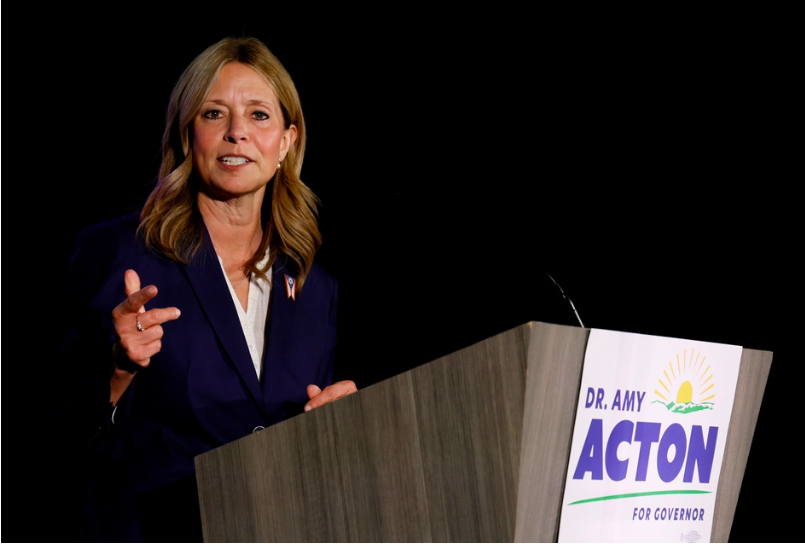
If you wonder why women often choose to stay away from politics, look no further than an ad attacking former Ohio Department of Health director Amy Acton, who has overcome a huge financial advantage for her opponent Vivek Ramaswamy to move ahead in recent polls in the election to be Ohio’s next governor. Alternet has more:
On Tuesday, an ad from the Ramaswamy campaign began to circulate online featuring an elderly woman claiming to be Acton's mother, Donna Arthur, and accusing her daughter of "lying" her entire life, including her past claims about living in a tent at one point during her childhood. Acton and her family swiftly denounced the ad, with Acton's brother, Philip Stearns, saying in a statement that Ramaswamy was attempting to exploit the sexual abuse his sister allegedly faced from their mother's husband as a child.
"This desperate, disgusting attack reveals exactly who Vivek Ramaswamy is at his core – a pathetic excuse for a man who is willing to hurt anyone as long as it gets him what he wants," Stearns said.
Reactions across social media were similarly disgusted, accusing Ramaswamy of going "beyond the pale" for political points, and suggesting that the use of Acton's mother was not likely to be effective, given the allegations against her. "What Vivek Ramaswamy has done here is despicable beyond words," Pod Save America host Jon Favreau posted in response to Stearns' statement.
"This is absolutely disgusting and the act of a desperate campaign," pollster Natalie Jackson posted to X. "This woman lost custody of her kids because her husband abused Amy. How anyone can look at that and say, 'let's put her on air,' is beyond me. Every consultant and operative who worked on or paid for this should be permanently out of politics."
"And notable the spot comes when [Vivek's] image was 37/53 in new Marist poll," Politico's Jonathan Martin posted. "Which takes real work when you’ve never even been in office."
Oklahoma Governor Election Offers Stark Contrast on Abortion Rights
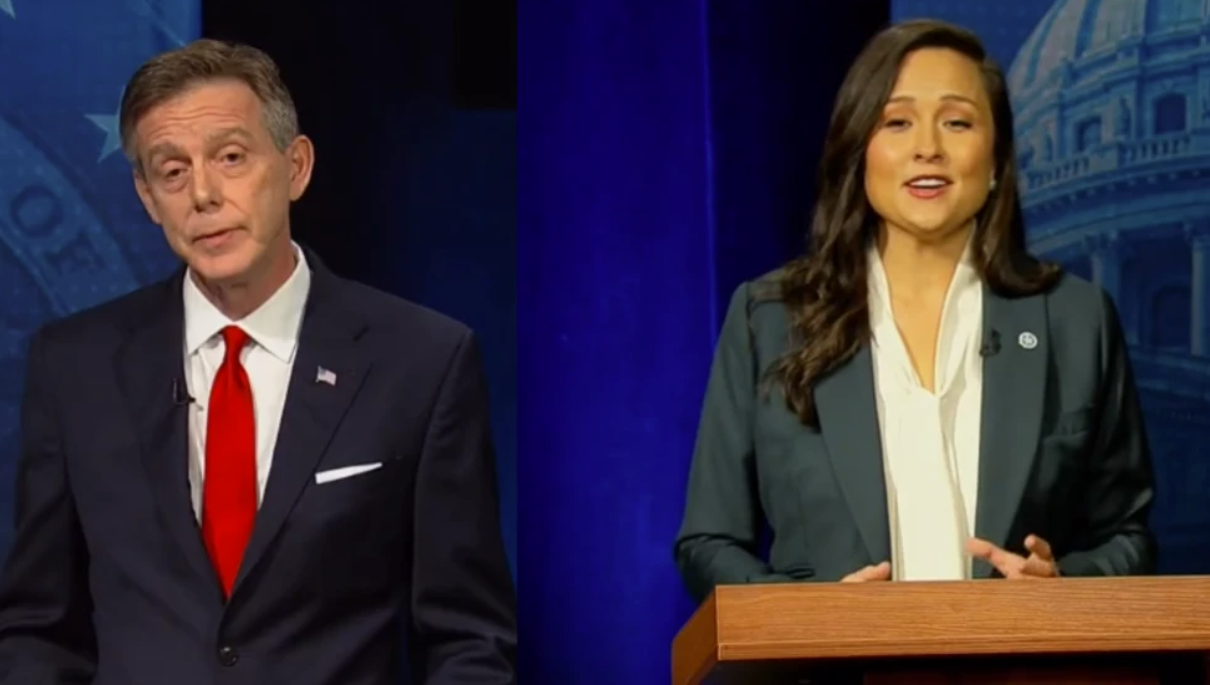
As profiled last week, 17 governor’s races feature a female major party nominee facing a man. Oklahoma offers a particularly stark choice, with Her Bold Move endorsing Cyndi Munson by lifting up that her opponent Mike Mazzei “would be our nation’s first sitting governor to openly endorse the criminalization of abortion patients.”
Although Mazzei has spent at least 11 million on his campaign, the Democratic Governors Association recently put $500,000 into the contest after polls showed a surprisingly close contest. Here’s coverage from News Channel 9 on the candidates views about abortion.
The issue of abortion access in Oklahoma has become front-of-mind in this race after the Center for Reproductive Rights filed a lawsuit challenging Oklahoma abortion laws on behalf of two women who were denied abortion care after receiving fatal fetal diagnoses in September.
* Oklahoma voters will elect a governor Nov. 3, with Republican Mike Mazzei, Democrat Cyndi Munson and three independent candidates on the ballot.
* Munson says she supports a state question to overturn Oklahoma’s abortion ban and protect abortion access in the state Constitution
* Mazzei says life begins at conception and that he opposes abortion in all circumstances….
Munson said that in 52% of Oklahoma’s counties, women do not have access to an OBGYN or maternity healthcare. Munson said that even though she lives in Oklahoma City and has insurance, it’s difficult for her to make appointments without a long wait. “That’s what this type of legislation, these laws, have done to women,” Munson said. “It’s made it more and more unsafe.”..
Mike Mazzei’s campaign website states: “Life begins at conception. Every human being has a right to life, and government has a duty to protect it. Mike opposes abortion in all circumstances. His record proves it, and as Governor, he will lead with that same conviction.”
Attorney General Elections Overview: Lopsided Balance for Democratic Women
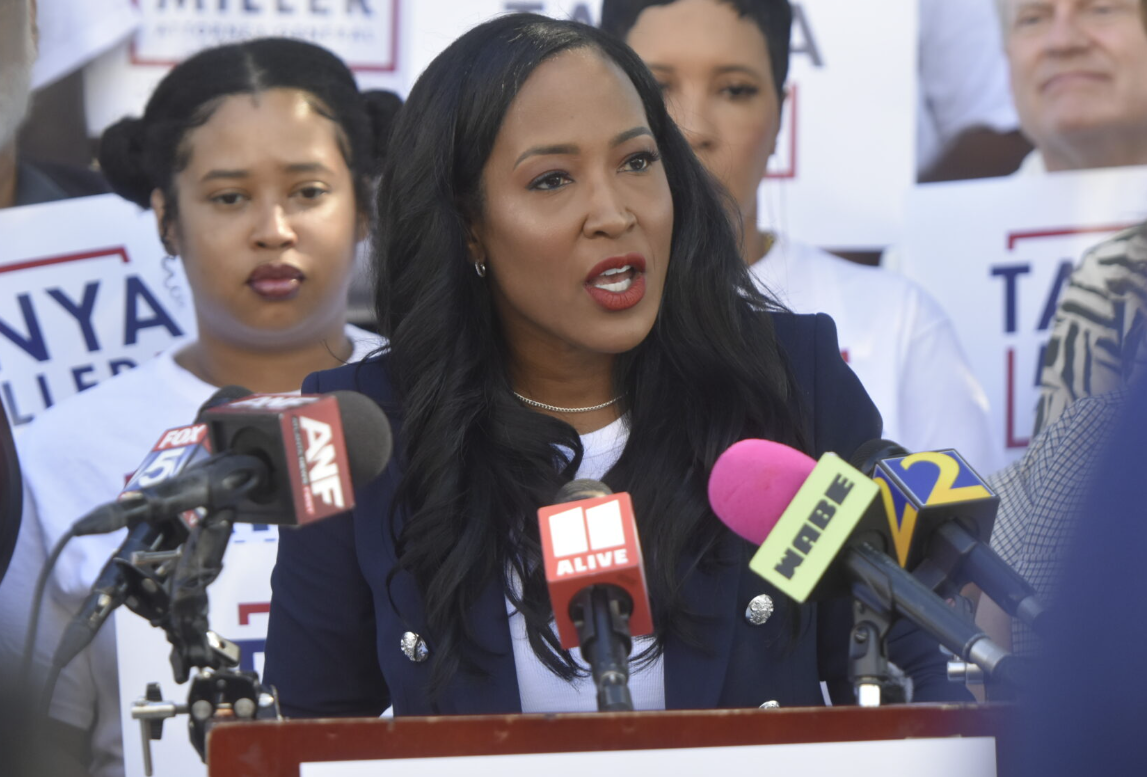
The office of attorney general is hugely consequential. Attorney generals are a state’s chief law enforcement officer and can be well-positioned to run for higher office. One of the year’s disturbing realities is how few Republican women have earned attorney general election nominations. This overview from the law firm Orrick underscores that reality. A few toplines:
* Voters in 30 states will decide attorney general races on November 3. Women make up 11 of 28 Democratic nominees and just three of 30 Republican nominees.
* Democrats have female nominees in eleven attorney general contests: two in tossup races in Georgia (Tanya Miller) and Nevada (Nicole Cannizzaro); seven where they are favored to win in Arizona (incumbent Kris Mayes), Colorado (Jena Griswold), Delaware (incumbent Kathy Jennings), Massachusetts (incumbent Andrea Campbell), New York (incumbent Tish James), Rhode (Island (incumbent Kimberly Ahern) and Vermont (incumbent Charity Clark); and two where they are underdogs in Idaho (Lori Hickman and Nebraska (Jocelyn Brasher). Two states not having AG elections this year have Democratic women serving as gubernatorial appointees: Anne Lopez in Hawaii and Jennifer Davenport in New Jersey.
* Republicans have only three female nominees: one favored to win in Alabama (Katherine Robertson), one in Iowa’s tossup race (incumbent Brenna Bird), and one in a longshot race in New York (Saritha Komatireddy). Four Republican women do serve as attorney generals in states not having elections this year: elected AG’s Liz Murrill (Louisiana) Lynn Fitch (Mississippi) and Catherine Hanaway (Missouri) and gubernatorial appointee Cori Mills (Alaska).
* Putting that all together, we’ll likely see between 14 and 17 women serving as AG next year.
I enjoyed Her Bold Move’s interview with Georgia AG candidate Tanya Miller. Here’s one of her answers:
Women make up the majority of the electorate in Georgia, and when we look at the policies that are hitting Georgians the hardest, some of the most impacted are women. We have one of the most extreme abortion bans in the country that was passed by the Republican legislature, signed into law by our Republican governor, and we have one of the highest maternal mortality rates in the country. Black women are being disproportionately impacted by that statistic, so women are literally dying trying to bring children into this world.
If you look at our infant mortality rate, it is also pretty abysmal for a state of this magnitude – a state with this level of affluence and success — and it is symptomatic of the manner in which women are not prioritized.
Appreciation for Christiane Amanpour as She Announces her CNN Departure
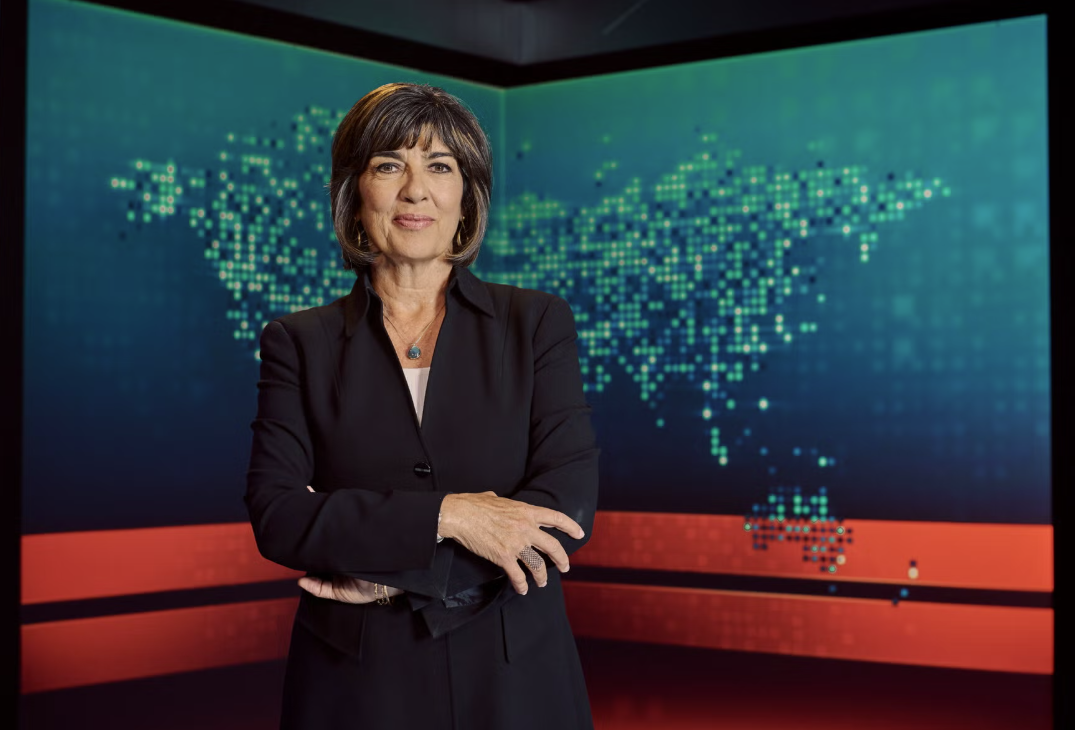
Women’s political leadership is connected closely with the prominence of women in other arenas. Christiane Amanpour’s 43 years at CNN has embodied the value of a woman displaying strength and intellect week after week in what long was a man’s world of foreign correspondents. Her departure unfortunately may relate to the politics of incoming leadership at CNN that already has caused turmoil at CBS - including just this week drawing controversy over edits to a 60 Minutes segment by Lesley Stahl, another long-time women news leader.
Regardless of what motivated her decision, I salute Christiane for her trailblazing role. Here’s more from The New York Times:
The decorated correspondent Christiane Amanpour, a pre-eminent voice on international affairs in television news, said on Monday that she would depart CNN next year, exiting the network she has called home since 1983.
Ms. Amanpour, 68, has most recently served as CNN’s chief international anchor, based in London. She rose to prominence for her on-the-ground reports beginning in 1990 from the Persian Gulf war, and she later broadcast from conflict zones around the world, including Bosnia, Rwanda and Afghanistan.
In a statement, she said she had made her decision “after many months of thought and a few sleepless nights.” Her show on CNN International, “Amanpour,” will be scaled back to once a week in January before concluding in June. Her PBS program, “Amanpour & Co.,” will also end…
CNN’s parent company was acquired this month by Skydance, the budding media conglomerate overseen by the tech scion David Ellison. In May, during an appearance in London, Ms. Amanpour said she was “concerned” about the coming acquisition, citing what she perceived as editorial changes at CBS News since Mr. Ellison took over that news division in 2025.
“I mean, do I have to list what’s happening there?” she said at the time, describing an “ideological realignment of CBS and the destruction, potentially, of ‘60 Minutes,’” a program to which she once contributed.
P.S. In case you missed it, RepresentWomen is on Substack! I encourage you to check out our most recent post by RepresentWomen Researcher Tori Wyman on her experiences earlier this month as an election observer in Bosnia and Herzegovina. You can read it here.
If you’re looking for ways to keep up with the midterm elections, the Women’s Power Collaborative hosted a Lunch & Learn yesterday featuring leaders from the League of Women Voters in Minnesota, Virginia, Washington, and Pennsylvania. I invite you to listen to the conversation here.