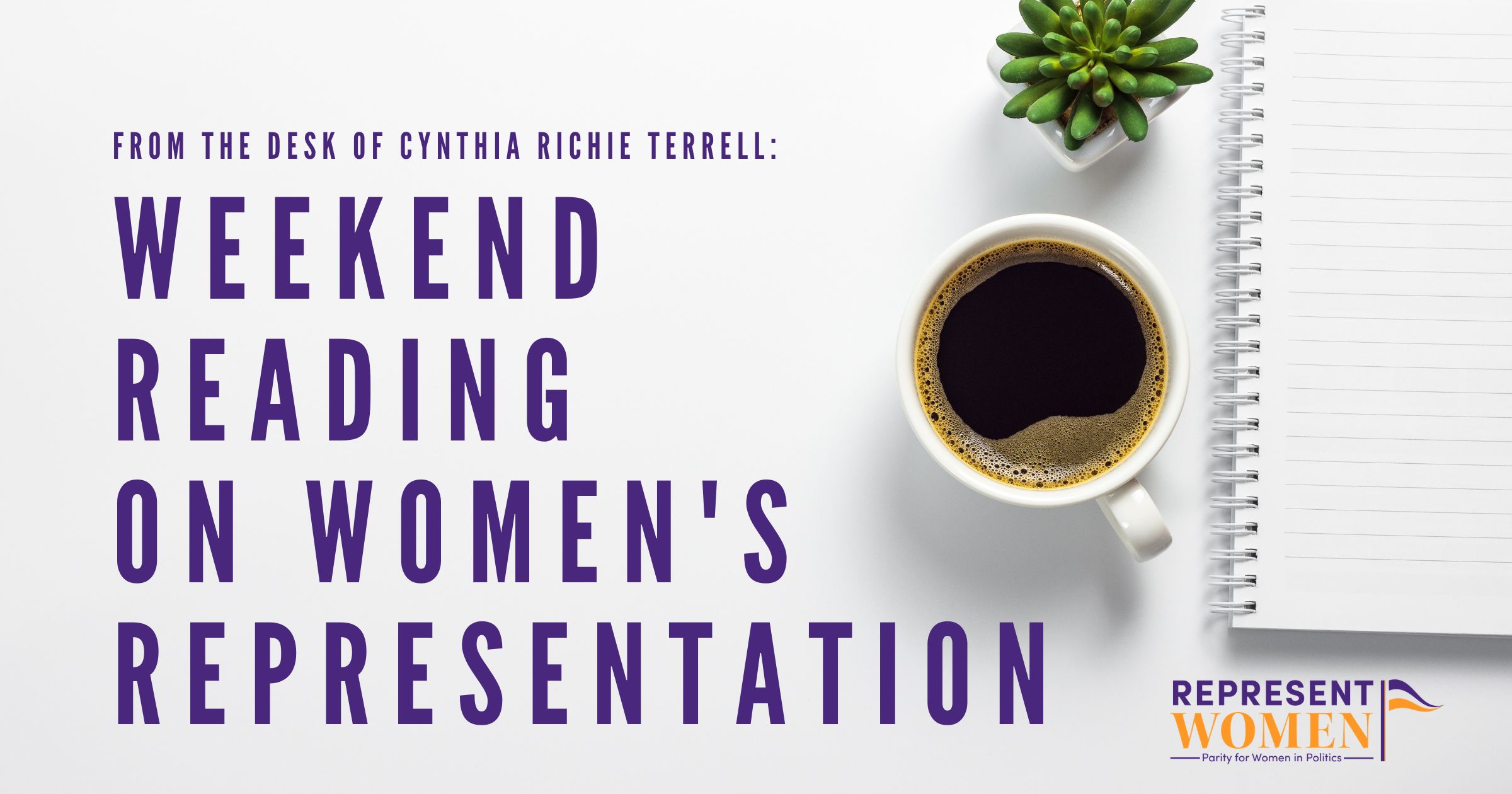
It has been a terrific week for RepresentWomen connecting with partners and top academics across the country to discuss the importance of women’s representation. First, I want to highlight RepresentWomen’s Researcher Jacqueline Crespo’s recent presentation at the Problems of Democracy and Possible Solutions Workshop! Connecting with academics and practitioners, RepresentWomen strives to ensure that women’s representation remains at the forefront of conversations on how our democracy can work better for everyone.
Jacqueline’s presentation, “A proposed Solution to the Winner-Take-All System” exposes a cycle that keeps incumbents in office and leaves little room for women and candidates of color. Over the last four years, just three women won their House races against incumbents and only one of those women was a woman of color. Electoral reform—like ranked choice voting and the use of multi-member districts— offers a promising solution. We are pleased to have found a community with academics over the weekend who believe that women’s representation is a top-of-the-line issue; here’s to putting our heads together in understanding how we can ensure women have a more accessible seat at the table.
Birthday: Vi Alexander Lyles, Mayor of Charlotte, NC; Madeleine M. Kunin, former Governor of VT; Poppy McDonald; Katharine Pichardo-Erskine; Kate Persson, Assistant Director of Custom International Programs at the University of Northern Colorado; Susan Bysiewicz, Lt. Governor of CT; Dinah Stephens; Tina Kotek, Governor of OR; Anne Henrietta Martin, 1st woman to run for U.S. Senate (1875); Susannah North Martin, Cynthia’s ancestor who was hanged for witchcraft (1621-1692); Danica Roem, 1st openly transgender person to hold elected office in the U.S.; Caroline Harrison, former First Lady; Sharon Weston Broom, Mayor of Baton Rouge, LA; Alana Persson, Communications Lead at RepresentWomen; Jena Griswold, Secretary of State CO; Erica Nicholson Gentry; Amy Zucchero Litman, iGNiTE; Karen Bass, Mayor of Los Angeles and former U.S. Rep.; Bernice Johnson Reagon, American musician and historian First Lady; Susan Sarandon, actress.

Milestone: Stacy Allison became the 1st American woman to reach the summit of Mt. Everest.
Breakthrough in Morocco: 1st Women Prime Minister
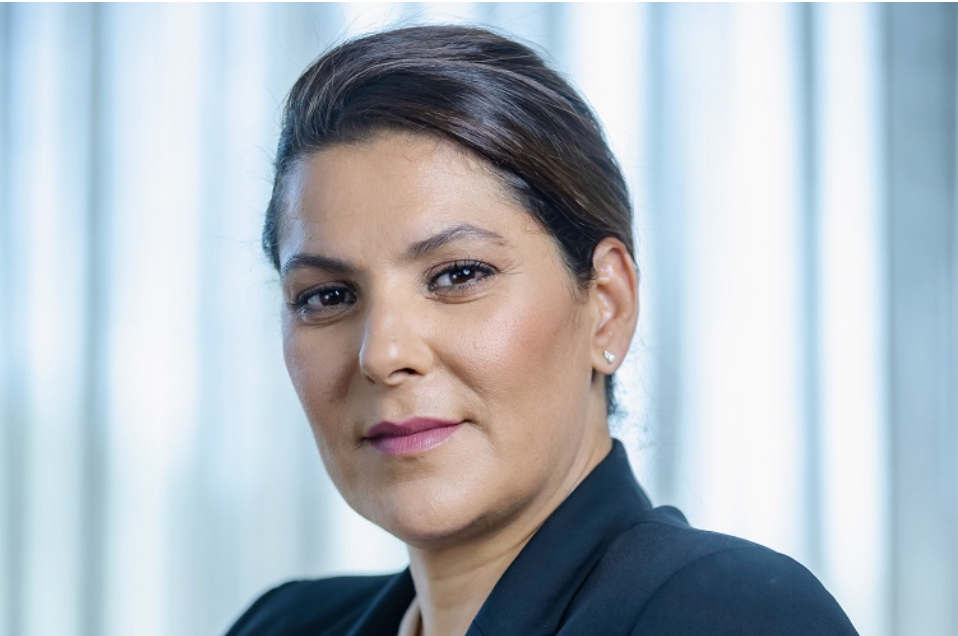
Morocco is far from a fully realized democracy, but this week’s news that the nation’s king has appointed Fatima Ezzahra El Mansouri as Morocco’s first woman prime minister is a breakthrough — not only for Morocco, but for the Arab world. The New York Times reports:
In her first briefing to reporters after being named as prime minister, Ms. El Mansouri referred to her selection as “historic,” and framed it as a win for all women in Morocco. “This isn’t just pride for me but pride for all women,” she said. “This is a message to all women in the kingdom.”...
Morocco is a constitutional monarchy, and the king appoints a prime minister from the party that wins the most seats in legislative elections. The Authenticity and Modernity Party, founded by a childhood friend and close adviser to the king, won 97 of 395 seats last week, far short of a majority.
Ms. El Mansouri, who is the mayor of Marrakesh and Morocco’s minister of urban planning and housing, will need to form a governing coalition with other leading parties, which she pledged to do promptly…
The selection of a woman to lead the government highlights the progress on gender rights in Morocco under legal reforms made by the king, who has reigned for 27 years. But while revisions to the Moroccan family code have granted women increased rights, they remain vulnerable, some analysts say.
Ms. El Mansouri’s appointment fits a narrative the state has promoted of Morocco as a modernizing Muslim country that recognizes women’s advancement.
But visible women in prominent government roles have advanced faster than the status of most women in a kingdom where reform has usually been driven, and settled, by the palace. Ms. El Mansouri’s experience as a member of an established family does not necessarily reflect the reality of many women in Morocco.
“From the perspective of the regime, having a woman prime minister is hugely consequential,” said Intissar Fakir, a senior fellow at the Middle East Institute in Washington, who researches the politics of North Africa and the Sahel.
Ms. El Mansouri is only the third female prime minister in North Africa and the Arab world, following Najla Bouden Romdhan, selected in 2021 and Sara Zaafarani, selected in 2025, both of Tunisia. “It’s going to resonate internationally,” Ms. Fakir said.
British Leader Andy Burnham Commits to Moving to Proportional Representation
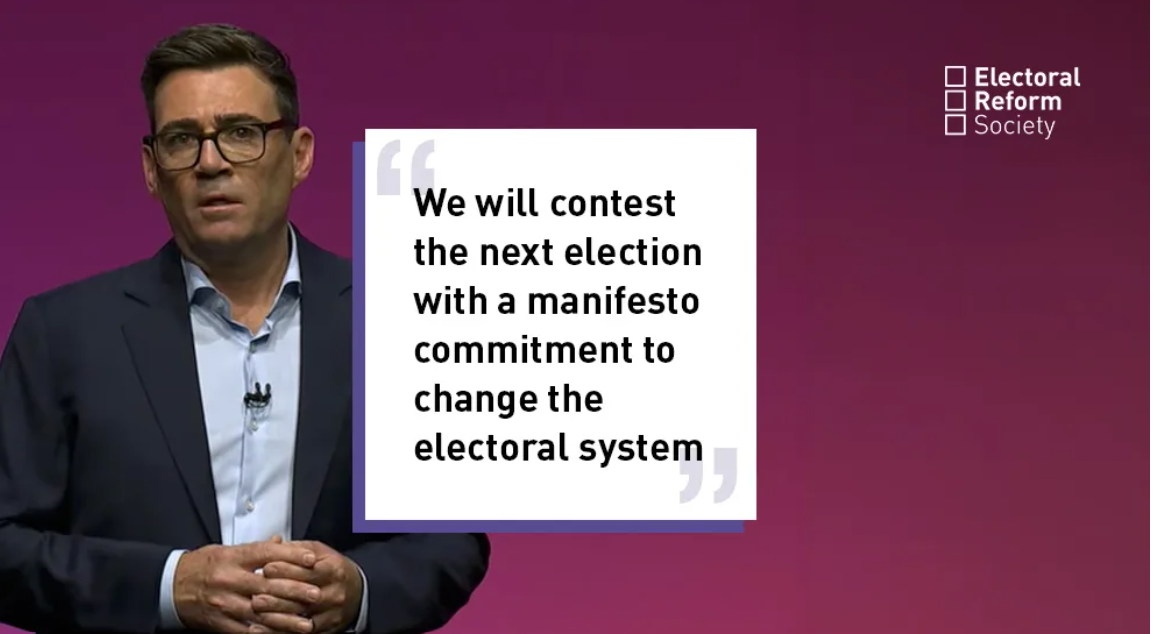
The United States declared its independence from Great Britain 250 years ago, but it has largely stuck with Britain’s antiquated electoral system of plurality voting in winner-take-all, single-member districts. RepresentWomen’s data on women in office around the world shows that moving to systems of proportional representation levels up the playing field for women candidates — especially when those systems are paired with gender quotas.
But even as the conversation about proportional representation intensifies in the United States, the United Kingdom may get there first. U.K. Prime Minister Andy Burnham, this week at his Labour Party’s national conference, committed to include proportional representation in the party’s manifesto for its next election.
Here’s more from our friends at the British Electoral Reform Society:
Today, in his first conference speech as Prime Minister, Andy Burnham committed his party to changing the way we elect MPs. It is hard to overstate how significant that is. Speaking in Liverpool, he told the hall: “We will contest the next election with a manifesto commitment to change the electoral system, so that everyone’s vote counts and everyone’s voice is heard.”
He went further, announcing a new National Commission on Electoral Reform and inviting all the political parties to be part of its work. For a prime minister to make that commitment from the conference stage is a remarkable moment. It is also an acknowledgement of reality. Labour won 63% of MPs on just 34% of the vote in 2024, yet that huge majority did not deliver stability. We are now on our seventh prime minister in ten years – a fact the Prime Minister himself referenced.
The Prime Minister’s pledge for a new commission to look at electoral reform is an important step in the right direction. This needs to be an independent and trusted process that focuses on making sure Parliament properly reflects the way the country voted…
Supporters of the status quo, and there are some in every party, will be hoping this commitment quietly fades once the conference lights go down. Commissions can be kicked into the long grass. Manifesto pledges can be watered down. The Commission needs to be an independent look at what should replace First Past the Post, bringing together experts and the public to build consensus.
Last year, Andy Burnham told a rally at this same conference that “PR’s time has come”. Today he took a big step towards proving it. The job for all of us now is to make sure he finishes it.
The 19th: The U.S. House Races to Watch in 2026
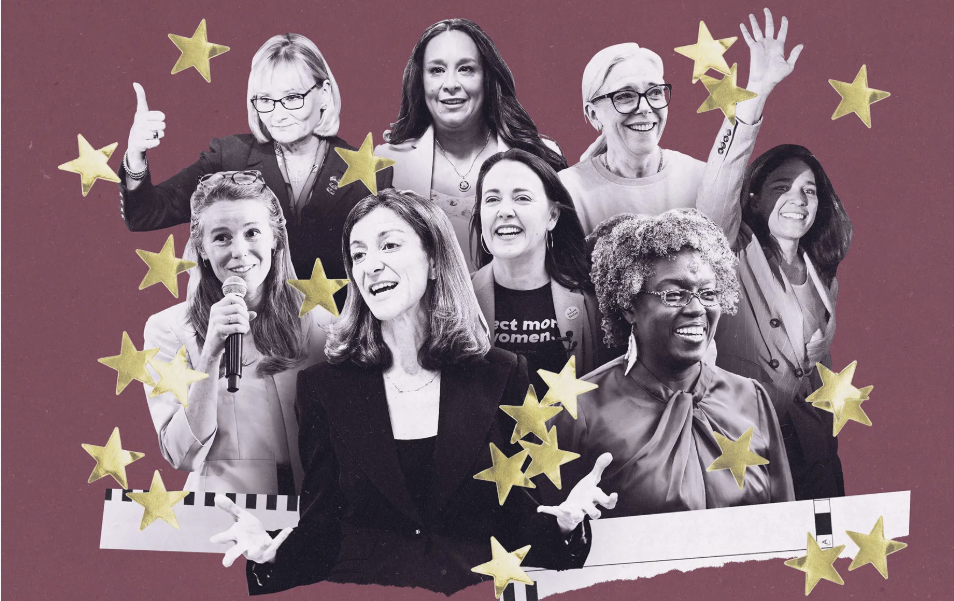
The 19th provides a valuable, comprehensive overview of this year’s U.S. House elections, featuring 28 competitive congressional elections involving women. With links to district profiles in states included, here’s an excerpt:
Democrats are trying to flip the U.S. House, currently narrowly controlled by Republicans, in November. And while all 435 House seats are up for election in 2026, only a handful of competitive races will determine which party will control the chamber come January…
A record number of women are running for the U.S. House, according to the Center for American Women and Politics, with one group aiming to achieve the milestone of 100 Democratic women serving in the chamber and some women candidates who would mark historic firsts. Here are some of the top House races we’re watching:
Arizona | California | Florida | Georgia | Iowa | Michigan | Nebraska | New Jersey | Nevada | New York | North Carolina | Ohio | Pennsylvania | Texas | Virginia | Washington | Wisconsin
The New York Times: Will Alexandria Ocasio-Cortez Run for President?
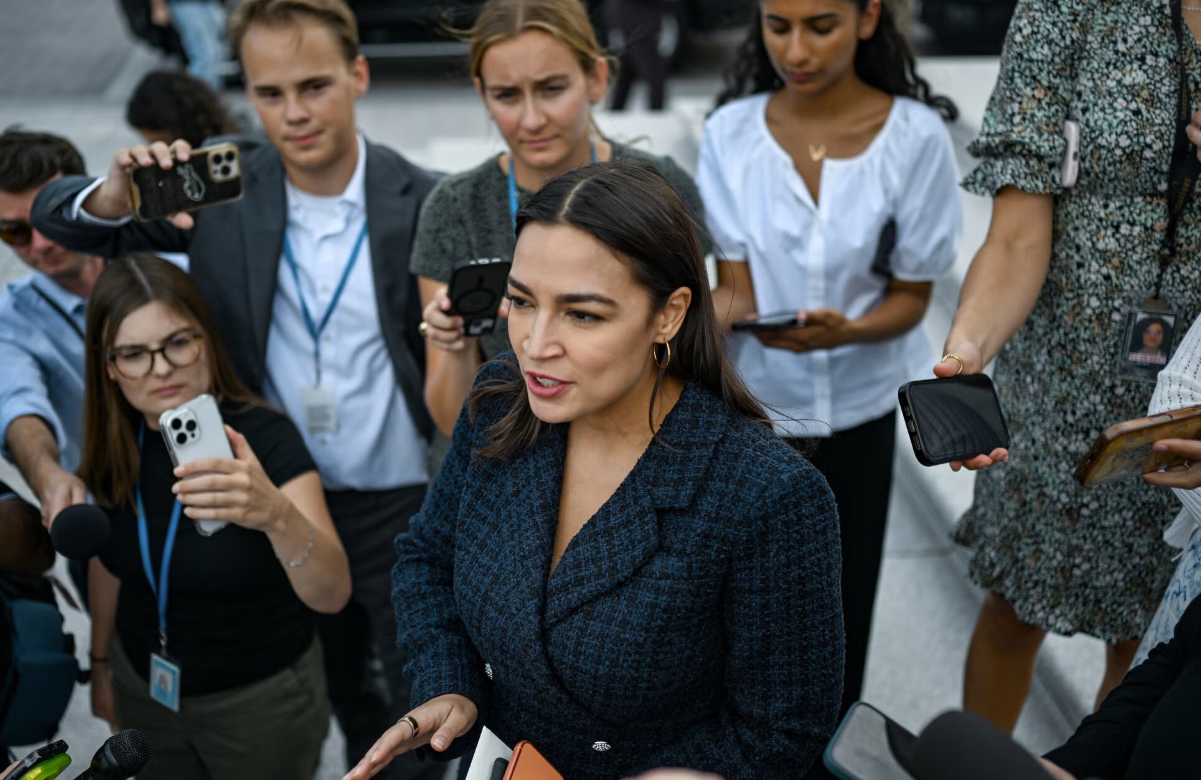
The New York Times ran an in-depth profile of Alexandria Ocasio-Cortez and whether she will run for president. Many Americans have wrongly interpreted recent presidential elections as a rejection of women as strong candidates; Pew Charitable Trust reports that 37% of Americans now believe a woman will not be elected president in their lifetime. I urge women like AOC to seriously consider a presidential bid in 2028. Here’s more from The Times:
In an interview with The New York Times, Ms. Ocasio-Cortez revealed the electoral equations she is crunching and the mental “math” she is calculating as she approaches the biggest crossroads of her political career. Her gender. Her ethnicity. Her electability. Her eggs. Her movement. Her moment.
“There’s an argument that some make that this is a very unique political window and, oftentimes in politics, you do only get one shot,” she said. “And you don’t — and just in life in general — life doesn’t wait for you to be ready for things. Sometimes life just makes things ready for you.”
Ms. Ocasio-Cortez, 36, the youngest woman ever elected to Congress, is now in her eighth year representing parts of the Bronx and Queens. She could simply keep winning re-election. But in 2028, she has two other choices: run for the White House, or seek the seat now held by Senator Chuck Schumer of New York…
Ms. Ocasio-Cortez weighed aloud the pros and cons of running for president with unusual candor, sounding less strategic than searching, as if the right answer were somewhere nearby. At times, she played the part of political pundit handicapping her own potential presidential candidacy from afar. At others, she voiced the unvarnished concerns of a woman who just opened up on Instagram (“Bloat check!”) about fertility treatments preparing for a possible future pregnancy.
“I think about it personally,” she said of a White House run. “I am 36, I’m about to turn 37 years old — and what that means for my life.
“Pretty candidly, I think about my identity,” Ms. Ocasio-Cortez went on. “I’m not naïve to the fact that we are living under a very regressive administration, and I happen to be a woman, and I, you know, happen to be Latina. And I think that there’s a lot of conversation about electability, and I don’t kind of shy away from those realities.”
Los Angeles Mayoral Runoff Features Two Women
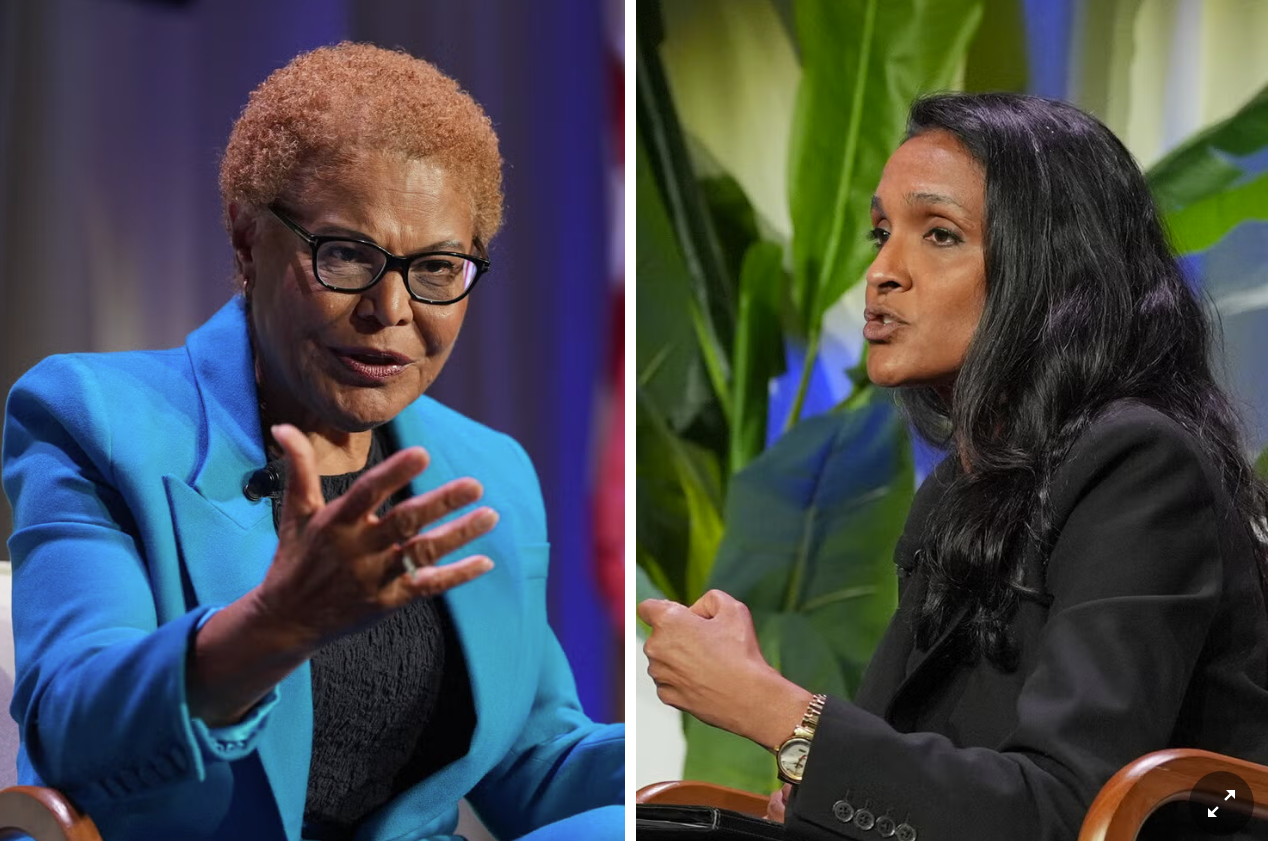
In 2022, former Congresswoman Karen Bass was elected as Los Angeles’ first woman mayor. In a sign of progress for women’s leadership, this year’s runoff features Bass and challenger Nithya Raman, ensuring that the City will continue to be led by a woman. The New York Times profiled the race this week:
Mayor Karen Bass of Los Angeles and her onetime ally, Nithya Raman, vied hopefully for a trove of undecided voters on Tuesday as the rival Democrats entered the homestretch in a fierce generational contest for the city’s top political job.
With ballots set to be mailed Oct. 1, the appearances in a candidate forum by Ms. Bass and Ms. Raman were their first in a major venue since last week, when a Berkeley IGS/Los Angeles Times poll showed Ms. Raman, 45, significantly ahead of the 72-year-old incumbent…
Ms. Raman, a city councilwoman, endorsed the mayor less than two weeks before jumping into the race in February after it appeared that Ms. Bass might have no serious opposition. A working mother of two with degrees from the Massachusetts Institute of Technology and Harvard, she has presented herself as an alternative who features all of the mayor’s progressive views and less political baggage. She is known nationally mainly for her support among the Democratic Socialists of America.
Charging that the city is “broken,” Ms. Raman has focused on affordability issues such as soaring rents and crippling home prices, and on bread-and-butter concerns such as streetlights and potholes.
Many State Ballot Measures on November Ballot Affect Women
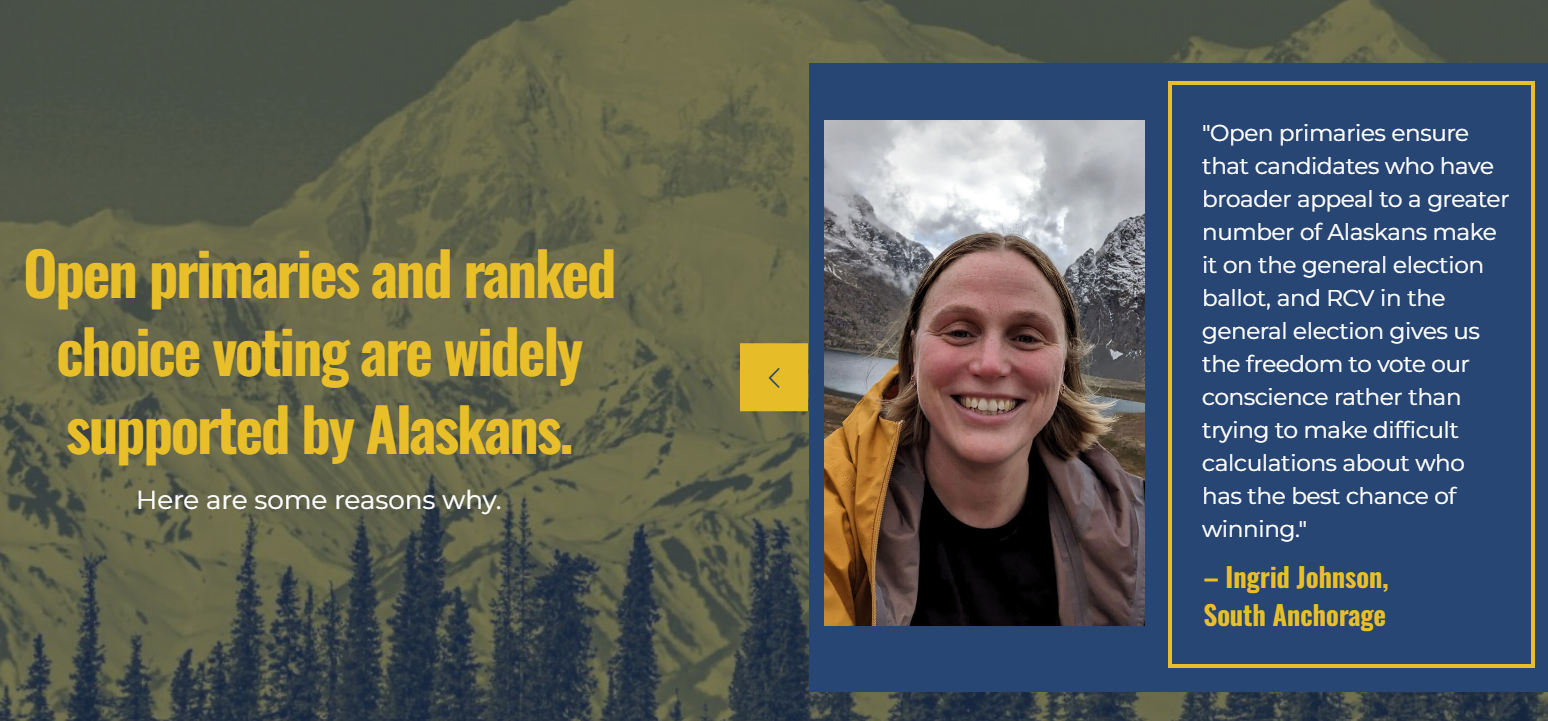
Lou Jacobson in the Crystal Ball provides a terrific rundown of ballot measures on statewide ballots this November, many of which affect women directly or indirectly — from measures on reproductive freedom to whether Alaska will sustain its trailblazing electoral system that has come with big gains for women candidates. Here’s an excerpt:
Once again this year, voters in most states will face at least one question—and in many cases, multiple questions—on their November ballot. Overall, 39 states will present their voters with ballot measures, a mix of proposals that have made their way to the ballot either by being placed by legislators or by citizens following signature-gathering efforts. The total number of ballot measures is broadly in line with recent patterns, according to Ballotpedia.
The top ballot measure issues this year will include elections and redistricting, along with taxes and transgender policy. Some of the election measures flow from President Donald Trump’s accusations of rigged voting, which have been widely debunked. For instance, six states will vote on whether to ban noncitizens from voting—a symbolic action, because noncitizens are already banned from voting for federal office. Six states will also vote on tightening voter identification requirements.
Alaska will vote—again—on whether to keep its top-four, ranked choice voting system, while Massachusetts voters will consider whether to enact a top-two, “jungle” primary format. Massachusetts will also consider implementing same-day voter registration. Meanwhile, Missouri and Maryland will hold votes in November that could guide redistricting for the 2028 election cycle.
Ranked Choice Voting in Action in San Francisco: Cross-Endorsement
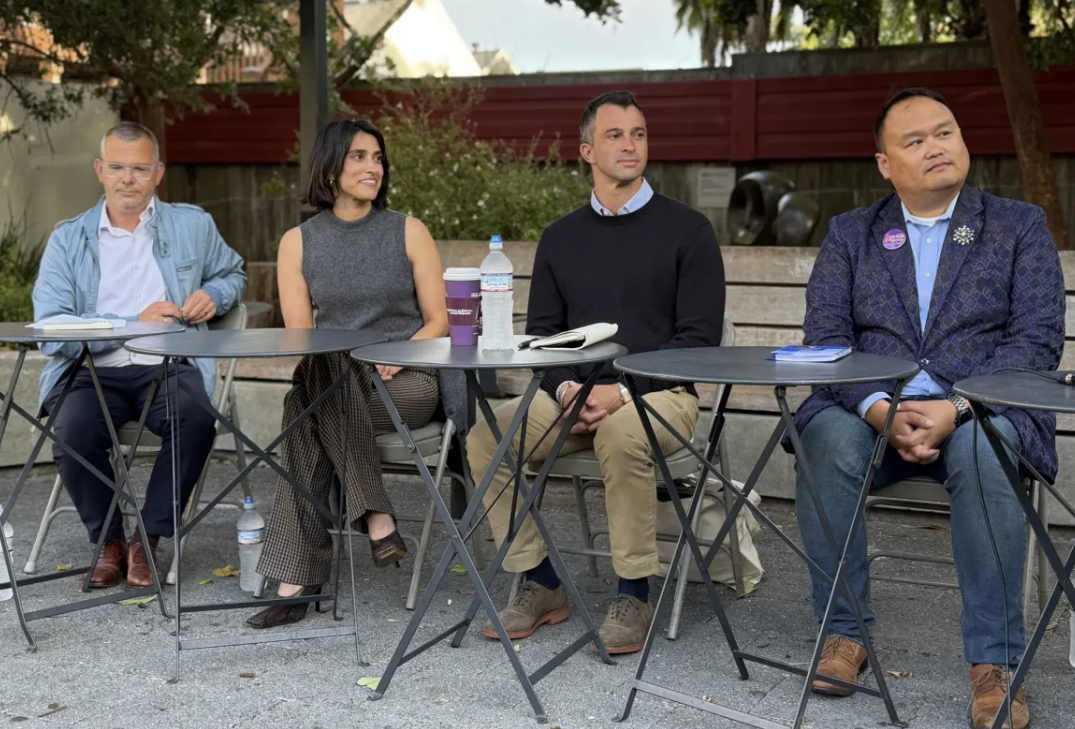
As reported by FairVote, 14 states and localities will hold ranked choice voting (RCV) elections, including my home town of Takoma Park (MD) — with women holding more than half of seats in local elections with RCV. San Francisco is now in its third decade of RCV elections, and it’s always good to see candidates embracing the incentives of the system. Here’s a Mission Local story about two candidates in the District 8 Board of Supervisors race doing a cross-endorsement, potentially boosting women candidates Darshini Patel:
Gary McCoy and Darshini Patel, two candidates for District 8 supervisor, are encouraging their supporters to rank the other candidate second on their ballots. The move could help propel them past their opponents, Manny Yekutiel and Michael Nguyen.
Under San Francisco’s ranked-choice voting system, the candidate with the lowest number of votes is eliminated, and their votes are redistributed to the candidate ranked next on each ballot. This process repeats until a candidate has over 50 percent of the vote.
An alliance between McCoy and Patel means a high share of the votes for whomever of the two is knocked out first may go to the other, potentially helping that candidate triumph…
Patel, a former tech worker and presidential campaign staffer, is considered a long shot. But, she has cultivated some grassroots support and is running a canvassing operation to spread her message. Patel recently received a boost on that front, earning the endorsement of the SF Solidarity Club, a new political club with dozens of members that plan to mobilize on her behalf. Her background in tech may also help her bring in more moderate voters who may have otherwise ranked Yekutiel second.
P.S. — Our Communications Fellow Livia Follet attended the launch for Gloria Steinem’s memoir, An Unexpected Life. Even in her death, her writing, prolific and brilliant, offers us all an opportunity to learn from the past so that we might move forward towards a brighter democracy.


.png)
.png)