
Tomorrow marks 115 years since the men of California went to the polls to decide whether the women they lived alongside would be permitted to join them there. Suffragists and anti-suffragists agreed on almost nothing that autumn, yet on the last day of the campaign both sides were predicting victory with equal confidence. No one knew how it would end, and the women who had given months of their lives to the question could not cast a single ballot to settle it.
They had been here before. In 1896, the same question went before California’s voters and failed, and it took fifteen years of organizing simply to earn a second chance at it. When the first returns came in from San Francisco on the night of October 10th, it looked as though they had lost again, and some of the women gathered at headquarters were already talking about beginning the next campaign in the morning. The counting stretched on for the better part of two days. When the result was finally clear, the margin was just 3,587 votes out of nearly a quarter of a million cast, which works out to be roughly one vote in every precinct in the state. California became the sixth state to enfranchise women, and in a single election the number of women voters in the United States nearly doubled.
I keep thinking about the one vote per precinct data point. It is a humbling measure of how close we came to a different history, and a reminder that every conversation on every doorstep was part of the outcome. And what moves me even more if the nature of what was won. No woman in California woke up on October 12th more capable, more informed, or more deserving than she had been the week before. What changed was a rule, and with it, who was allowed to take part in deciding everything that came after.
It was a historic milestone for women, but it also was an incomplete change, as these changes so often are. Many Asian American and Native American women in California would wait decades longer for the ballot, shut out by citizenship laws that the 1911 left untouched. Holding that truth alongside the celebration is part of honoring the anniversary honestly.
And so, 115 years on, I find myself thinking less about how far we have come than about how much remains to be designed. Women now turn out to vote in greater numbers than men, and have for decades, yet we hold little more than a quarter of seats in Congress, about a third of the seats in our state legislatures, and have never held the presidency. The distance between women’s presence in the electorate and our presence in the rooms where decisions are made is not a reflection of ambition or ability. It is the predictable result of first-past-the-post elections, single winner districts, the advantages of incumbency, all of the rules that were written long before women had any say in them.
The suffragists of 1911 understood that structural change is patient, unglamorous, and entirely possible. They asked, they were refused, and they spent fifteen years preparing to ask again. With our elections less than four weeks away, I am grateful to be doing this work in honor of the suffragists who came, so that we can continue to build a democracy that is finally representative by design.
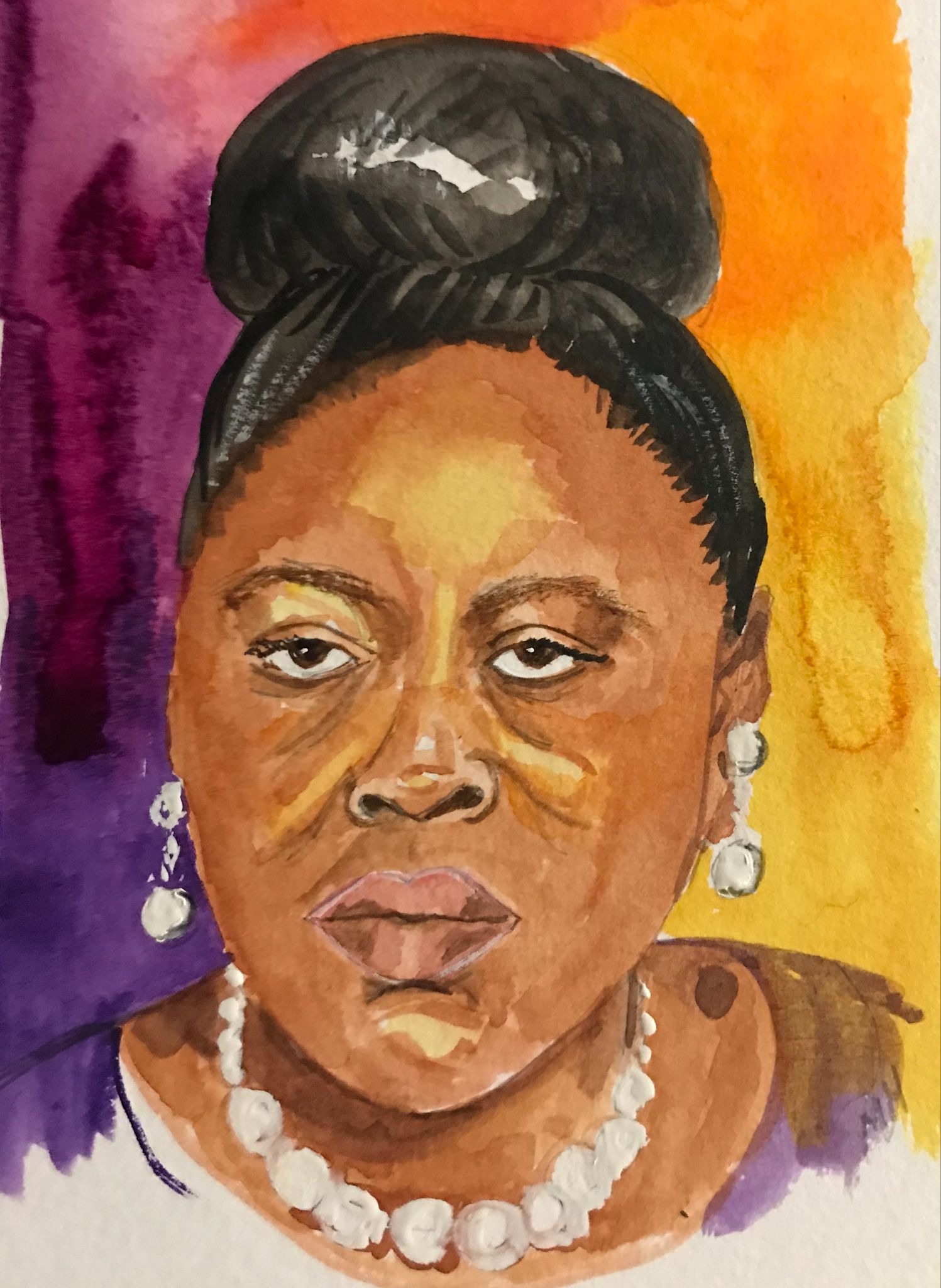
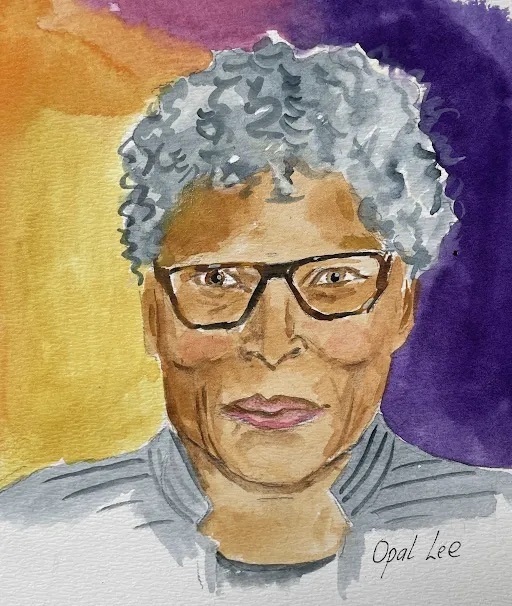
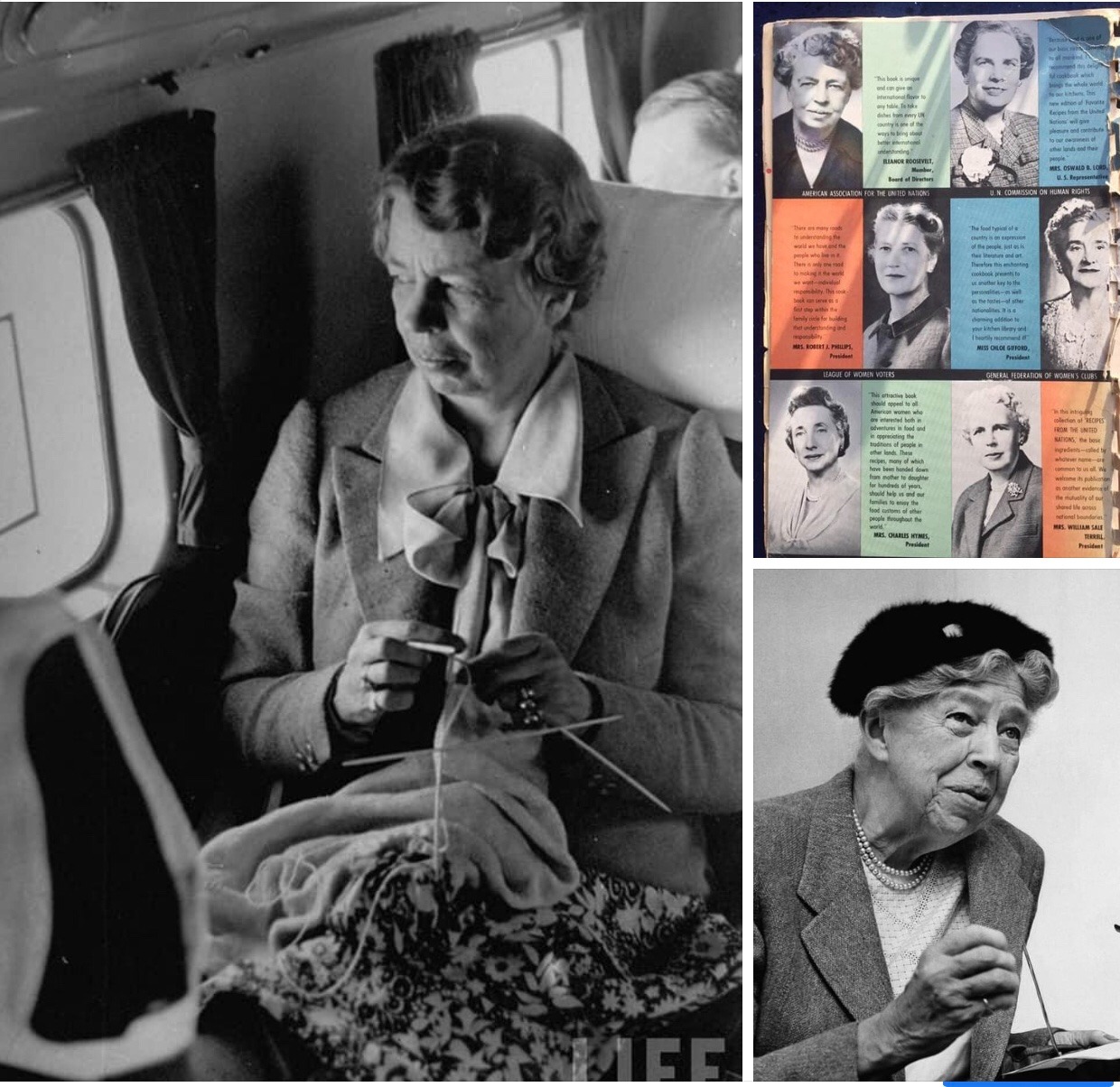
Birthdays: Maya Lin, architect of the Vietnam War Memorial, Fannie Lou Hamer, voting & women's rights advocate; Julie Menin, NYC Councilwoman; my daughter Becca Richie, middle school teacher at The Arthur Morgan School; Mel Robbins, author and podcast host, Leda Black, The Female Power Project; Kathyrn Clarenbach, founding member of the National Organization for Women; Katrina vanden Heuvel, publisher of The Nation; Erica Payne, chief strategist of Patriotic Millionaires; Faith Ringgold, artist; Sue Wellford, Susannah Wellford’s mother; Gail Ober, journalist; Mary Engle Pennington, pioneer In food safety; Mary Ann Shadd Cary, suffragist, abolitionist, writer, and first African American woman to publish a newspaper, Eleanor Roosevelt, former First Lady & diplomat; Gwendolyn VanSant, Change Maker Strategies; Opal Lee, activist and educator.
Milestones: The Women’s March on Versailles begins In Paris (1789); The Daughters of the American Revolution (DAR) held its first official meeting (1890); Vera C. Bushfield, became the 1st female Senator from South Dakota; California passed a law granting women's suffrage (1911); Dr. Kathryn D. Sullivan is the first U.S. woman astronaut to “walk” in space during Challenger flight (1984); The New York Times publishes an exposé on Harvey Weinstein, igniting the global #MeToo movement against sexual harassment (2017); The first #GiveToWomenAndGirlsDay was launched to boost funding for women’s organizations (2022).
Shocking Story about Rape of Arizona Congressional Candidate
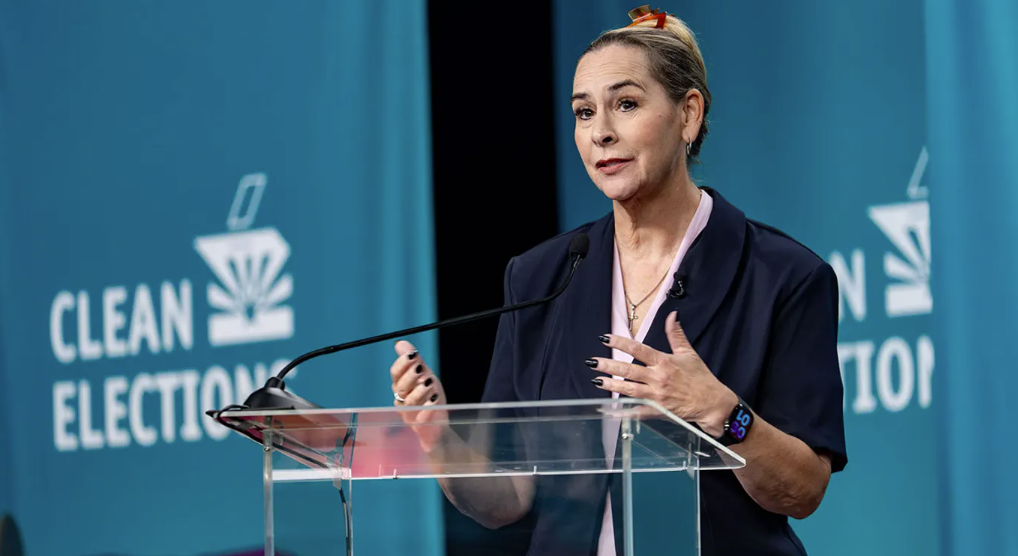
It’s deeply disturbing to follow the unfolding drama of the woman who was allegedly gang raped by seven members of the Chi Phi fraternity house at Cornell. While it’s encouraging to see the extensive coverage and outrage, it is deeply disturbing to know that sexual violence remains a fact of life for so many of us — including me.
Now comes a story that would be unbelievable outside of this context: Bernadette Greene-Placentia, the Democratic nominee in Arizona’s eighth Congressional District with a real chance to upset her opponent, was reportedly raped while fixing one of her yard signs. Here’s more from The Guardian:
A congressional candidate in Arizona says she was attacked and raped in August while trying to repair one of her damaged campaign signs. Bernadette Greene-Placentia, a trucker and small-business owner, shared her account with the Phoenix New Times, a local publication. The assault took place on 14 August, according to the campaign.
The Democratic candidate, running in a district that includes parts of Phoenix, told the newspaper that she was walking across a parking lot just after 2am to fix a campaign sign when an attacker smashed her over the head, causing her to black out.
Greene-Placentia told the newspaper that she awoke to find a man on top of her and discovered he was raping her. She recalled another man coming over and pushing her leg, at which point she said she swung her foot at him. The man said, “Not even worth it”, and the two attackers left, leaving her face down in the parking lot, she recalled…
Greene-Placentia told her campaign staff and husband about the assault days after it happened and reported it to the Maricopa county sheriff’s office two weeks later, according to the Phoenix New Times. The newspaper interviewed Greene-Placentia’s relatives, friends, campaign staff and landlord about the aftermath of the assault.
“Speaking publicly about what happened has been incredibly difficult for Bernadette,” a campaign spokesperson told the Guardian on Wednesday after the Phoenix New Times story was published. “She chose to share her story because she knows many survivors struggle in silence, and she hopes that by speaking about her experience, others will know they are not alone.”
The spokesperson added: “She hopes the focus remains on supporting survivors and making sure people who have experienced sexual violence know they are seen, heard and supported.”
“I need to let women know that it’s OK to talk about it,” Greene-Placentia told the newspaper.
New York Times on Democratic Women Surging Past 100 in the House
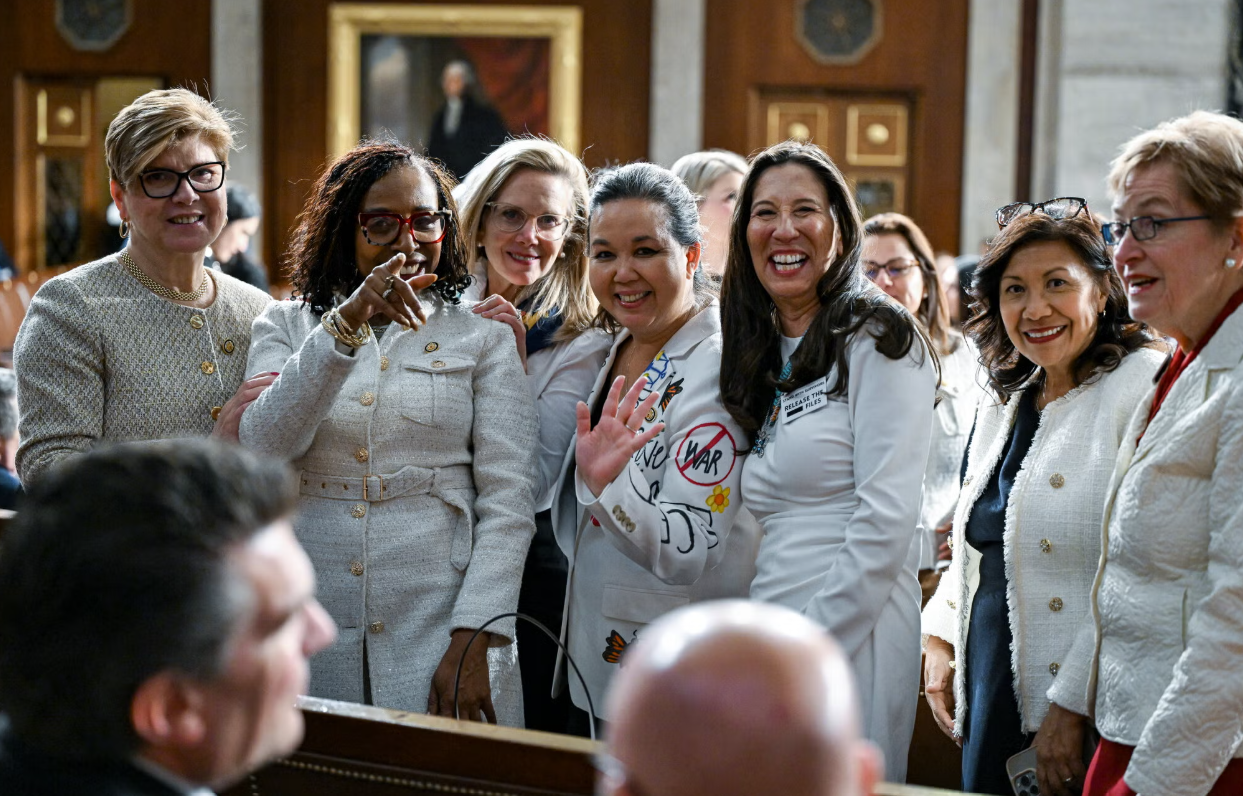
The New York Times’ Annie Karni writes an important story this week on how Democrats are certain to surge by 100 Members in the U.S. House – and could go past 110 if the November elections break their way. There are several important elements in the story that I’ll quote here after my own headlines.
Women approaching parity in the U.S. House Democratic caucus:
With female candidates competing in many key districts that will determine the House majority, and polls showing the party gaining ground in those contests, Democrats are projecting they could have as many as 113 women in their ranks next year.
“I’m incredibly confident that we will pass that 100 mark,” Representative Teresa Leger Fernández of New Mexico, chairwoman of the Democratic Women’s Caucus, said in an interview. “The real issue is how far above it do we go.”
The peak projection of 113 could only be reached if Democrats won every competitive race, including a few that more strongly favor Republicans, a highly unlikely scenario even in the best of years. But even reaching 100 would be a high-water mark that was unthinkable just a generation ago. When Emily’s List, the largest funder of female Democratic candidates who support abortion rights, was founded in 1985, less than 5 percent of the House Democratic Caucus were women. Now, it is approaching 50 percent.
Women in Congress add key perspectives and priorities:
Should Democrats win the majority, Ms. Leger said she expected women to be the driving force next year on an agenda focused on child care and elder care. In her state of New Mexico, she said, “we have a majority-women legislature with a woman governor and we have universal child care; I want to see that kind of progress.”
Kelly Dittmar, a professor of political science at Rutgers University, said that representation mattered also “for perceptions of legitimacy.” A growing number of women serving in legislatures not only changes policy but “changes the institutions themselves,” she said…
Ms. Leger said having more women in Congress would also be more effective than any policy change in addressing the culture of sexual harassment on Capitol Hill. “When you have close to 50 percent of the Democratic caucus understanding what is it like to be on the other end of sexual assault, sexual mistreatment, sexual harassment, the conversation changes,” she said..
We still must adapt our institutions to women’s leadership:
Representative Emilia Sykes, Democrat of Ohio, said there were still small daily reminders that she served in an institution that was not designed with her in mind, even as the number of women climbed.
“The size of the chairs is a problem,” Ms. Sykes said. “I’m not a big person; sitting in the chairs that are very large, my feet dangle.”
She said she sometimes receives letters addressed to “the congressman,” which boggles her mind. “I think, ‘OK, you’re coming to advocate for millions of dollars and significant policy changes, and you have the lack of research to know the member isn’t a man,’” she said.
Republican women face challenges:
Republicans have far less gender diversity in their ranks in the House, where there are currently 32 G.O.P. women (including two nonvoting delegates) — around 15 percent of their members — and are at risk of those levels dropping further. To maintain the party’s number of female House members, it’s likely that six vulnerable G.O.P. women would have to succeed in fending off their challengers next month. The G.O.P. is also losing much of its racial diversity in the House: All four Black Republicans serving there are leaving Congress next year.
The lack of diversity in their ranks is an issue that some Republican strategists are aware needs a fix. “Regardless of the outcome next month, Republicans need to recommit to building a conference that reflects our voters,” Parker Poling, a Republican strategist, wrote on social media, adding, “We should recognize the importance of different perspectives to a majority.”
Republican State Leadership Committee Highlights 67 Women Candidates
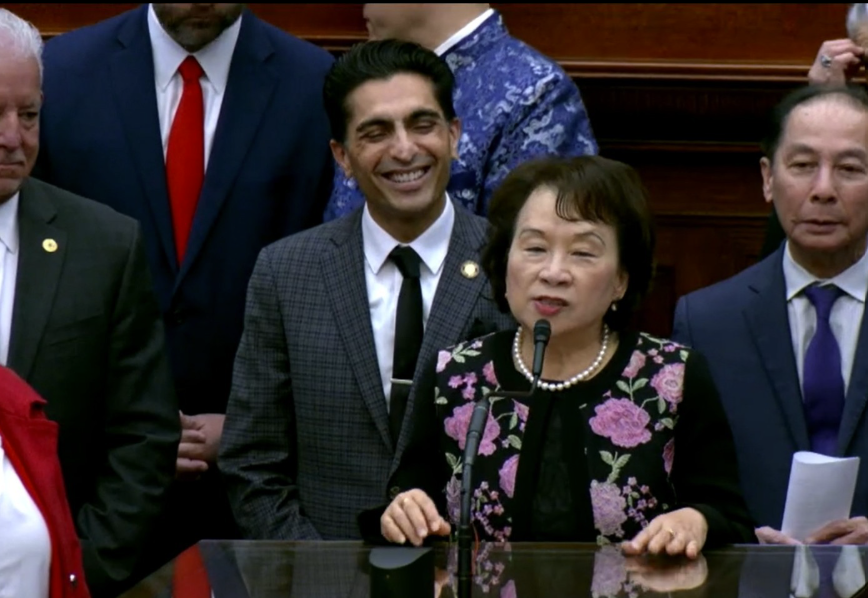
The Times article shows just how intense the gap is between Republican women and Democratic women in Congress, a pattern mirrored in state elections for legislatures and governors and only marginally better in the U.S. Senate. The structural reforms backed by RepresentWomen indeed might have their greatest impact for helping us reach parity in government by creating more opportunities for Republican women.
In the interim, I congratulate Republicans supporting their women candidates. Here is an excerpt from last month’s news release by the Republican State Leadership Committee:
As part of its ongoing effort to recruit, train, and elect the next generation of Republican leaders, the Republican State Leadership Committee (RSLC) today announced its latest Right Leaders Network (RLN) Spotlight Class, recognizing 67 Republican women from across the country. The RLN is the committee’s premier candidate development program dedicated to recruiting, training, and electing Republican women, minority, and veteran candidates to state office.
With state legislative majorities on the line this November, the 2026 RLN Spotlight Class is one of the largest groups of Republican women ever recognized through the program, underscoring the RSLC’s continued investment in building the next generation of conservative leaders. These women are running for office across Arizona, Georgia, Iowa, Maine, Michigan, Minnesota, Nevada, North Carolina, Ohio, Pennsylvania, Texas, and Wisconsin, reflecting the growing strength of the Republican bench in battleground and governing states alike. Together, they represent the next generation of conservative leadership that will shape policy, strengthen Republican majorities, and deliver results for communities across the country.
In 2021, the RSLC redoubled its long-standing efforts to grow the future of the Republican Party when it launched the RLN, joining what was previously the committee’s Right Women Right Now and Future Majority Project initiatives. Through these projects, the RSLC has recruited, trained, and helped elect thousands of Republican women, minority, and veteran candidates to state office, creating a pipeline of conservative leaders who have gone on to serve in legislative leadership, statewide office, and Congress over the past decade.
This installment of the RLN Spotlight Series features the latest Spotlight Class, focusing exclusively on Republican women whose backgrounds reflect the breadth of today’s GOP. These candidates range from a Taiwanese-American immigrant who chairs a major economic development committee in the Texas House to the only practicing physician serving in the Nevada Assembly; from a nurse turned Michigan state senator to a Georgia legislator who has spent decades combating the opioid crisis. The class also includes Pennsylvania Senate President Pro Tempore Kim Ward, the first woman in state history to hold that position. Whether they are first-time candidates, rising legislative leaders, or accomplished public servants, these 67 women demonstrate the depth of Republican female leadership emerging across the country and underscore the RSLC’s commitment to building a stronger, more representative conservative bench from the state level up.
CAWP: The Potential Historic Firsts In Store for November
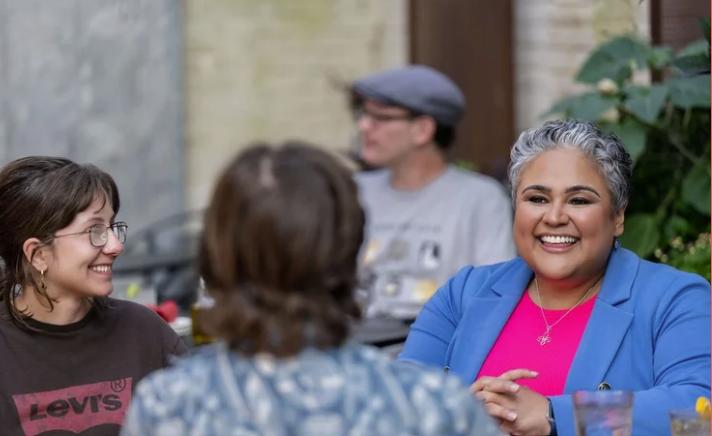
The Center for American Women and Politics has an exciting framing for this election: potential milestones and firsts for women. Here’s an excerpt from this week's news release:
With Election Day just a month away, the Center for American Women and Politics (CAWP), a unit of the Eagleton Institute of Politics at Rutgers University, has compiled potential milestones and historic firsts for women that could be reached in this year’s midterm elections…
Additionally, CAWP Director of Research Kelly Dittmar has published an in-depth analysis about candidates for statewide elective executive offices. Read the full analysis at Post-Primary Analysis: Women in 2026 Statewide Executive Elections.
Here are select milestones – based on contests that are currently deemed favorable or competitive for that candidate – that may be reached this year. For the full list, visit 2026 Potential Milestones and Firsts.
Select National Milestones
- First Native American Woman Governor: Deb Haaland (D-New Mexico)
- First Native American/Alaska Native/Native Hawaiian Woman Senator: Peggy Flanagan (D-Minnesota); Mary Peltola (D-Alaska)
- First Black Woman Governor: Keisha Lance Bottoms (D-Georgia)
- First Time Three Black Women Serving Concurrently in the Senate: Juliana Stratton (D-Illinois) alongside current Senators Angela Alsobrooks and Lisa Blunt Rochester.
- First State to Be Represented by Two Women of Color Senators Concurrently: Illinois, should Juliana Stratton win and serve alongside Senator Tammy Duckworth.
Select State Milestones
- Arizona
- First Native American Woman to Serve in Statewide Elective Executive Office in Arizona: Clara Pratte (D-Corporation Commission)
- Colorado
- First Black Woman in Congress from Colorado: Melat Kiros (D, CO-01)
- Georgia
- First Woman Governor of Georgia: Keisha Lance Bottoms (D)
- Georgia is one of 17 states that have never had a woman governor and one of 5 (GA, ID, MN, PA, TN) that could elect their first woman governor this year.
- Louisiana
- First Republican Woman in the Senate from Louisiana: Julia Letlow
- Minnesota
- First Woman Governor of Minnesota: Amy Klobuchar (D) or Lisa DeMuth (R)
- Nebraska
- First Latina in Congress from Nebraska: Denise Powell (D, NE-02)
- Nevada
- First Black Woman to Serve in Statewide Elective Executive Office in Nevada: Tya Mathis-Coleman (D-Treasurer)
- New York
- First Native American Woman to Serve in Congress from New York: Claire Valdez (D, NY-07)
- First Black Woman Lieutenant Governor of New York: Adrienne Adams (D)
- Ohio
- First Woman Elected Governor of Ohio: Amy Acton (D)
- Nancy Hollister (R) served as governor for less than two weeks via succession due to the resignation of the incumbent governor.
- Tennessee
- First Woman Governor of Tennessee: Marsha Blackburn (R) or Jerri Green (D)
- Texas
- First Latina Governor of Texas: Gina Hinojosa (D)
- Wisconsin
- First Latina to Serve in Statewide Elective Executive Office in Wisconsin: JoCasta Zamparripa (D-Secretary of State)
Your Vote Will Count This November - If You Cast it!
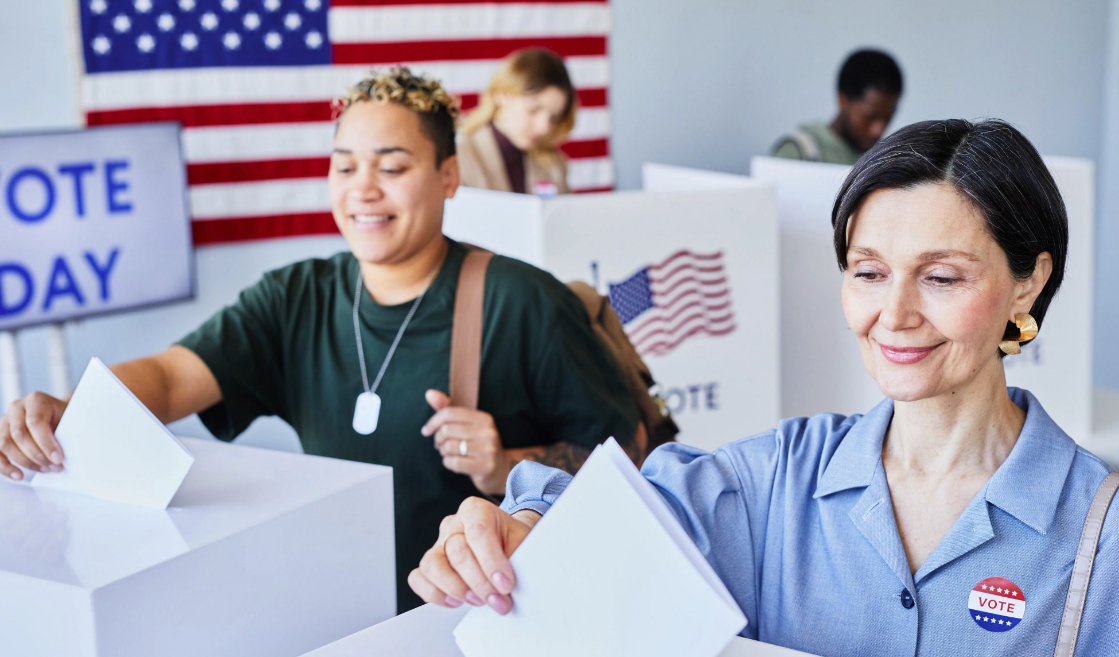
The RepresentWomen team keeps close track of the fundamentals of our electoral process. I know from social meda that there is anxiety about the potential of the Trump administration undermining the November 2026 elections, and indeed there have been a slew of bad-faith efforts that have been largely thwarted in the courts or with effective organizing. But at this point in the cycle, with many states already allowing voters to cast ballots, you should feel confident that the outcome is now in voters’ hands - including yours. Whatever your political preference, please vote – and when there’s a chance to put a woman in charge whose politics you agree with, I trust your commitment to vote will be all the greater.
For timely tracking of what's going on in voting, there may be no better resource than the Election Law Blog edited by UCLA law professor Rick Hasen. Among many valuable recent pieces highlighted by Hasen, here’s an analysis by Lawfare senior editor Molly Roberts on fears that newly elected Members of Congress might not be seated:
Jan. 6 was an essential moment in 2020 because, as the appointed day for the electoral count, it marked a point of no return after which the presidential election was effectively lost—by the losers, that is. Jan. 3, the day the old Congress ends and the new one begins, is the congressional equivalent: Only the swearing-in process still stands between the winners and their seats. This vulnerability lately has filled some commentators and activists with fear.
They’d probably be wrong to panic. But they’re right to pay attention. Some of the Jan. 3 doomsday speculation hinges on the fear that Speaker of the House Mike Johnson or the current Republican House majority will “refuse to seat” incoming Democrats. Despite the prominence of these warnings in mainstream media, they are largely nonsense…
That’s no reason for complacency. There’s always room to strengthen the system further, for these midterms where it’s still possible and for future contests where it’s not. Delayed certifications open up the widest opportunity for mischief—so states should take every available step to ensure certification can’t be delayed, at least not unduly. That involves everything from tightening the process itself (a subject deserving of thousands of words of its own), to clarifying its mandatory nature, to ensuring that any litigation is resolved ahead of Jan. 3. Preserving records so that results are readily verifiable even when the chain of custody around ballots themselves is broken is also essential.
Valuable as it is to take the rogue clerk scenario seriously, it’s also imperative not to take it too seriously. Treating a relatively unrealistic hypothetical as a foolproof electoral hack implies the move is lawful: a way to slip through a legal loophole. In reality, the would-be victims of such an effort would be wise to challenge the gambit as a lawless contravention of norms, statutes, and the Constitution all at once. It also assumes that the move would work. Defenders of democracy should be on notice that this ploy not only is preventable but also has been prevented. Subverters of the same should be aware that the most they’re likely to achieve through the stratagem is mayhem.
Majorities of Battleground Voters Back Reforms, Including Ranked Choice Voting
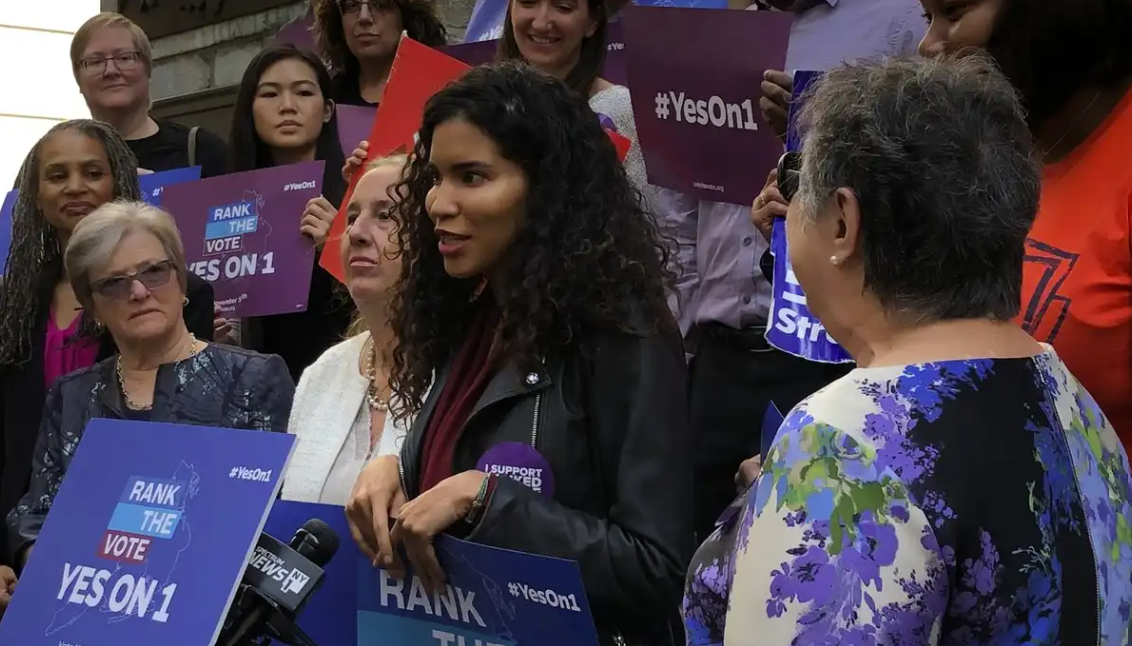
More than three decades into my work for electoral reform in the United States, I believe we are reaching a big change moment. New encouraging evidence comes from a major new poll by Voice of the People of nearly 20,000 Americans. Its findings on ranked choice voting reinforce my belief that RCV is ready to scale beyond its already-impressive advances. Here’s an excerpt from the Voice of the People release:
As Americans’ trust in US political institutions remains near an all-time low, new battleground surveys of nearly 20,000 Americans reveal bipartisan majority support for major political reforms. These findings come from surveys conducted by the Program for Public Consultation (PPC) in 11 competitive states and 28 competitive House districts.
The following reforms – all based on proposed Congressional legislation – are favored by majorities of both Democrats and Republicans in all battlegrounds surveyed, and nationally, with one exception.
Government Reforms:
- Require that all Congressional redistricting be conducted by non-partisan citizen commissions
- Place term limits on Members of Congress
- Use ranked choice voting for Congressional elections (bipartisan support in 31 out of the 39 battlegrounds surveyed)
- Prohibit stock trading by members of Congress, the President, Vice President, and Supreme Court Justices
- Require Supreme Court Justices to abide by the same ethics standards used by all other federal judges
Campaign Finance Reforms:
- Pass a new Constitutional amendment to allow Congress to restrict corporate and PAC spending on elections, effectively overturning Citizens United
- Provide tax credits for campaign contributions by small donors
- Impose stricter disclosure rules on campaign-related spending by corporations, unions and other groups…
Ranked Choice Voting
Using ranked-choice voting in all congressional elections with three or more candidates is favored by 55 to 97% of Democrats and 53 to 85% overall. Among Republicans, 41 to 79% favor it, including majorities in 31 of the 39 battlegrounds surveyed. Nationally, 70% of Democrats and 64% of Republicans are in favor, and 66% overall.
Ranked choice voting was explained as follows, starting with a three-person race as an example: “Voters not only select their first choice but can also select their second choice. Then, if no candidate gets a majority, the one with the fewest votes is eliminated. Voters who favored the eliminated candidate then have their votes switched to their second choice. The tally is recalculated, and the candidate with a majority of votes wins. If there are more than three candidates, the process is repeated until a candidate gets a majority.”
Lorissa Rinehart’s Impassioned Case for Local Government
Lorissa Rinehart’s Winning the Earthquake, a fantastic biography of Jeannette Rankin, the first woman elected to Congress in 1916, has just won a High Plains Book Award. A big congrats to Lorissa, and I wanted to share my further appreciation for her passionate case for caring about, voting in, and running for positions in local government. Here's an excerpt from her recent post The Revolution Will Be Local:
Indeed, every issue that we too frequently expect the federal government to fix is being addressed on a local level every single day. National policy of course plays an important role, but it is from local government that the federal government most often, and most accurately, takes its cues. Because democracy.
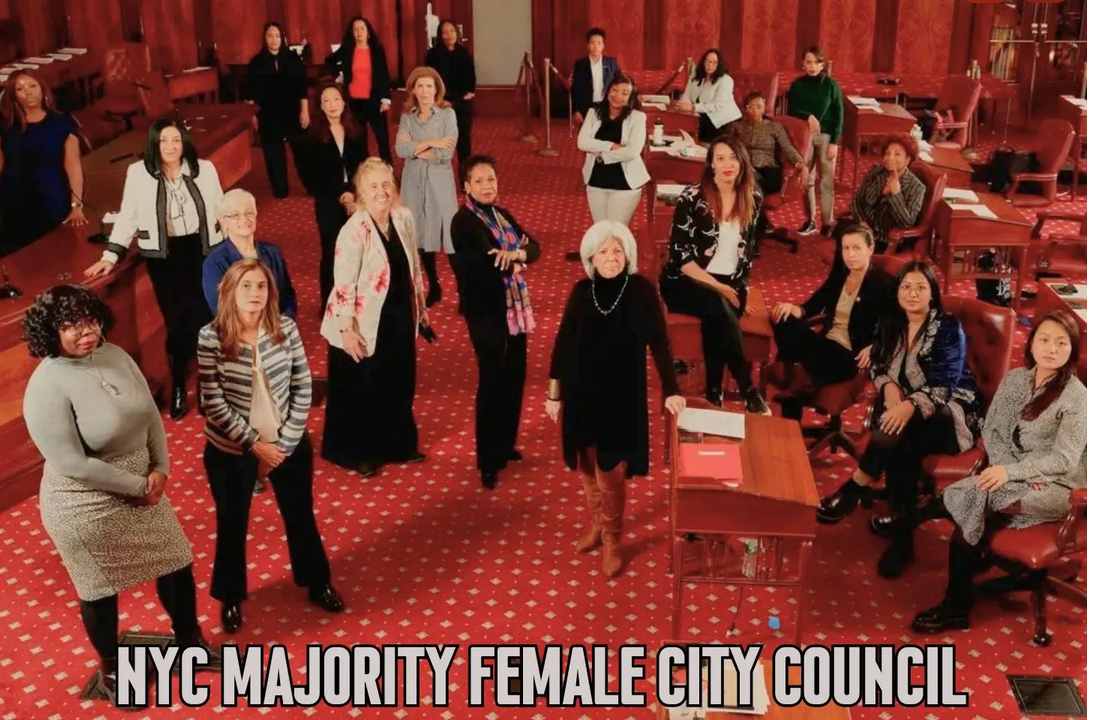
And, to cap it all off, local government is the single most important pipeline for women in politics. The structural barriers that make it harder for women to run for federal office, campaign costs, relentless scrutiny, sexist assumptions over capability, are lower at the local level. And it’s in local government that women have made their most consistent and consequential gains.
Women hold more than 30 percent of all city council seats nationwide, a crucial percentage to achieve true political power and change. Many of the most transformative women in American politics got their start on a school board, a city council, or a county commission. Gina Hinojosa ran for the Austin school board when the state threatened to close her son's elementary school. Christina Bohannan started in the Iowa state legislature. Melinda Greene spent 30 years in county government before running for Santa Barbara Clerk-Recorder-Assessor.
The path to Congress, to the Senate, to the Governor's mansion, and eventually to the Oval Office runs directly through the local races that most voters skip. Which means that every time a woman runs for city council and wins, she is not just solving a local problem. She is building the pipeline that American democracy desperately needs.
And yet, a recent Portland State University study found that in many major American cities, fewer than 15 percent of eligible voters participated in mayoral and city council elections. The next time you wonder how the fascist movement was able to erode American democracy in just two presidential cycles, remember that number.
Our democracy begins and ends with local elections. Accordingly, preserving our freedom neither begins nor ends in November, but in every single election in which we have the right and responsibility to cast our ballot. Vote accordingly. Vote every chance you get. Vote like your life depends on it. Because it does. See you at the ballot box.
Poet Anne Carson Awarded Nobel Prize in Literature
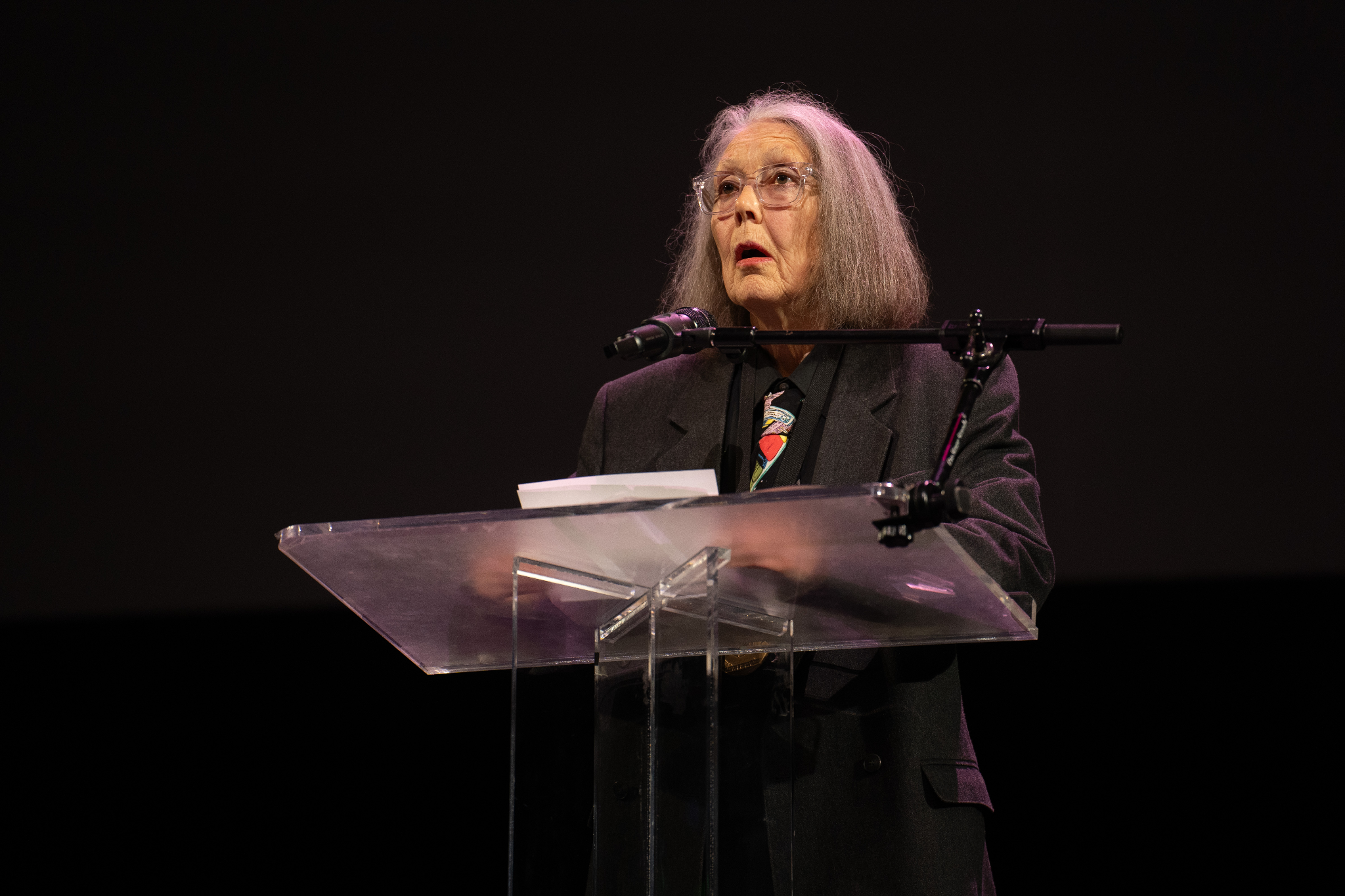
On Thursday, the poet, essayist, and translator Anne Carson was awarded the Nobel Prize in literature for her genre-defying work. Her writings, including The Beauty of the Husband, Autobiography of Red, and Eros the Bittersweet, are all credited for creating new forms of contemporary literature that mix modern choices with the classical tradition. Carson is also known for her translations of ancient Greek texts.
Since 1901 the Nobel Prize in literature has been awarded 122 times to 104 men and just 18 women, Carson being the most recent.
More from The New York Times:
She is the third Canadian-born writer to receive the honor, after Alice Munro in 2013 and Saul Bellow in 1976.
Upon learning of the prize, Carson said “Yikes,” according to her agent, Nicole Aragi.
Carson, 76, is best known for her translations of ancient Greek texts and for remixing them in a modern, playful voice. “Autobiography of Red: A Novel in Verse,” from 1998, turned a fragment of Greek poetry into a tale of a moody teenager’s destructive love affair, and “Red Doc>,” from 2013, a sequel of sorts to “Autobiography of Red,” concerned a road trip.
“Many toil in the interstices of genre,” the poet Daisy Fried wrote in a 2013 review of “Red Doc>” for The New York Times. “Carson’s palatable, popular, sophisticated and who-cares approach may have done the most and best work in the last two decades to stop people worrying so much about what’s poetry and what’s not.”
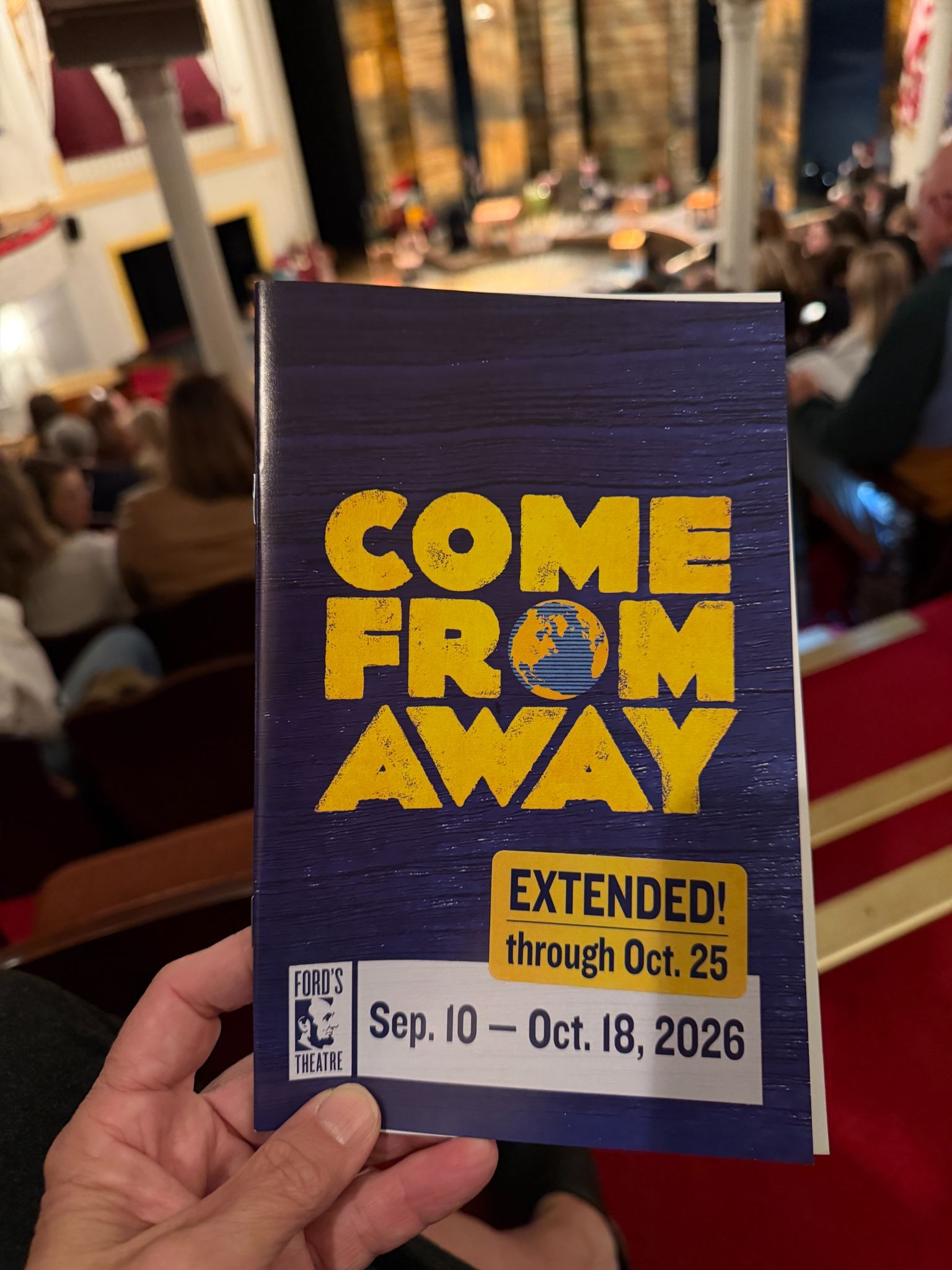
P.S. This week, I joined my husband and daughter Anna to go to Ford’s Theater in Washington, DC to attend Come from Away, the inspiring musical about people coming together under stress when dozens of planes were forced to land in Newfoundland in the wake of the September 11th attacks – doubling the population of Gander for nearly a week. A highlight is the song Me and the Sky about the true story of Captain Beverley Bass, who in 1986 became the first female American Airlines captain in history to fly with an all-female crew. As a reminder of all the women who have been such heroines in advancing equality, give it a listen!
.png)
.png)
