A generation ago, my mother Carolyn Nicholson Terrell, a housewife in upstate New York, worked with the League of Women Voters to educate her neighbors about the United Nations, and before that my grandmother, Marjorie Smith Terrell, worked with Eleanor Roosevelt to build support among women’s organizations for the newly established institution. I couldn’t feel prouder of the United Nations this week as international leaders gather in New York City to make speeches and work toward cooperation across borders. For all its structural flaws and the flouting of international norms by the Trump administration, the United Nations provides great value and a unique venue for progress toward women’s equality.
Oddmakers favor a woman finally becoming the new U.S. Secretary General this fall. I want to salute outgoing Secretary General António Guterres’ remarks this week that are powerful and motivating. Here’s an excerpt from his speech entitled “Let us be remembered as the generation that kept its promise to women and girls and made equality irreversible.”
After 80 years, this organization has yet to select a woman Secretary-General. This is not a symbolic gap. It is a loss of talent and experience that the world can no longer afford. Gender equality is central to every agenda. It is essential to economic growth, to peace and security, climate resilience, technological innovation, and the future of multilateralism and sustainable development.
Today, hard-won gains are under pressure. Women’s rights are challenged. Civic space is shrinking. Women’s organizations face growing pressures with declining resources. And the snapshot that is in front of you is telling us that, at the current pace, it will take us 171 years to reach gender equality.
I don’t think any one of us wants to wait that long. I don’t think any one of us can wait that long. And we really need to continue to work hard on this. We are not here simply to defend the progress that we have made. We are here to accelerate it, and we know it is possible. So, the magic word between now and 2030 is accelerate, accelerate, accelerate.
This requires leadership, resources, and institutions that are ready to support change and acceleration. That is the role of UN Women. Across every region, UN Women helps turn global standards into national progress and tangible change in women’s and girls’ lives. Through our distinctive mandate, global commitments have become stronger laws and institutions. More women have entered political leadership. More women have gained economic opportunity. More survivors of violence have accessed protection, justice, and support. The future is being shaped as we speak today.
My opening readings below feature two new United Nations reports that exemplify the quality of research and analysis from U.N. Women. While the reports quantify the immense challenges women face as they work toward equity in government, they also showcase an exciting finding: where women rise into leadership, progress is more likely to be made on the UN’s admirable goals toward sustainability.
Birthday: Samantha Power, US AID; Margaret Taylor, former First Lady (1788); Faith Hill, American country singer and actress; Ricki Lake, best known for her role In the 1988 film Hairspray; Elsie Allen, of the California Pomo Tribe known for sustaining and passing down traditional Pomo basket-weaving (1899); Peggy Flanagan, Lt. Governor of MN; Alma Thomas, painter (1891); Peyton Woodbrown; Gloria Borger, journalist, columnist, and political analyst; Mary Church Terrell, African American civil rights activist & suffragist (1863); Muthoni Wambu Kraal, partner at NEWCO Strategies; Perry Radford, NM Voters First; Diana Ayala, NYC Councilwoman; Mehrnaz Teymourian, former RepresentWomen board member; bell hooks, activist & author (1952); Bethany Karn, Flower Power Priestess & owner of ButterKup Flowers; Erin Loos Cutraro, founder & CEO of She Should Run; Farah Louis, NYC Councilwoman; Robin Usalis; Onida Coward Mayers, RepresentWomen board member; Freda Kirchway, political journalist & editor (1893); Lily Singh, actress, author, first person of Indian descent to host a major late-night talk show; Jane Smiley, American novelist; Serena Williams, professional tennis player; Janet Fleischman; Fatma Tawfik, RW International Research Manager; Kristina Wilfore, president of Karakoyun Strategies; Abbie Hodgson
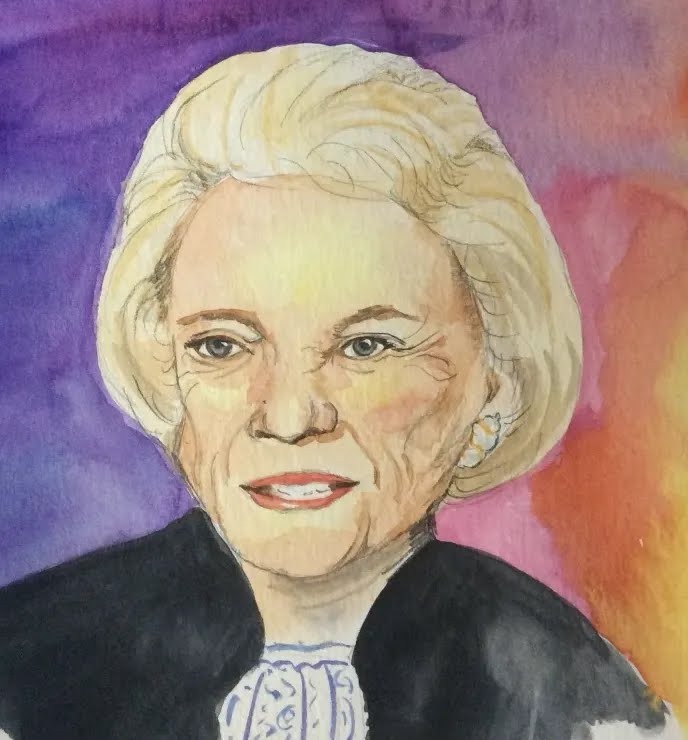
Milestone: Jocelyn Burdick became 1st woman Senator from North Dakota (1992); Executive Order 11246 is signed by LBJ, prohibiting sex discrimination by government contractors and requiring affirmative action plans for hiring women; Sandra Day O'Connor became 1st female Justice confirmed to the United States Supreme Court (1981); Rachel Carson's “Silent Spring” is published (1962).
United Nations Data on Women’s Leadership Around the World
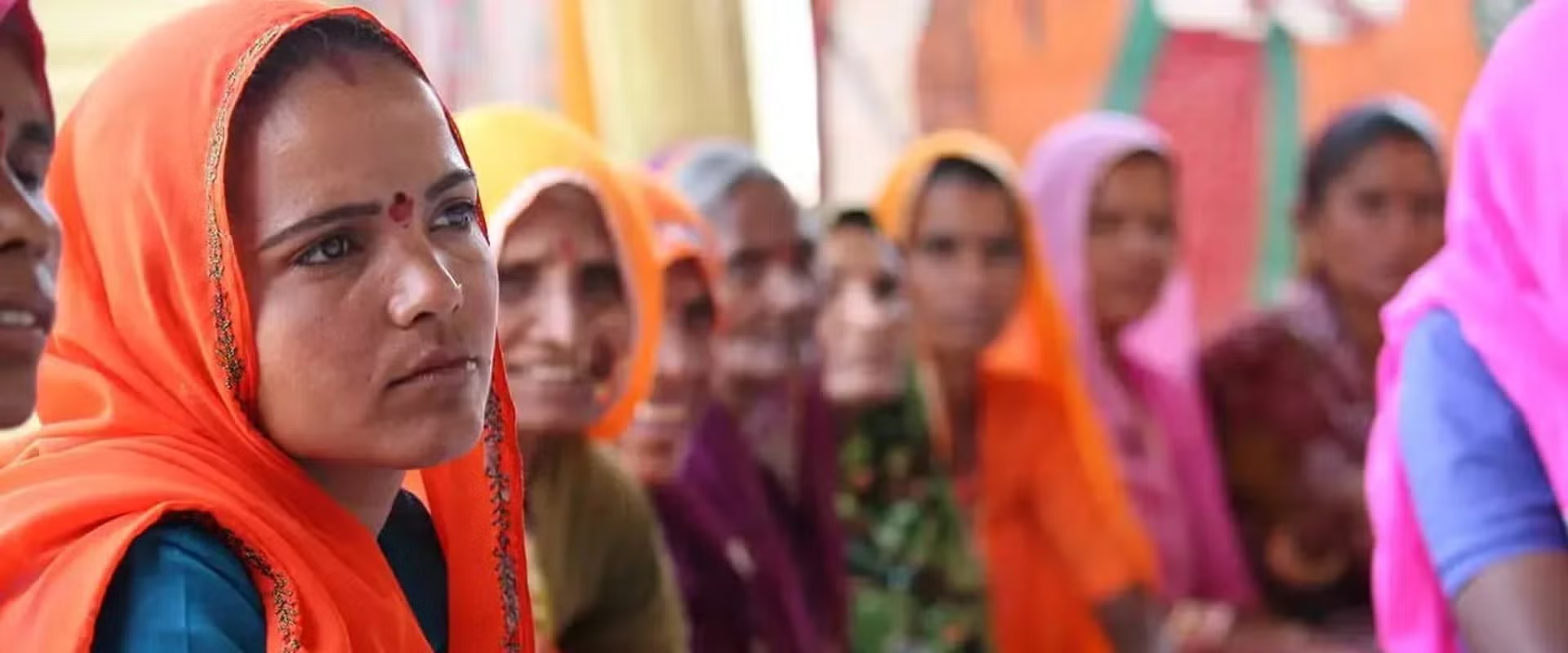
I regularly turn to analysis and data provided by UN Women. Here’s a lengthy excerpt from its recent overview of women’s leadership around the world.
Women’s equal participation and leadership in political and public life are essential to achieving the Sustainable Development Goals by 2030. However, data show that women are underrepresented at all levels of decision-making worldwide and that achieving gender parity in political life is far off, ...
Women in executive government positions
- As of 1 September 2026, there are 28 countries where 30 women serve as Heads of State and/or Government [1]. At the current rate, gender equality in the highest positions of power will not be reached for another 130 years [2].
- Just 20 countries have a woman Head of State, and 19 countries have a woman Head of Government [3].
- Data compiled by UN Women show that women represent 22.4 per cent of Cabinet members heading Ministries, leading a policy area as of 1 January 2026 [4]. There are only 14 countries in which women hold 50 per cent or more of the positions of Cabinet Ministers leading policy areas [5].
- The most commonly held portfolios by women Cabinet Ministers are Women and gender equality, followed by Family and children affairs, and Social inclusion and development [6].
Women in national parliaments
- Only 27.5 per cent of parliamentarians are women, up from 11 per cent in 1995 [7].
- Only seven countries have 50 per cent or more women in parliament in single or lower houses: Rwanda (64 per cent), Cuba (57 per cent), Nicaragua (55 per cent), Bolivia (51 per cent), Andorra, Mexico, and the United Arab Emirates (all at 50 per cent) [8].
- A further 23 countries have reached or surpassed 40 per cent, including ten countries in Europe, six in Africa, five in Latin America and the Caribbean, and two in Asia-Pacific [9].
- Globally, there are 21 States in which women account for less than 10 per cent of parliamentarians in single or lower houses, including three lower chambers with no women at all [10].
- At the current rate of progress, gender parity in national legislative bodies will not be achieved before 2063 [11].
- Women hold 37 per cent of parliamentary seats in Latin America and the Caribbean and make up 33 per cent of parliamentarians in Europe and Northern America. In sub-Saharan Africa, there are 27 per cent of women legislators, followed by Eastern and South-Eastern Asia with 24 per cent, Oceania with 21 per cent, Northern Africa and Western Asia with 18.5 per cent, and Central and Southern Asia with 17 per cent of women Members of Parliament [12].
Women in local government
- Data from 147 countries show that women constitute more than 3 million (36 per cent) of elected members in local deliberative bodies. Only two countries have reached 50 per cent, and an additional 29 countries have more than 40 per cent women in local government [13].
- Regional variations are also noted for women’s representation in local deliberative bodies, as of January 2025: Central and Southern Asia, 41 per cent; Europe and Northern America, 37 per cent; Oceania, 35 per cent; Eastern and South-Eastern Asia, 31 per cent; Latin America and the Caribbean, 31 per cent; sub-Saharan Africa, 26 per cent; Western Asia and Northern Africa, 19 per cent [14].
UN Report: Women’s Leadership Contributes to Achieving SDG Goals
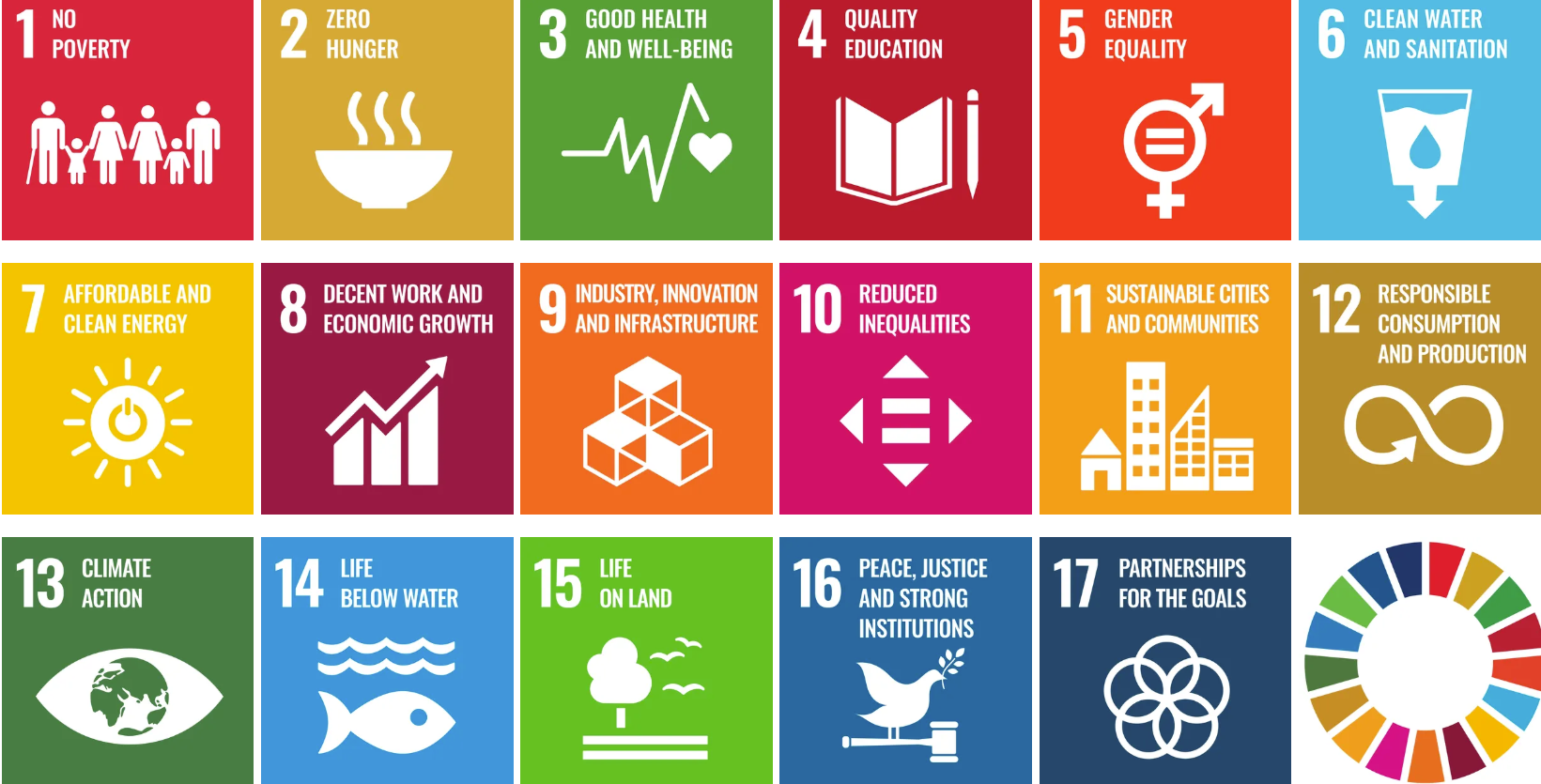
UN Women and the UN Department of Economic and Social Affairs partnered on a new report, Gender Snapshot 2026, which tracks trends on gender equality across all 17 Sustainable Development Goals (SDGs). Here’s an excerpt that includes an exciting finding about what equitable representation of women can mean in governance:
“The report warns that in leadership and decision making, the promise of gender equality is a distant dream.” It calls for building stronger institutions, expanding women’s leadership, and transforming discriminatory social norms.
Titled, ‘Progress on the Sustainable Development Goals: The Gender Snapshot 2026,’ the report finds that:
- Parity in national parliaments will not be reached for another 63 years;
- Of 175 chief justices globally, 144 are men and 31 are women; and
There is a perceived erosion in institutional power over the past two years, as reported by one-third of respondents in a 2026 survey of national gender equality mechanisms.
Among the consequences of this institutional architecture, the report highlights less funding for gender equality initiatives, less accountability for laws and policies that support women’s needs, and weaker implementation of existing commitments.
The report argues that “[w]hen women lead, gender-responsive policies are prioritized, institutions are held accountable, and progress is made across all SDGs,” including education, environmental protection, and poverty reduction.
Recommendations on the way forward include:
- Strengthen national gender equality mechanisms through strong mandates, adequate staffing, and dedicated, predictable resources.
- Close the 36 percentage-point gap in women’s legal rights, ensuring implementation mechanisms.
- Extend gender-responsive budgeting and put comprehensive systems in place to track progress and impacts.
- Expand the adoption and effective implementation of permanent or temporary special measures, including legislated quotas targeting parity.
- Use electoral frameworks to address the high financial costs of running for election, as these can filter out women.
Donna Brazile: Black Women Poised for Historic Congressional Gains
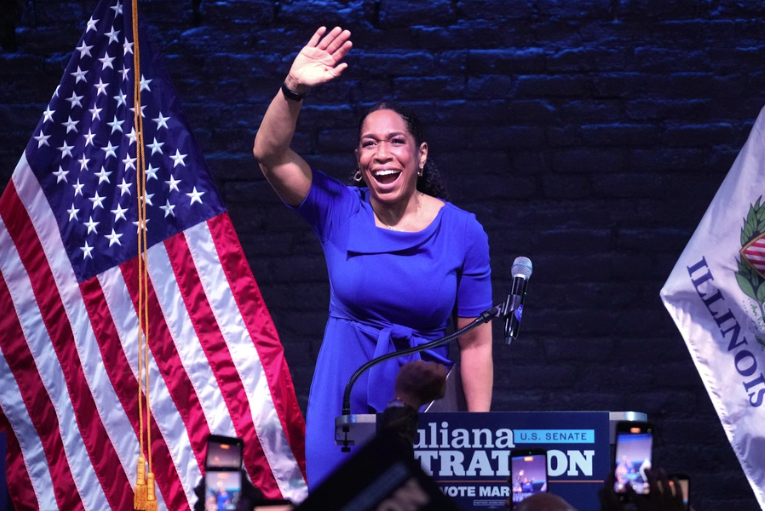
Democratic strategist, Donna Brazile, writes in The Hill about increasing chances for a breakthrough year for Black women in Congress. Here’s an excerpt:
Data shared with me by Rutgers’ Center for American Women in Politics and Higher Heights shows that with nearly all primaries concluded, 77 Black women have secured spots on midterm ballots as candidates for the U.S. House and Senate, governorships and other statewide offices. Seventy-one are Democrats…
A total of 44 Black women — 41 of them Democrats — have been nominated to run for the U.S. House from 20 states and the Virgin Islands. The current House session began with 27 Black women serving as representatives and two others serving as nonvoting delegates from Washington, D.C., and the Virgin Islands. All 29 are Democrats.
Four Black women Democrats have been nominated to run for the U.S. Senate in the midterms from Florida, Illinois, Oklahoma and Tennessee. Two Black women Democrats are now serving as senators from Delaware and Maryland…
Black women are rising despite all the stereotypes and insults we’re still hit with — like the claim that we only advance because of diversity, equity and inclusion policies. We just keep moving forward, raising families, building careers, strengthening communities and our nation, and showing we can be leaders as well as followers.
Surge of Black Women on November Ballot in Georgia
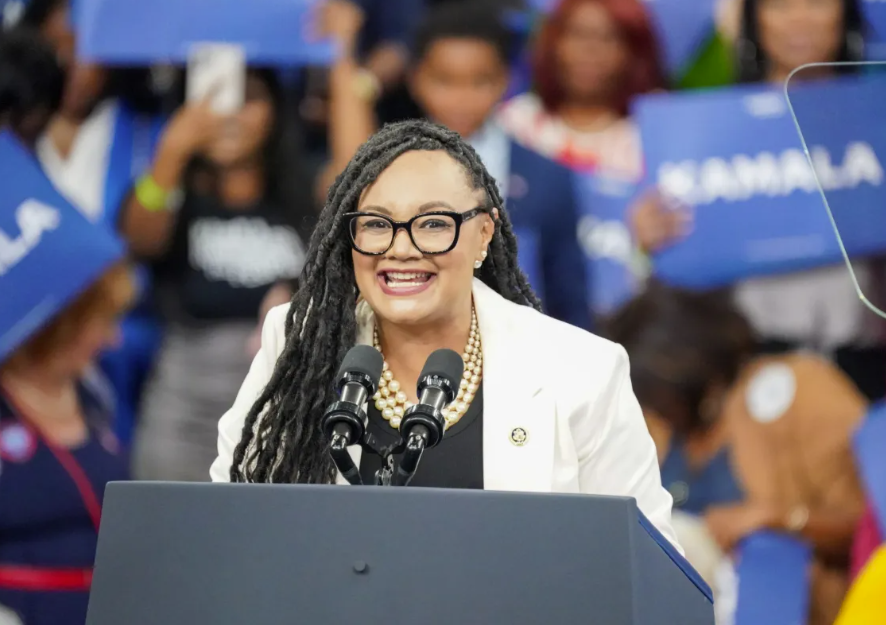
Jabari Simama, former president of Georgia Piedmont Technical College, writes an important commentary in Governing about the remarkable rise of Black women candidates in Georgia. Here’s an excerpt:
Black women have long been among the most dependable participants in American elections. What is changing is the visibility of their political power, not only as voters but as candidates and officeholders.
My home state of Georgia may offer the clearest example. This November, eight Black women will appear on the ballot as Democratic nominees for statewide office: governor, secretary of state, attorney general, insurance commissioner, labor commissioner, agriculture commissioner, state school superintendent and Public Service Commission member — the largest such slate in the nation. It follows another milestone: Alicia Johnson’s 2025 election to the utility-regulating Public Service Commission made her the first Black woman elected to nonjudicial statewide office in Georgia’s history.
And the surge in Black women seeking office extends beyond the statehouse to Congress. Incumbent Democrats Nikema Williams and Lucy McBath are seeking reelection in Georgia’s 5th and 6th Congressional Districts, respectively, while three Black Democratic women are challenging Republicans in House Districts 1, 12, and 13…
Georgia's 2026 election is not merely a marvel story about representation. It is a story about a constituency whose numbers, participation and lived experiences increasingly intersect with the work of governing. For Black women, this may indeed be a consequential political moment. For the officials who represent them, the more enduring question is what government does with that moment after the votes are counted — regardless of who wins or loses.
League of Women Voters Launches New Nationwide Push to Protect the Vote
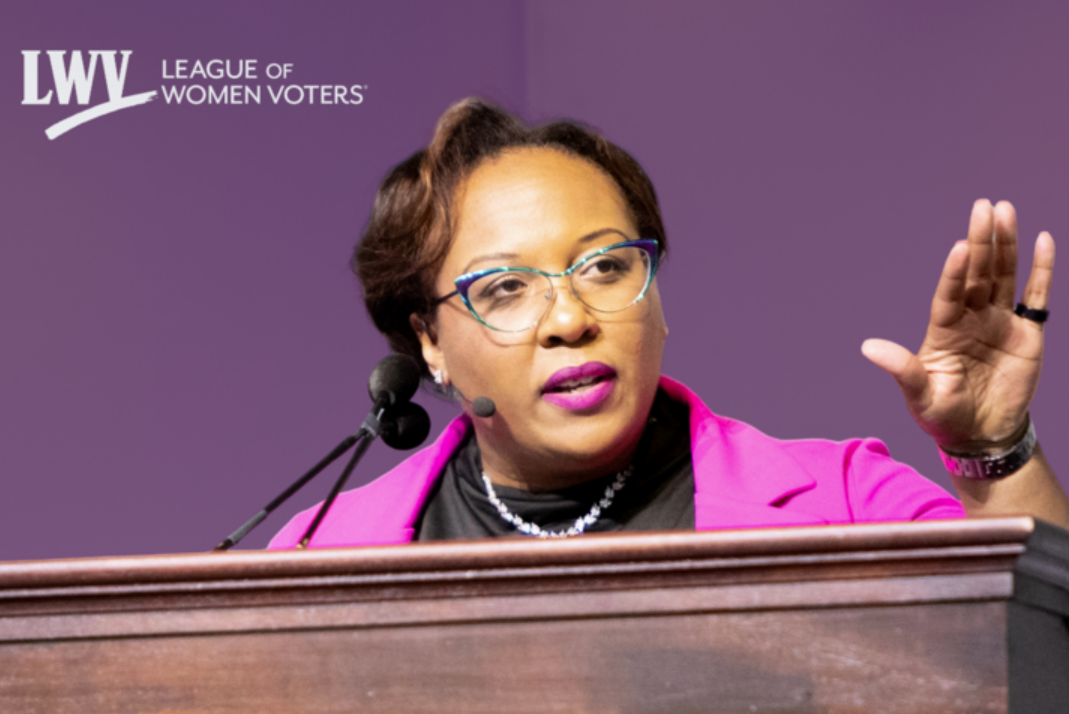
I regularly hear at home and on the job from people worried about the security and integrity of our elections this fall. We should take nothing for granted. I wanted to lift up the work of the League of Women Voters US (LWVUS) that works nationally and with its hundreds of state and national arms to protect and increase the health of American democracy. Here’s an excerpt from a LWVUS news release on its valuable work:
The League of Women Voters is launching a nationwide effort to equip voters with trusted information, combat misinformation and ensure Americans can cast their ballots safely and confidently. As confusion about voting rules grows and targeted disinformation spreads, the League and its more than 800 state and local Leagues are mobilizing communities around one urgent message: Your vote is your power and now is the time to use it.
Throughout October, the League will drive voter education and engagement across the country, urging Americans to check their registration, understand what’s on their ballot, make a voting plan and vote early where available. The organization will also spotlight the essential role of election workers and help voters navigate last‑minute misinformation as Election Day approaches.
October 27 marks a major milestone: the 20th anniversary of VOTE411.org, the League’s trusted, nonpartisan election information resource. Launched in 2006, VOTE411 has helped millions of Americans cut through confusion and find personalized ballot information, voter registration tools, polling locations, and state‑specific voting rules.
“This election is too important to sit out,” said Celina Stewart, CEO of the League of Women Voters. “With misinformation rising and voting rules changing, every eligible voter needs clear, trusted information and importantly, a plan. Check your registration. Make your plan. Vote early if you can. Bring five friends. And if you’re able, serve as a poll worker. Democracy is not a spectator sport; it’s something we protect and strengthen together.”
Guardian on Mothers in U.S. Resistance Movements and Politics
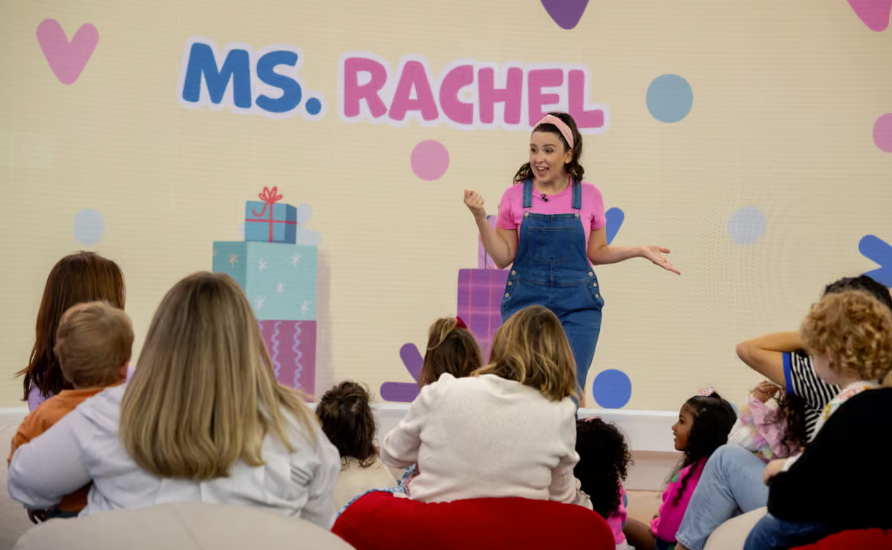
I came across this Guardian article from last May that lifts up the many American women and mothers in leadership roles in organizing resisting the Trump administration’s moves toward autocratic government and action. While the whole article is worth reading, I wanted to lift up an excerpt on what to me has always been a necessary complement to such community organizing – running for office and helping others get elected to exercise power.
While both Watts and Paris believe a lot of work can happen on the outside of the political system, they also want more women to run for office. While many who got involved with local organizing groups are intimidated by the electoral system, Watts said. When you’re up close with the mostly male, white lawmakers, “you realize, unfortunately, too many of them are not rocket scientists”, she added.
Watts’s group, Moms Demand Action, has helped launch political runs, including those of Virginia governor Abigail Spanberger and Annie Andrews, a pediatrician running against Lindsey Graham in South Carolina.
There’s a long way to representation. Moms of children under 18 make up 18% of the population, but only just more than 7% of Congress, according to the Vote Mama Foundation, compared with the dads who comprise 23% of Congress, compared with 15% of the US population. (Men named John or Jon, meanwhile, make up 10% of the US Senate.)
The Latest EMILY’s List Endorsements in State and Federal Races
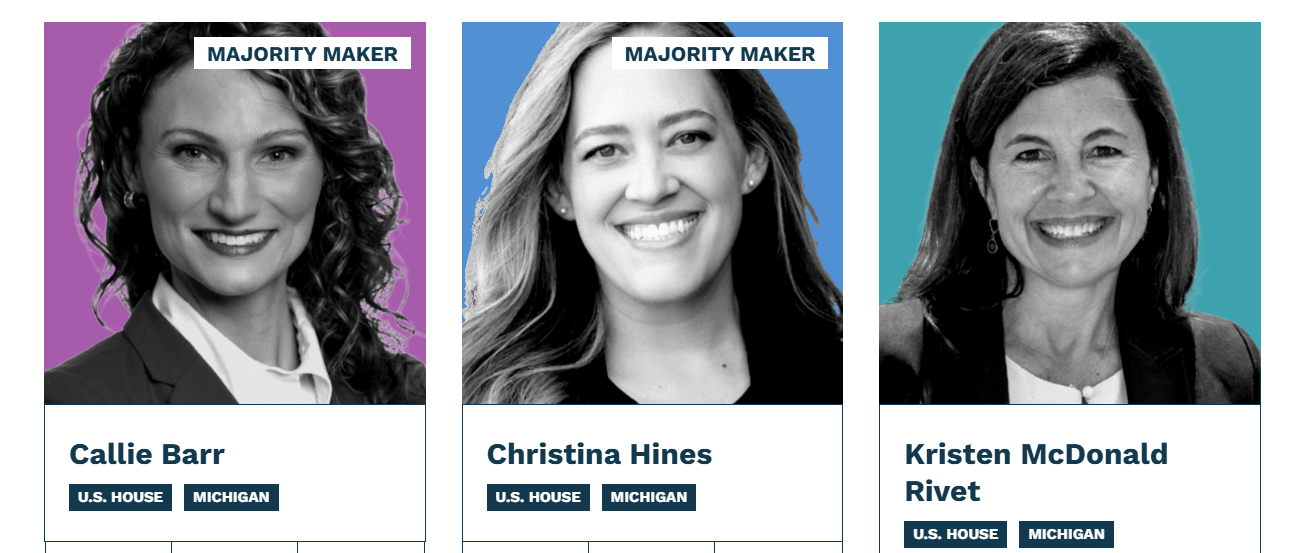
I strongly support international efforts from the left and right focused on electing more women. No group of donors has had quite the impact over the decades as has EMILYs List, whose “early money is like yeast” philosophy has contributed to women being poised to become the majority of Democratic lawmakers in state legislatures this year. Here’s an excerpt from its recent news release on endorsements for state legislature. You can check out its voluminous list of endorsements for state and federal offices that, with some notable exceptions (no Angie Nixon in Florida?) is a helpful guide to where Democratic women are running in competitive federal and state elections this year
Today EMILYs List, the nation’s largest resource for women in politics, is adding 13 races to our legislative targets across our 2026 State Power Plan states. EMILYs List President Jessica Mackler released the following statement on the 13 Democratic women putting these key races in play:
“This November, we have the opportunity to build Democratic power in critical state legislatures across the country, and EMILYs List women are at the center of that fight. As Republicans continue to push their billionaire-first agenda, Democratic women are fighting to make life more affordable and fair for all. EMILYs List is proud to endorse these 13 bold leaders in their state legislative races, as we work together to strengthen Democratic power in 2026 through flipping and expanding majorities in state legislatures.”
Women Can Outraise Men in Competitive 2026 Races
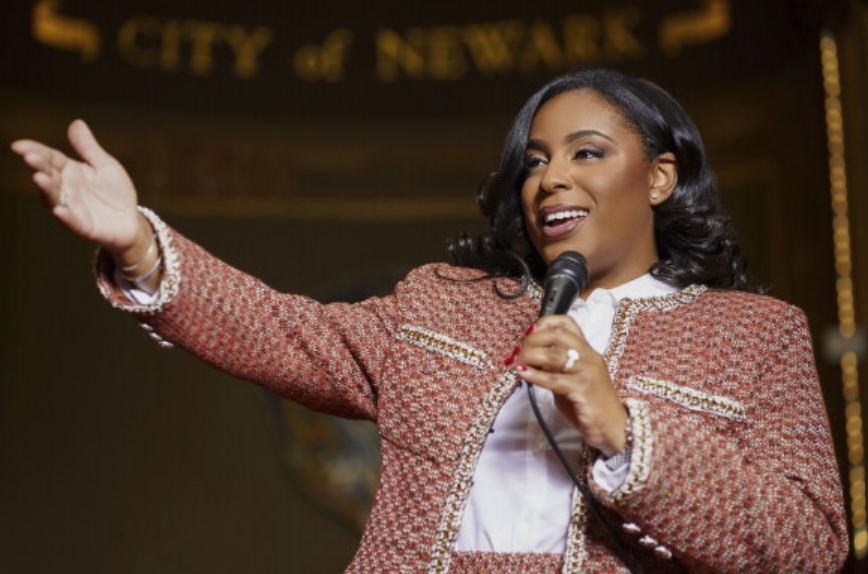
Some women in competitive races for governor against men are getting heavily outspent, most dramatically in Texas, Ohio and Georgia. But traditional inequities undercutting women candidates are changing due to efforts like those of EMILYs List and increases in women incumbents. Campaign and Elections recently profiled this trends – see this excerpt:
Women are outraising men in the most competitive midterm contests more often than not. That’s according to an updated analysis from the Center for American Women and Politics at Rutgers University. Among the 18 mixed-gender races on Cook Political Report‘s most competitive list, a woman candidate led the money race in the majority of them.
“We’re seeing that women often lead the money race in both U.S. House and U.S. Senate contests, with women competing in some of the most important races this cycle,” said Kira Sanbonmatsu, a senior scholar at CAWP and the lead author of Women, Money, & Politics Watch 2026.
Still, there remains persistent challenges for women candidates, even in the most competitive races. When it comes to self-funding, for instance, men are far more likely to bankroll their own campaigns than women, according to CAWP. Eight of the top 10 self-financers in competitive races are men, and the pattern holds across most chamber party and candidate-type breakdowns.
“The self-funding strategy is not available to most Americans, and it’s a much less common strategy for women candidates,” Sanbonmatsu said.
On the other hand, women candidates are more likely to rely on contributions from grassroots and small-dollar donors. Across both parties, women raised a higher average share of their money from contributions of $200 or less, according to CAWP’s analysis..
Among the top women fundraisers by chamber and party were Sen. Susan Collins (R-Maine), Rep. Young Kim (R-Calif.) Senate candidate and former Rep. Mary Peltola (D-Alaska) and Rep. Alexandria Ocasio-Cortez (D-N.Y.).
Party breakdowns cut in different directions. Democratic men outraise Democratic women on average in Senate and open-seat House races, while Democratic women lead in other House contests. Overall, 45 percent of the total money contributed to Democratic women running for Congress came from women donors.
Republican women, meanwhile, out-raise Republican men on average in both competitive House and Senate races though they run in far smaller numbers overall. Still, women donors gave only 31 percent of the total money contributed to Republican women congressional candidates, according to CAWP.
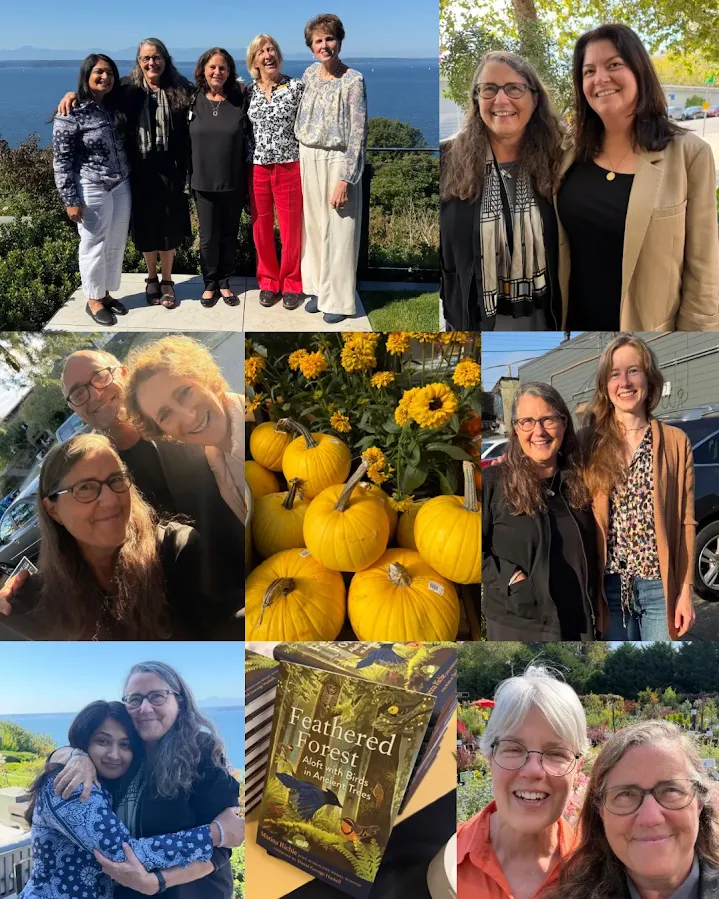
P.S. This week I had the good fortune to meet with a string of inspiring women in Seattle. At one gathering of supporters, I heard each attendee share what they value in women’s leadership – words like collaboration, compassion, intelligence and civility. Later I talked with state legislator Liz Berry on how we might institutionalize those values in lawmaking. Our RepresentWomen team is more determined than ever to succeed across our goals of women’s equality as they run, win, serve, and lead.
.png)
.png)