Yesterday was the 109th anniversary of a milestone that deserves to be better known, and more widely celebrated.
On April 2, 1917, Jeanette Rankin walked into the U.S. House of Representatives as the first woman ever elected to Congress. She did it four years before most American women could even vote. This was achieved not merely through courage, but an almost defiant belief that the system could be something other than what it was. She did not wait for permission. She ran, she won, and she showed up.
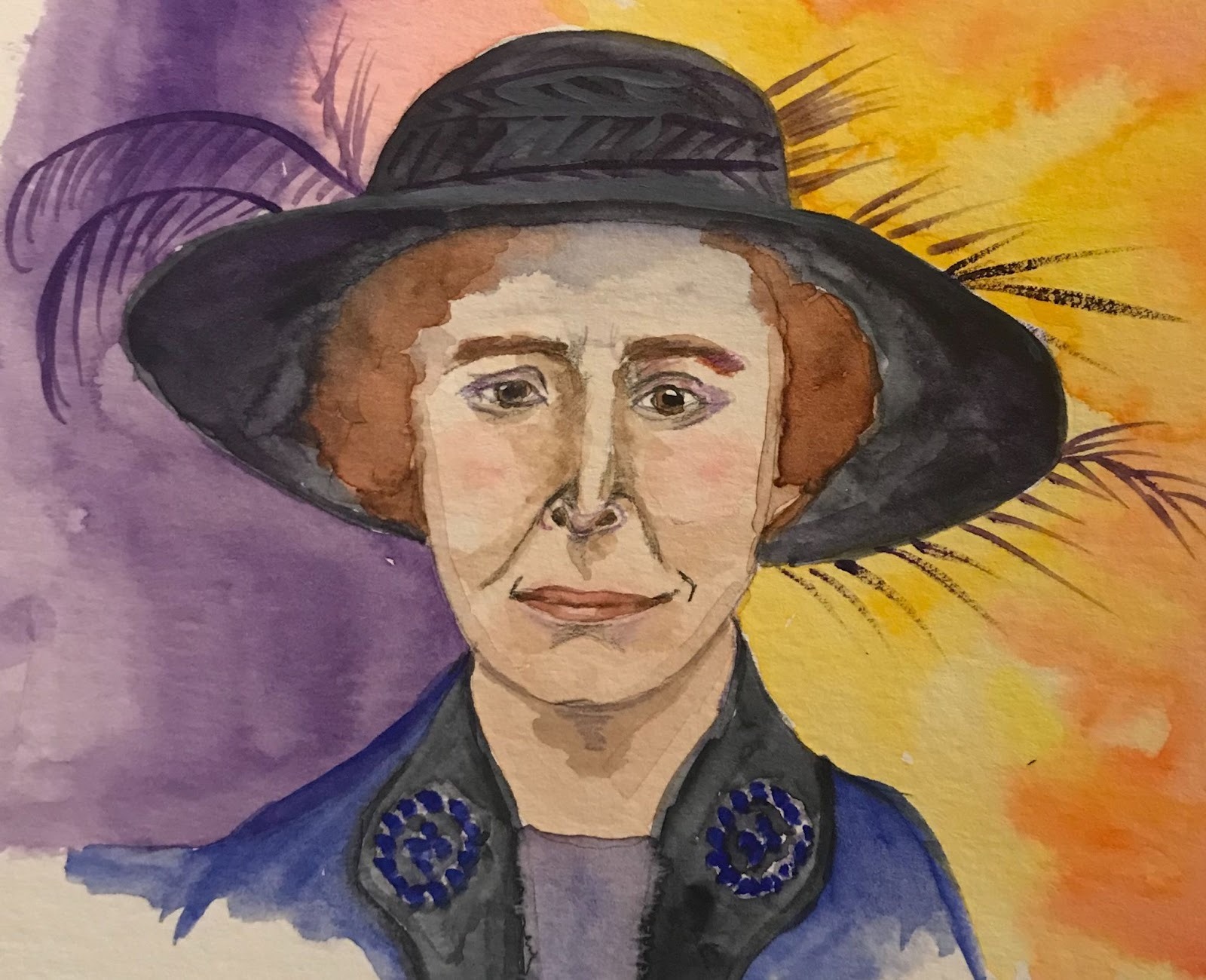
And she kept showing up. Rankin became the only member of Congress to vote against the United State’s entry into both World Wars — a deeply unpopular stance each time, but one she made anyway. She helped pass legislation recognizing married women as citizens in their own right. She protested the Vietnam War at the age of 87, leading a march of women in Washington, D.C. She understood, long before it was widely accepted, that representation without rights was never enough, and that the design of our democratic systems determined who got to participate in them at all. She advocated for a national popular vote, for ranked choice voting, and for proportional representation, believing that the rules of democracy were not fixed facts, but deliberate choices; and that different choices could yield a more inclusive, representative, and peaceful world. She was a peacemaker, a systems thinker, and a woman who never stopped believing that democracy could be built into something more just.
What made Rankin so singular was that her commitment to peace was never separate from her commitment to democracy. She believed that when women were excluded from the rooms where decisions about war and security were made, the consequences fell hardest on the people least responsible for making them. She famously said, “You can no more win a war than you can win an earthquake.” It was a radical idea in 1917. Sitting here in 2026, watching the world navigate conflicts that too few people had a meaningful voice in preventing, it doesn’t feel radical at all. Instead, it feels like a warning we keep having to relearn.
That through line, between who holds power, how decisions get made, and who bears the cost, is at the heart of what we do at RepresentWomen. And it is why Rankin’s story feels less like history to me and more like a living framework for the moment we are in now. We are watching democratic institutions face pressures we have not seen in generations. We are watching women’s political power, hard-won and never guaranteed, come under renewed threat. And we are watching, as Rankin did in her time, what happens when the rules of the system are written without women fully at the table.
In moments like this, I find myself reaching for the people who help make sense of where we are by reminding us of where we have been. One of those people is our dear friend and ally Lorissa Rinehart — women’s historian, author, and the voice behind The Female Body Politic — who has spent years immersed in Rankin’s life, and recently published what is the first authoritative biography of her: Winning the Earthquake: How Jeannette Rankin Defied All Odds to Become America’s First Congresswoman. The title itself comes from that famous Rankin quote, and Lorissa chose it deliberately because understands, as Rankin did, that the work of peace and democracy isn’t about winning in any conventional sense. It is about something harder and more enduring. We have been proud to champion this book at every turn, and if you haven’t read it yet, I cannot recommend it highly enough. Lorissa’s scholarship is a living example of what it looks like to keep Rankin’s legacy not just remembered, but active, and it is exactly the kind of work this moment calls for.
What strikes me most, reflecting on that legacy, is how much continuity there is between Rankin’s moment and ours. She was fighting to be seen, heard, and to change the rules of a system that were built without her in mind. And she was doing so at a time when the world was lurching toward war, when democratic institutions felt fragile, and when the easy path would have been silence. She chose otherwise. And the women carrying her work forward today through scholarship, organizing, and the daily effort to design systems that finally reflect the people they serve, are making the same choice as Rankin.
Milestones: Abigail Adams writes to her husband John & cautions, “Remember the ladies…”; Susan B. Anthony, Clara Barton, Julia Ward Howe & Sojourner Truth organize The National Council of Women; Jeanette Rankin of Montana was sworn in as the first woman elected to Congress (1917); Lelia Foley became the first African American woman mayor (1973); Susanna M. Salter of Kansas became the first woman mayor (1887).
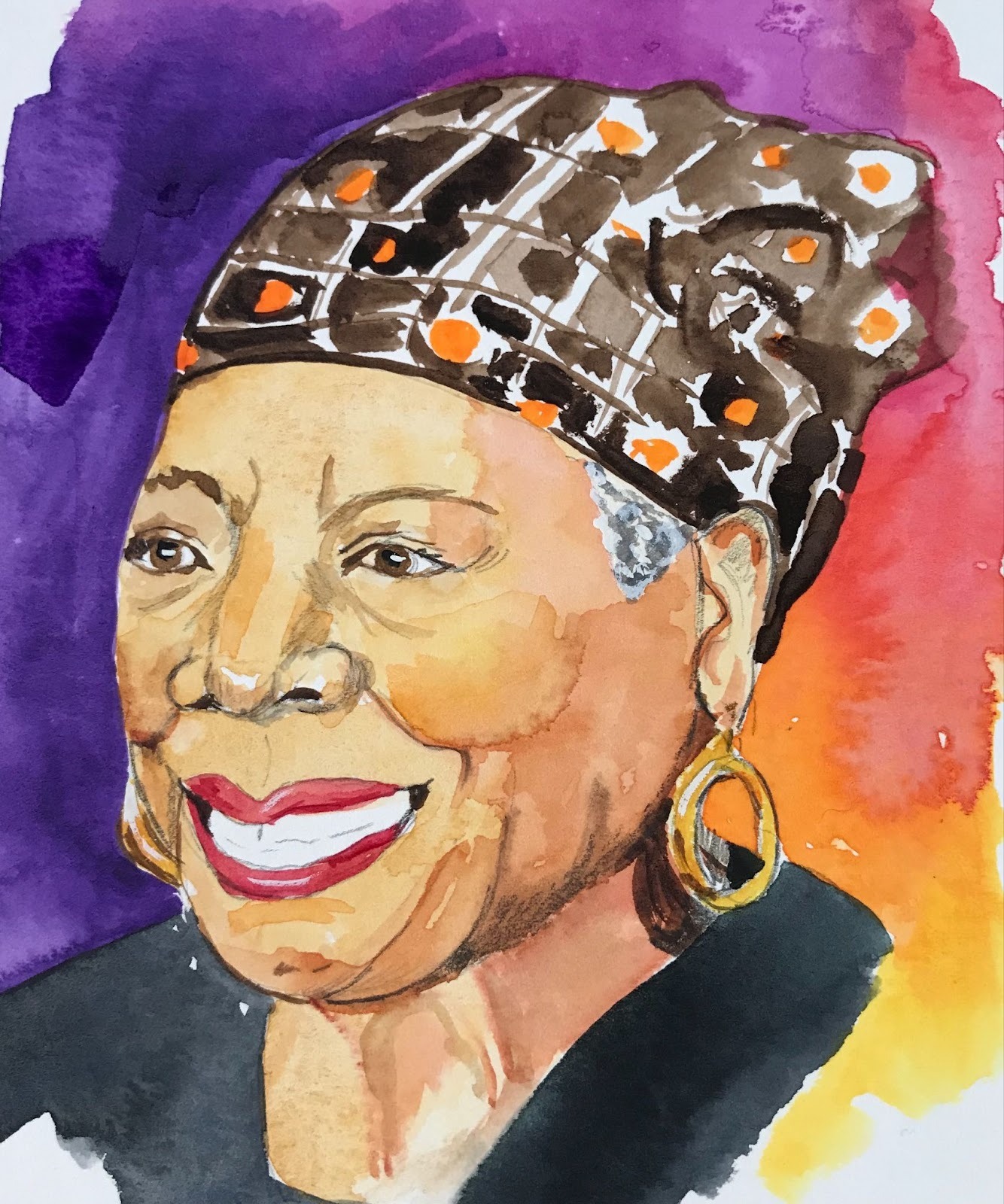
Maya Angelou, painted by Melanie Humble
Birthdays: Frances Nicholson Beer (1930 - 2021); Alissa Bombardier Shaw, RepresentWomen Development Manager; Rachel Maddow; Sharon Waxman, CEO of The Wrap; Gina Glantz, founder of GenderAvenger; Jane Goodall, primatologist & anthropologist; Sandra Nurse, NYC Councilmember; Susannah Wellford, RepresentWomen board member, CEO and founder of Running Start; Maya Angelou, writer, poet, singer, & civil rights activist; Tamara Allen, Policy Assistant for Governor Spanberger; Hattie Alexander, first woman president of the American Pediatric Society; Madalene Xuan-Trang Mielke, CEO of APAICS; and Marne Pike.
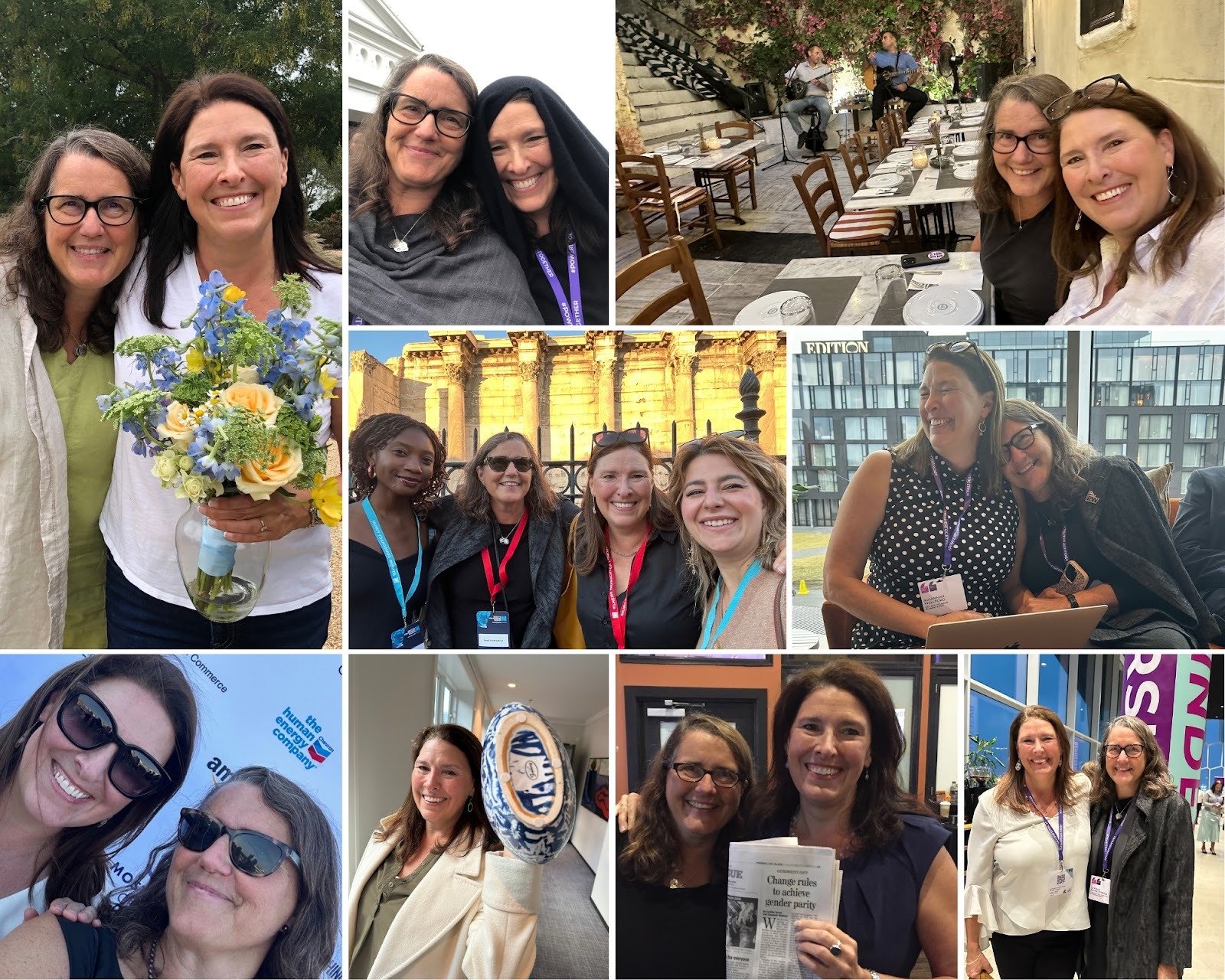
Some partnerships are professional. Some are personal. And then there are the rare ones that are both, so completely intertwined that you stop being able to tell the difference. Today is Susannah Wellford’s birthday, and I can think of no better way to celebrate her than with a little proof of just how much ground we have covered together.
These photos tell a story I am so proud to be a part of. We stood together at the Democratic National Convention in 2016, holding a copy of the OpEd we co-authored in the Philadelphia Inquirer, arguing that changing the rules is how you achieve gender parity. We soaked in the last rays of the sun setting over the Potomac at Washingtonian Magazine’s reception for Washington, DC top policymakers. We sat together at the President of Iceland’s home at the Reykjavik Global Forum, surrounded by women leaders from around the world who are fighting the same fight from different corners of it. We wandered the ancient streets of Athens while attending the Athens Democracy Forum, marveling that conversations about democracy’s future were still happening in the very place where it once began. We celebrated big milestones — including Susannah’s own wedding — and made plenty of time for the quieter ones too, the garden store runs and long dinners where we remember why this work matters and who we are doing it for.
As RepresentWomen’s Board Chair and the founder and CEO of Running Start, Susannah has been one of the most steadfast allies, thought partners, and friends I could have asked for on this journey. She has pushed our work forward, shown up when it counted, and reminded me more times than I can count that the relationships we build along the way are not separate from the mission — they are the mission.
Happy birthday, Susannah. I am so deeply grateful to be walking alongside you. 💜🤗
Denmark's Mette Frederiksen Eyes a Third Term
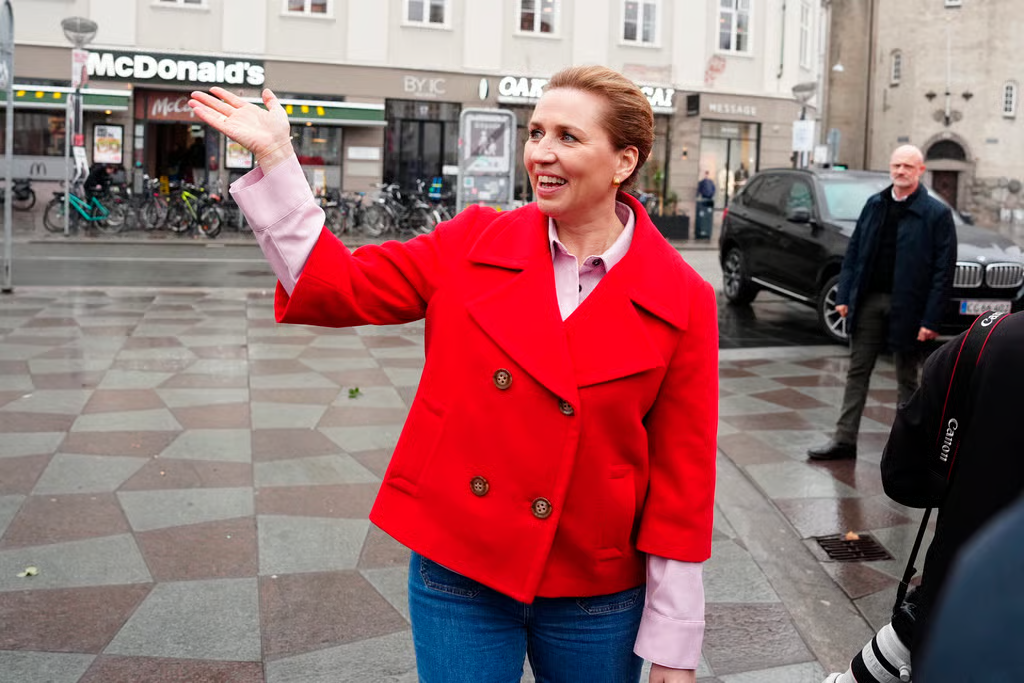
Danish Prime Minister Mette Frederiksen, the second woman to hold the office and the youngest prime minister in Danish history, called a snap election in February after her approval ratings surged following her refusal to accept Trump's demands that the United States take over Greenland. Politico reports:
“Prime Minister Mette Frederiksen is on track to win Denmark’s election despite her Social Democrats suffering one of their worst results in more than a century, after 99 percent of the votes were counted Tuesday night.
[Frederiksen's] Social Democrats are forecast to secure the most votes in the parliamentary election, despite getting just 21.9 percent of the vote, setting the stage for tough coalition talks that will likely last weeks, if not months…
… Frederiksen’s main conservative challenger, the Venstre party led by Troels Lund Poulsen, tallied just 10.1 percent of the vote, with the Liberal Alliance’s Alex Vanopslagh not far behind with 9.4 percent. The Green Left will finish in second place ahead of both, on 11.6 percent.
Denmark is split between a “red bloc” of left-leaning parties led by the Social Democrats, and a right-leaning “blue bloc,” led by Poulsen. Current Foreign Minister Lars Løkke Rasmussen’s centrist Moderates party — which scored 7.7 percent — is likely to have the final say in coalition talks.”
Coalition talks opened on March 25, with Frederiksen appointed as formateur and indicating she favors a coalition with the five red-bloc parties. A third term remains within reach, but will require difficult negotiations.
What Betsy Ross' Real Story Tells Us About Women's Work in the Revolution

As the U.S. marks the 250th anniversary of its independence, UMass Amherst historian Marla Miller offers a timely corrective to one of the most famous origin stories in American history and, in doing so, recovers something far more important than a legend.
The Betsy Ross story, as Miller writes, was never about designing one flag but about producing many and being one of thousands of women whose labor was essential to the nation's origins. No archival evidence confirms the famous "first flag" story, but ample documentation survives of the successful multigenerational flagmaking enterprise Ross launched and sustained with her daughter and granddaughters.
The real question at the heart of the legend, Miller argues, is one of production and not design. Ross, drawing on years of craft experience, was telling potential clients that five-pointed stars were faster to make. It is the story of a skilled worker asserting her expertise. Miller writers for the Conversation:
“Understanding Ross’ real life is important because her story offers a view of women’s massive wartime production of flags, uniforms, tents, knapsacks and more – and because of the deep pride she and women like her felt in their contributions to the independence movement.
Hundreds of Philadelphia women – including, briefly, Ross – manufactured ordnance for the Schuylkill arsenal. White, Black, Indigenous, enslaved and free women provided labor in the form of nursing, cooking, and making and maintaining clothes that was essential to military encampments. Women shaped diplomacy directly, especially among Indigenous peoples, and indirectly as they shared their perspectives with husbands, fathers and sons. They also managed affairs for absent family and stretched scarce resources to sustain wartime households.
Whatever she did or did not offer to the making of the first U.S. flag, Elizabeth Griscom Ross Ashburn Claypoole certainly enjoyed a long career in flagmaking.”
EMILY's List Puts Women at the Center of the House Majority Fight

With Democrats needing only a handful of seats to flip the House of Representatives, EMILY's List is making a deliberate bet that women candidates are the path to the majority and putting real infrastructure behind it. Their new initiative, Mission Majority, establishes a strategic field encompassing over 50 competitive House races, including contests involving frontline incumbents, opportunities for party flips, and new districts where Democrats possess a viable chance. In each district, EMILY's List is recruiting, training, and working alongside Democratic women candidates it calls "Majority Makers." In a press release for the initiative, they quote EMILY's List President Jessica Mackler:
“In 2026, Democrats’ path back to a U.S. House majority runs straight through EMILY's List women. With our Mission Majority initiative, EMILY's List is building the battlefield — recruiting, training, and working alongside the Democratic women in the districts that will flip control of the House. We’ve been here before. In 2018, facing a daunting 23-seat deficit, Democratic women didn’t just compete — they delivered the majority. Now, with the future of our country on the line, EMILY's List is once again leading the charge.”
The most recent expansion of the initiative added endorsements in two new districts worth watching: Lauren Babb Tomlinson in California's newly created 6th Congressional District in the Sacramento suburbs, an open seat Democrats need to win Tomlinson for Congress, and Pia Dandiya in Florida's 21st Congressional District, running against incumbent Brian Mast in a district that includes Palm Beach County, where Emily Gregory just demonstrated this week that the terrain is shifting. EMILY's List does this work on the Democratic side; the infrastructure exists for Republicans to do the same. The question heading into 2026 is whether both parties treat women's representation as a strategic priority, or only one does.
The Woman Who Made the Machine that made Zohran Mamdani

Zohran Mamdani’s election as New York City’s first Muslim, first South Asian, and first millennial mayor was widely described as one of the biggest political upsets in decades. A new New Yorker article by Molly Fisher pulls back the curtain on the woman behind the operation that made it possible.
The campaign's field operation was led by Tascha Van Auken, a veteran grassroots organizer who had previously run campaigns in high profile races like State Senator Julia Salazar and served as Deputy Campaigns Director for the Working Families Party. On the Mamdani campaign, she spearheaded a historic operation that mobilized more than 100,000 volunteers, knocked on over 3 million doors, and made more than 4.5 million calls, producing the highest voter turnout in a New York City mayoral race since 1969. Fisher writes about the ramifications of said grassroots mobilization in her piece:
"Mamdani’s primary upset in June, 2025, marked a triumph for Van Auken’s electoral philosophy. It also arrived at a difficult moment: ten days later, her mother died, following a long illness. “She would have been very excited by all this,” Van Auken told me.
After the primary, she was put in touch with Ganz, who had been watching the campaign with interest, and who now teaches at Harvard’s Kennedy School. “She’s for real,” he told me. “That’s no small thing.” Since then, they’ve continued to talk about the challenge of translating a movement campaign into government. “We have a lot of experience with that not working,” Ganz said. “This is an opportunity to make it work.”
The day-to-day responsibilities of public service lack the bright clarity of a campaign: there is no win number once you’re in office. When I asked Van Auken how she’d define success in her new role, her answer was direct but general. “If we’re able to launch a city-wide initiative around a mayoral priority that allows thousands of New Yorkers to participate,” she said, “and continue organizing together and working together long term, beyond the initial campaign, that is how we’re defining what we want to do.” The Office of Mass Engagement has not yet announced what campaigns it might undertake, though it has been staffing up. “Government only works when it’s accountable to those it serves,” Mamdani said in a statement. “Tascha’s work is a testament to that belief. It’s never been about one election.”
March Madness Schools are also Running RCV Elections
As the nation's attention turns to the Final Four in Indianapolis with Duke, Michigan, Arizona, and Florida as this year's top seeds, it's worth noting that the campuses producing this year's basketball stars are also quietly running some of the country's most robust experiments in ranked choice voting.
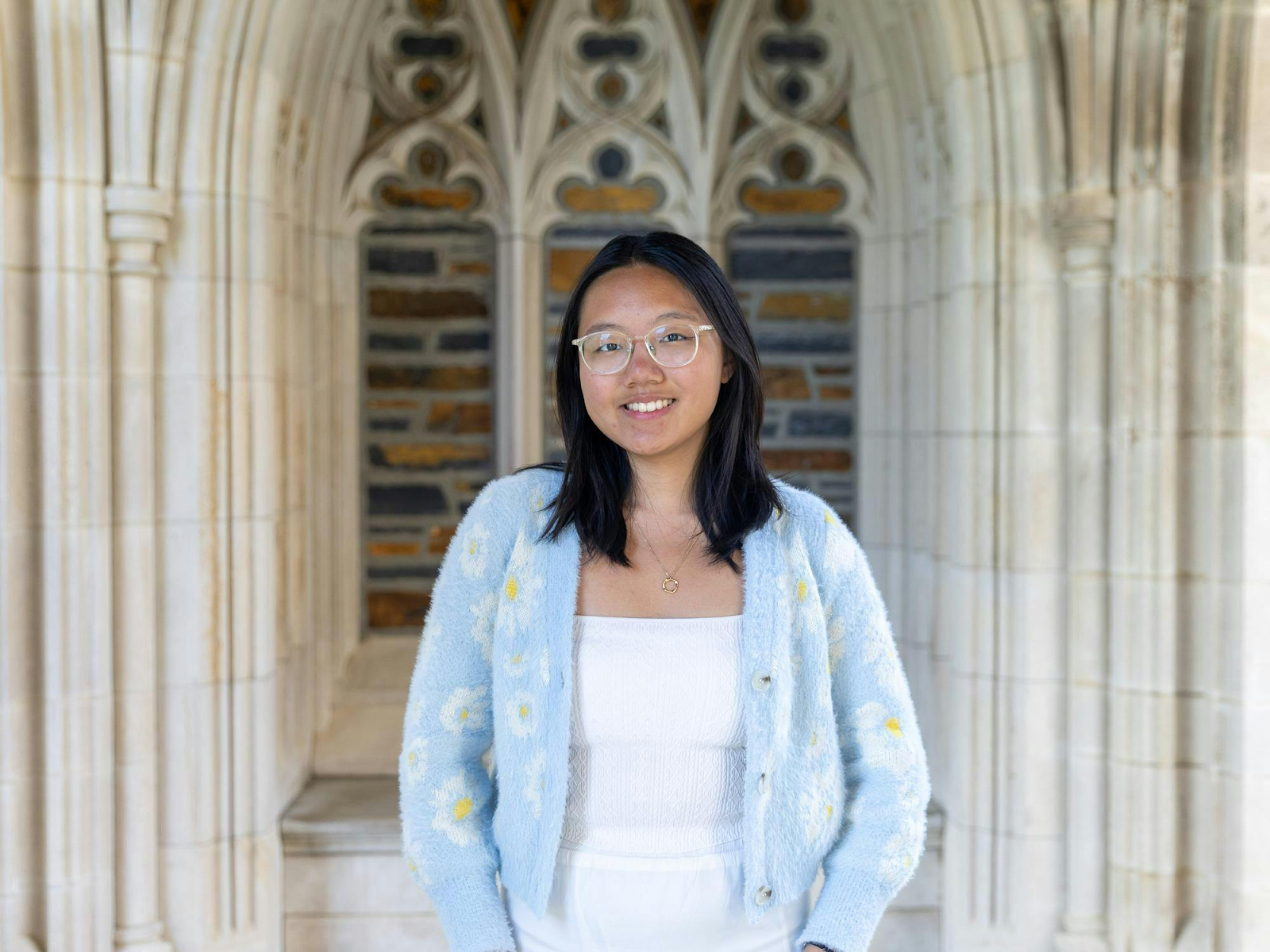
At Duke, junior Angela Chen was elected Student Government president this week using ranked choice voting in a competitive three-way race. The Duke Chronicle reports:
“In the first round, Chen initially received 932 first-rank votes, junior Yash Sharma received 431 votes, sophomore Bowen Gao received 332 votes and junior Edison Chen received 317 votes.
Under ranked-choice rules, the last place candidate is eliminated, and their ballots are redistributed to the remaining candidate the voter ranked next. Edison Chen was eliminated, and his 317 votes were redistributed accordingly.
In the second round, Chen received 1,010 votes, leaving her the winner with 51.9% of the vote. Sharma received 497 votes and Gao received 441.”
With three candidates splitting the first-choice vote, RCV's instant runoff did exactly what it's designed to do: a third candidate was eliminated and their votes redistributed, producing a majority winner with 51.9% of the vote. Turnout also increased, with 133 more votes cast than in last year's election.
Duke is not alone. Well over 100 American colleges and universities now elect their student leaders with RCV and the list keeps growing. These institutions are responsible for training the next generation of civic leaders. The adoption of RCV for internal elections constitutes a subtle yet significant indication of the direction electoral reform is taking and which generation will champion its advancement.
Trump Has Now Fired Both Women He Put in His Cabinet
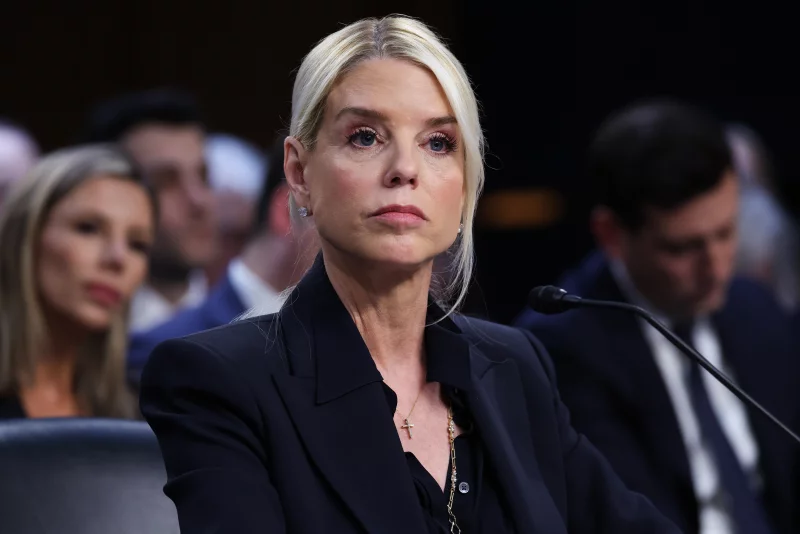
In a development worth flagging for anyone tracking women's representation in executive leadership, President Trump announced Thursday that Attorney General Pam Bondi is out, according to sources, after the president grew frustrated with her handling of the Jeffrey Epstein files and her failure to aggressively pursue prosecutions of his political opponents. She becomes the second Cabinet member axed by the president. Kristi Noem was fired last month as Homeland Security Secretary after a troubled tenure at DHS.
Bondi was one of just a handful of women ever to serve as US Attorney General, preceded by Janet Reno and Loretta Lynch. CBS News Both women Trump elevated to Cabinet positions are now gone while male Cabinet members overseeing arguably larger failures, from economic policy to the Iran war, remain in place.
Both Noem and Bondi had real and well-documented shortcomings in their roles. Nonetheless, the selective accountability warrants mention. The administration, which commenced with significant acclaim regarding its female appointees, has now replaced both of them while retaining their male counterparts. Bondi will be replaced on an interim basis by Deputy Attorney General Todd Blanche. The implication is not that these specific women were necessarily deserving of continued tenure but rather that the pathway into leadership is only as substantive as the institutional frameworks that provide support for women once they attain those positions.




P.S. — I’m excited to announce the launch of our new monthly Democracy Solutions Series, which kicks off on Wednesday, April 15th at 6 PM ET via Zoom! As promised during our Democracy Solutions Summit, this series will build off the conversations started during our three-day event, allowing topics to be discussed in greater depth. This month, we’re kicking off our series with a timely conversation: The Voting Rights Act and Women’s Representation: What’s at Stake Now! We hope you will join us!