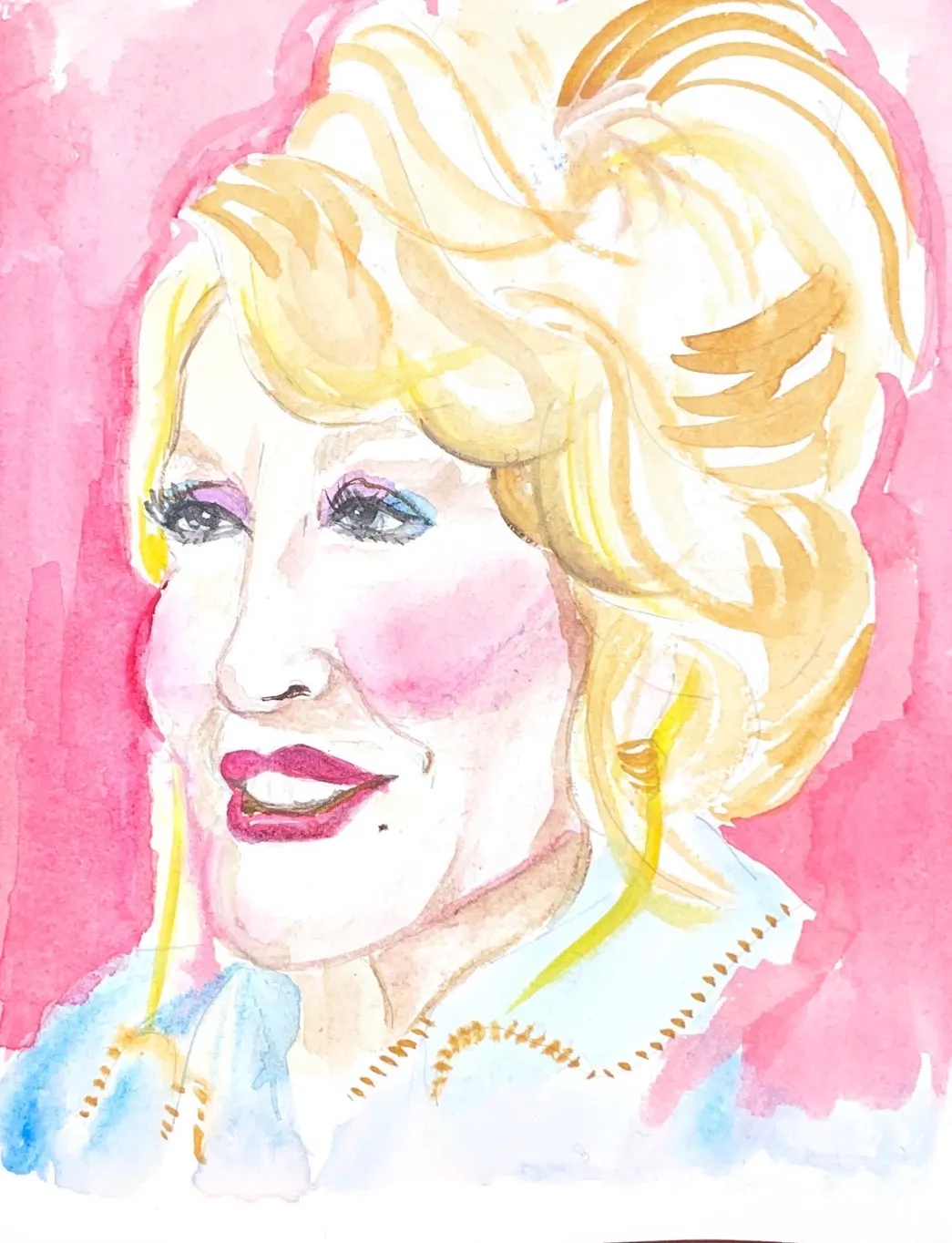
The Case for Naming an Airport After a Woman Has Existed for Years. It Took Dolly Parton to Make It Stick.
Sep 03, 2026
This article originally appeared on RepresentWomen's Substack.
Not one of America’s fifty busiest commercial airports has ever carried a woman’s name on her own. There are a handful of terminals & areas named for a woman including: a general-aviation field in Amelia Earhart’s Kansas hometown, a terminal named for her at Purdue’s airport since last year, the Barbara Jordan Terminal at Austin’s airport, an airfield in California named for Jacqueline Cochran, who led the Women Airforce Service Pilots in World War II. Little Rock’s airport includes a woman’s name too, but only alongside her husband’s, as Bill and Hillary Clinton National. None of that has ever reached the level of a major hub, the kind of airport that shapes how this country introduces itself to the traveling public. Nashville is now poised to become the first, and Tennessee’s Metropolitan Airport Authority should follow through when it takes up the question on September 17.
I have been making some version of this argument for over a decade, about a woman gone for over half a century and a woman who was still very much alive. In 2016, I petitioned to rename Washington Dulles International Airport for Eleanor Roosevelt, who had died in 1962. Two years later, when Justice Sandra Day O’Connor stepped back from public life after her Alzheimer’s diagnosis, I wrote that our most prominent international airport should carry her name instead, while she was still here to know it. Neither the historical case nor the living one moved an airport authority to act.
I was not alone in trying and coming up short. In 2019, a project manager named Tiffany Miller led a campaign to rename Oakland International Airport for Maggie Gee, one of the first Chinese American women to fly for the military, a case with its own compelling history behind it. That effort did not succeed either. What finally moved a governor and an airport authority was something else entirely: the sudden, national scale of grief for Dolly Parton, an artist whose reach made the case for her in a way no petition ever has.
I am glad they are moving. But it is worth sitting with what that says. The evidence for honoring women this way was never in short supply, and it was never limited to women we had just lost. It simply was not enough on its own until now.
The evidence for honoring women this way was never in short supply, and it was never limited to women we had just lost.
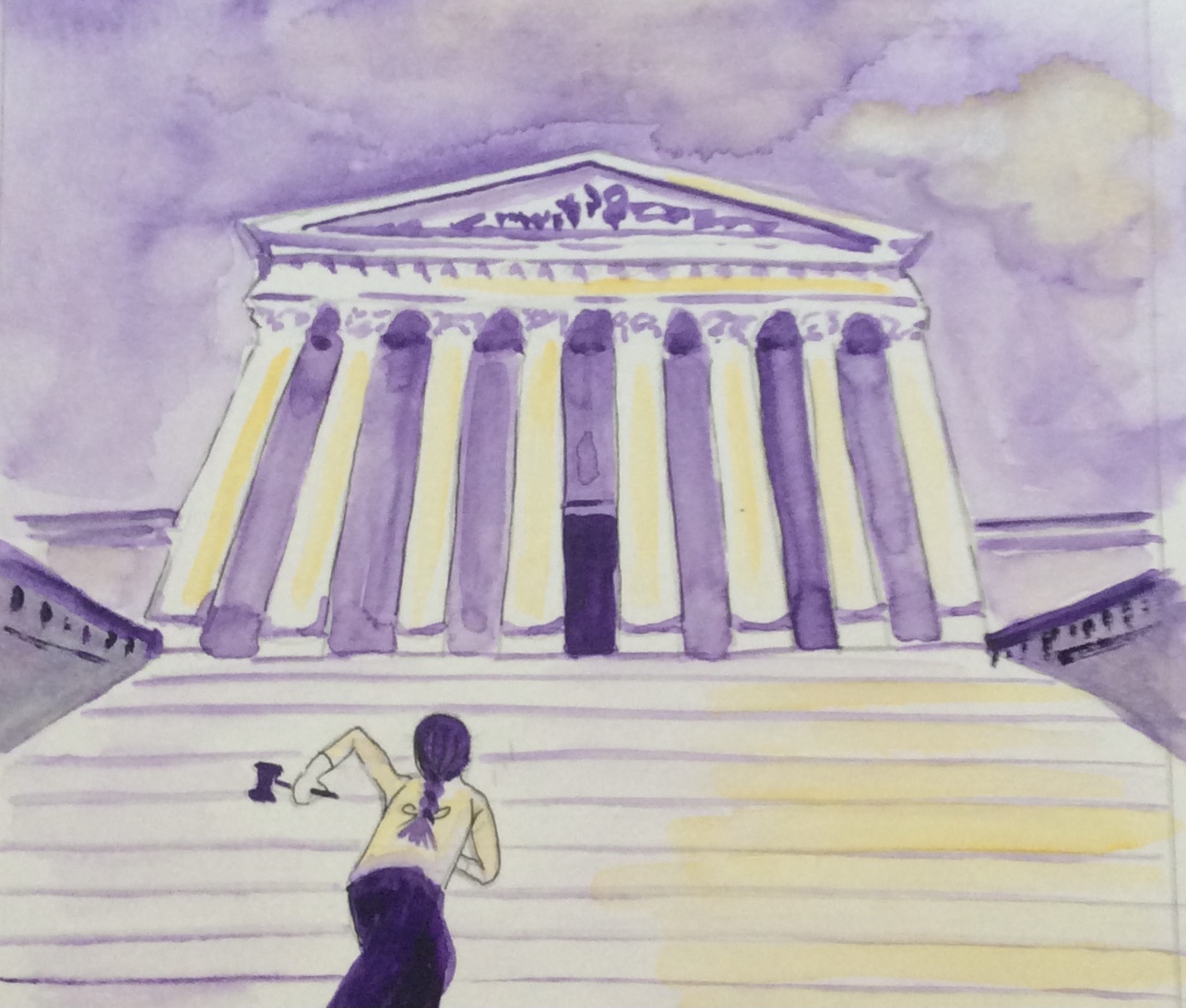
The pattern is not limited to airports. Look at how many buildings, bridges, courthouses, and public institutions across this country carry a man’s name, and how few carry a woman’s, and you find the same story: recognition for women tends to arrive late, arrive reactively, or not arrive at all. At RepresentWomen, where I work on the barriers women face running, winning, and serving in elected office, we spend most of our time on structural questions, like why winner-take-all elections produce legislatures that look nothing like the country they represent. But the airport question points to something adjacent and just as telling. It is not only that women are underrepresented in the rooms where decisions get made. It is that even the built landscape around us, the names we put on the places millions of people pass through, has been designed by default to remember men and overlook women.
Dolly Parton earning this recognition is not a small thing. It would make her the first woman honored on one of the country’s busiest airports, a genuine milestone. But one airport is not a pattern, and I would ask three things of the officials watching this unfold elsewhere.
First, the Metropolitan Nashville Airport Authority should finalize this at its September 17 meeting, including revisiting the two-year posthumous waiting period in its own naming policy so it does not become an obstacle to something the public and the governor have both already endorsed.
Second, other governors and airport authorities should not wait for a loss of this magnitude to ask whether their own major hubs reflect the full history of the people who built this country. Eleanor Roosevelt is still not on Dulles. Sandra Day O’Connor is still not at any major airport. Oakland never took up Maggie Gee’s name, either. There is no shortage of women whose contributions merit this kind of permanent recognition, and no reason that recognition should depend on a national outpouring of grief to materialize.
Third, and more broadly, I would ask anyone who finds this story moving to sit with why it moved them, and to bring that same instinct to bear on the living. Naming an airport after a woman we have lost is a fitting tribute. Making room for women’s leadership in the institutions still deciding the country’s future, in Congress, in state legislatures, in city halls, is the harder and more urgent version of the same work.
Dolly Parton spent her life making sure people who started with very little were not overlooked. Tennessee has a chance to honor that instinct properly. The rest of the country should not need a headline like this one to do the same.
%20(3).png)
.png)