Op-Eds
June 23, 2025
Excerpted from With Ranked Choice Voting in NYC, Women Win, by Cynthia Richie Terrell and Ebonie Simpson:
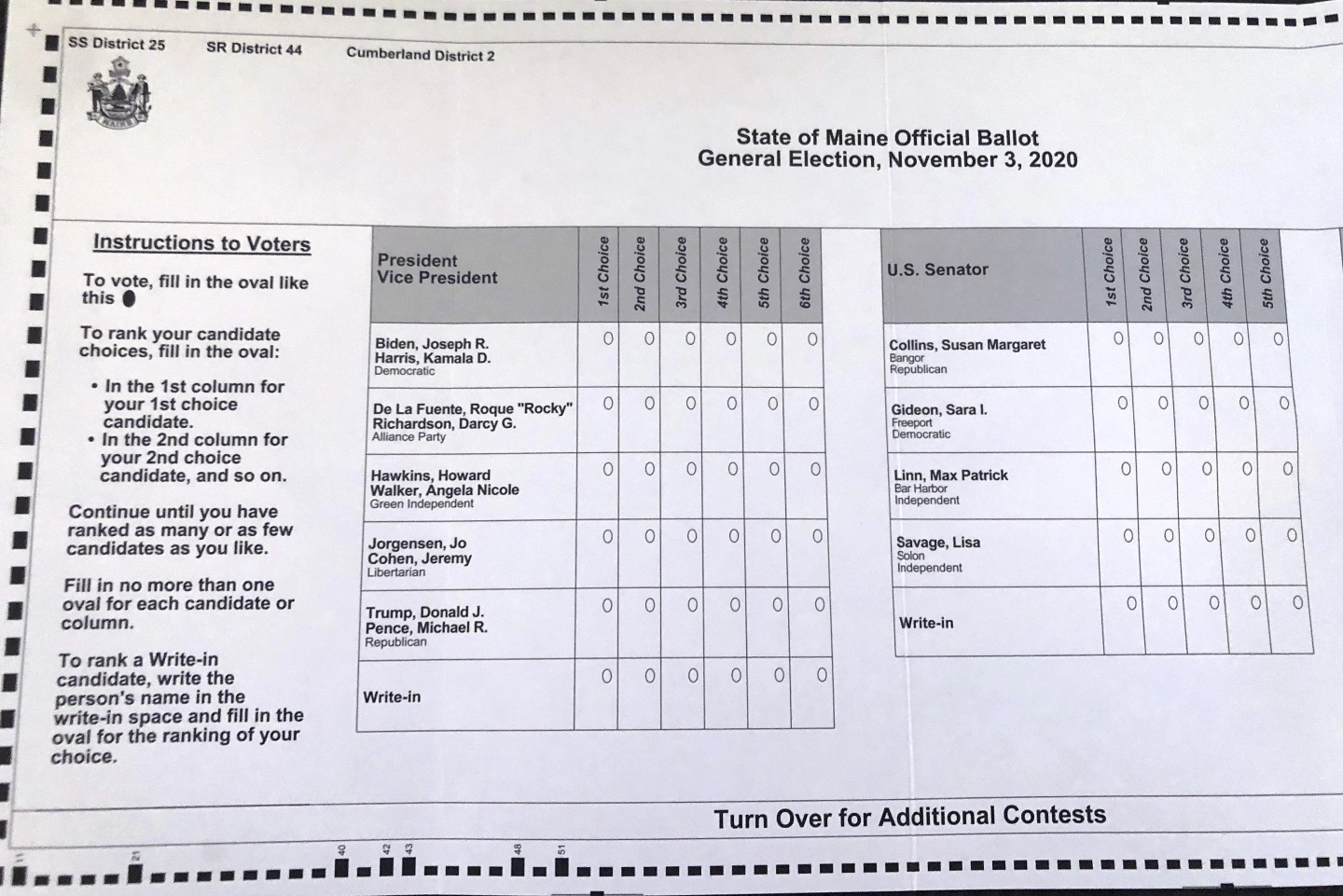
As New York prepares to choose its next city council and mayor in primaries this week, it’s worth remembering that the road to gender equality in the nation’s largest city has been long and slow.
Before 2021, New York’s 51-member council had always been majority male. Women hadn’t even gotten close to a majority. The best showing had been 18 seats, just a tick above 35 percent.
That all changed with ranked choice voting (RCV). In 2021, voters elected not only a women-majority council but nearly doubled the previous high, with 31 seats.
RCV helped make the difference. Why is this? Research finds that women have better opportunities to run and win ranked choice elections. More women can jump into the race without fear of splitting the vote with one another—and without being told to “wait their turn.”
It’s not just New York. In 2024, St. Paul, Minn., made history with an all-female city council—a first for the Minnesota state capital, but also, experts said, for any major U.S. city. In addition, all seven women were under 40. Six out of the seven councilors elected were women of color.
Whether in red Utah and Alaska, blue California, or purple Minnesota, the results were uniform: as cities introduced ranked choice voting, more women ran and won, and states and localities that had never before come close to gender equity now approached or surpassed it. In 2024, Alaska elected more women than men to its state legislature for the very first time.
Read the full article here.