Op-Eds
August 13, 2026
This article by RepresentWomen's Cynthia Richie Terrell was published on RealClearPolitics (RCP) in August 2026. The Democratic National Committee proposed to ban state parties from using ranked choice voting to select delegates in the 2028 presidential primary cycle, Cynthia published the article as a response. Read an excerpt below:
There’s a theme in Democratic commentary this summer: Voters don’t care about the party’s internal fights, they care about the affordability crisis. So Democrats should stop navel-gazing around internal governance and get back to kitchen-table issues. It’s a reasonable instinct much of the time. Most DNC personnel disputes really are inside baseball.
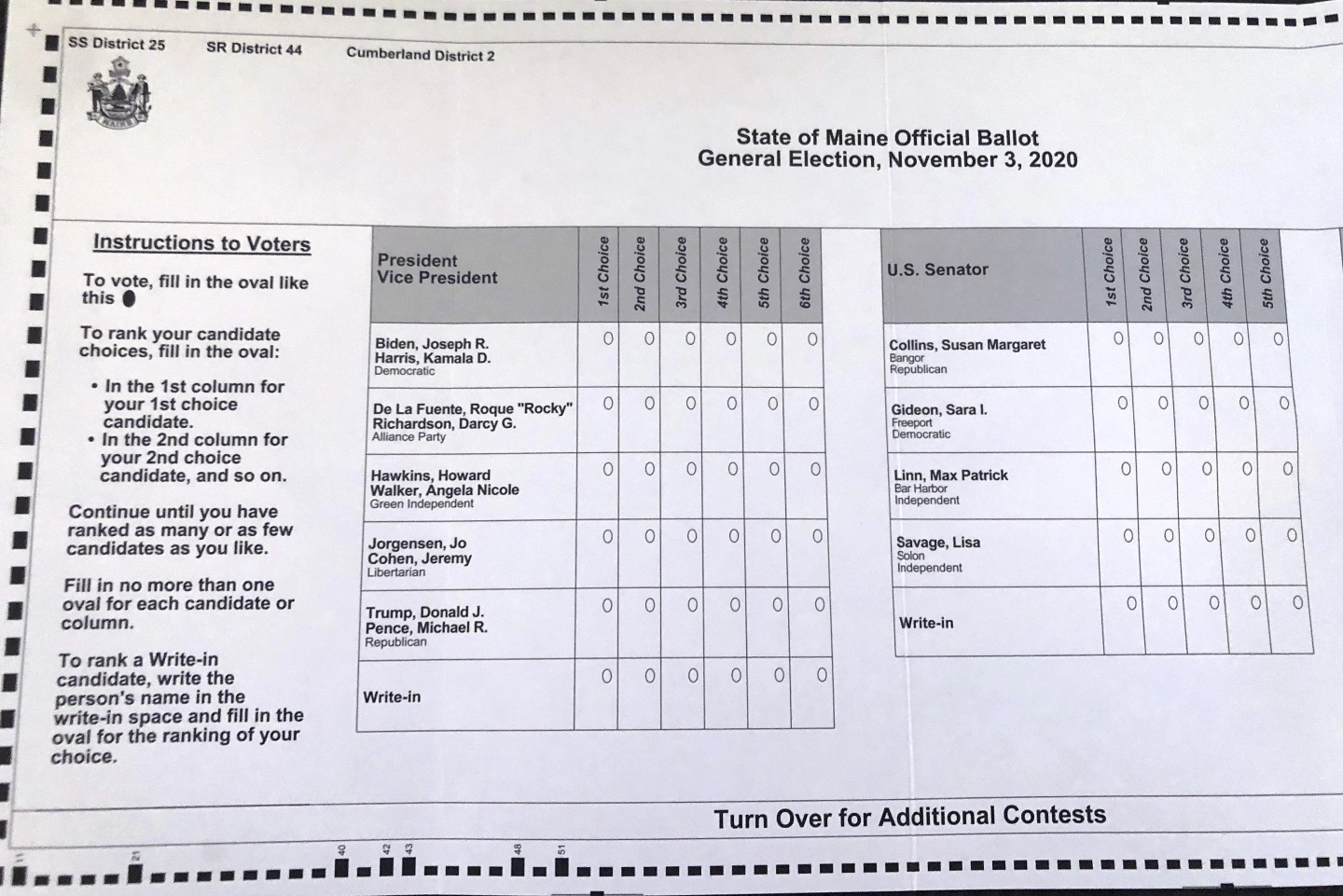
But that framing should not be used to wave off a decision that isn’t inside baseball at all. In mid-August, the DNC is set to finalize a rule banning state parties from using ranked choice voting to select delegates in the 2028 presidential primary cycle – overriding laws that voters in Maine and Washington, D.C., passed for themselves and plans in several states where parties run their primaries. It has gotten little national press coverage, yet is exactly the kind of “internal politics” story that actually determines whether voters get the kind of candidates they say they want.
There’s a narrow case for why this ban is so wrong-headed. Ranked choice voting (RCV) would be used to give a second chance to voters whose candidate finishes below the 15% threshold that the party establishes to earn delegates with proportional representation. In four states where RCV was used in Democratic presidential primaries in 2020, 98% of voters ended up with their vote counting toward a candidate earning delegates. A total of 99.8% of voters cast valid ballots, and nearly 90% of backers of trailing candidates ranked a backup who won delegates.
But there’s a broader point about democracy that matters to most Democrats. New polling by my organization, RepresentWomen, conducted with Murmuration, found that Americans across party lines want more voter choice. Seventy-eight percent said it’s more important for voters to have flexibility to support their preferred candidate than for parties to control who’s on the ballot. Nearly six in 10 said the country needs major changes to how elections and representation work. This is not a fringe sentiment. It’s the broad public verdict on elections that frustrate and alienate voters.
Read the full article here.