Op-Eds
April 27, 2023
Here is an excerpt from the article:
Around the world, women’s representation in politics continues to suffer. According to United Nations Secretary General Antonio Guterres, gender equality is not only 300 years away, but it is “vanishing before our eyes.” Women’s rights continue to be rolled back, gender stereotypes persist, and gender-balanced governance has yet to be established as an international norm.
Diversity in politics is important for many reasons
Whoever is at the table when decisions are made impacts whose concerns are addressed, what approaches are used, and the creativity of solutions offered. Women bring issues to the table beyond what are typically deemed as exclusively “women’s issues.” That’s because women approach challenges differently than men. The foundations of American democracy rely on inclusive civil discourse – discourse that is ineffective when a plethora of perspectives are excluded.
The ultimate gatekeeper: our electoral system
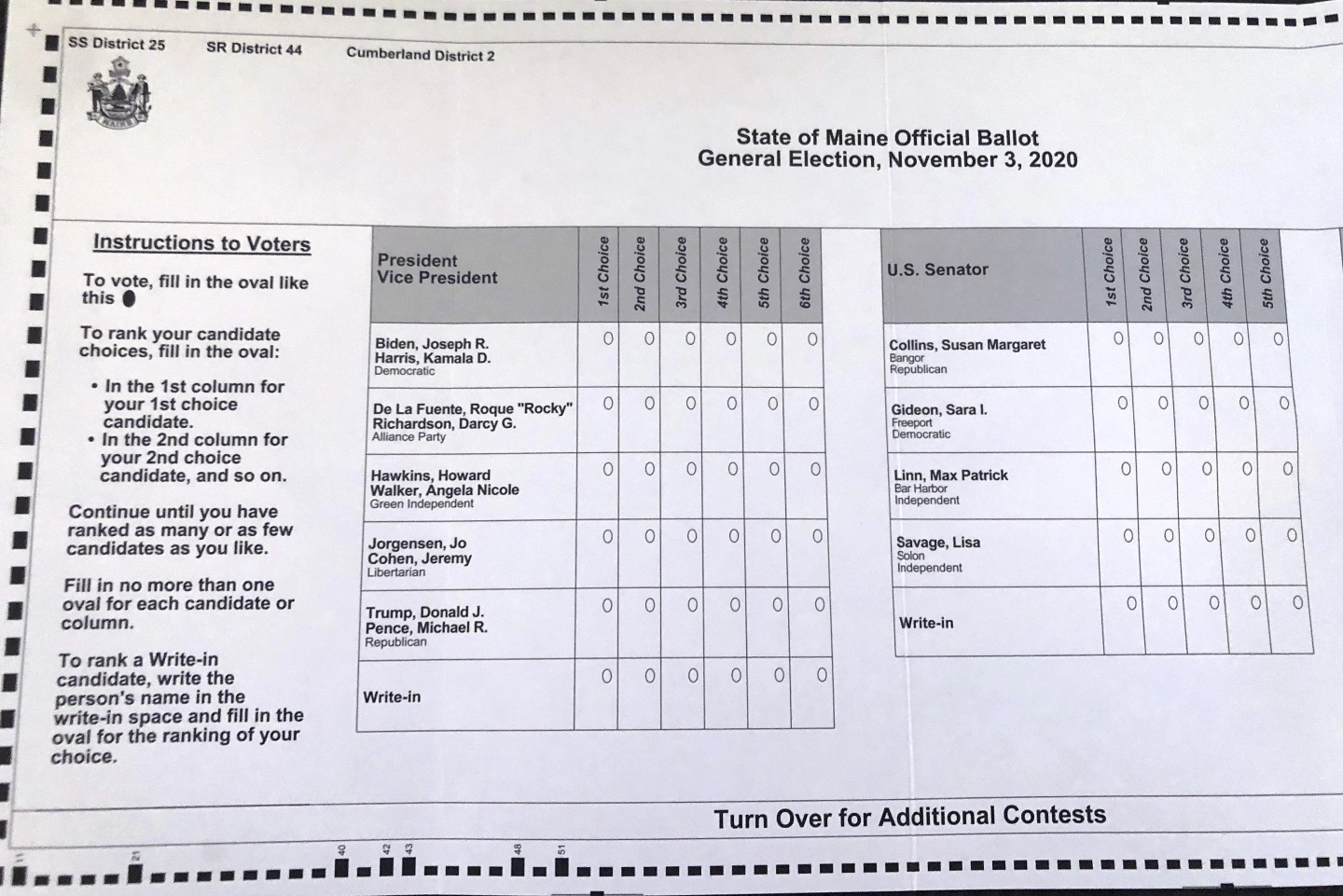
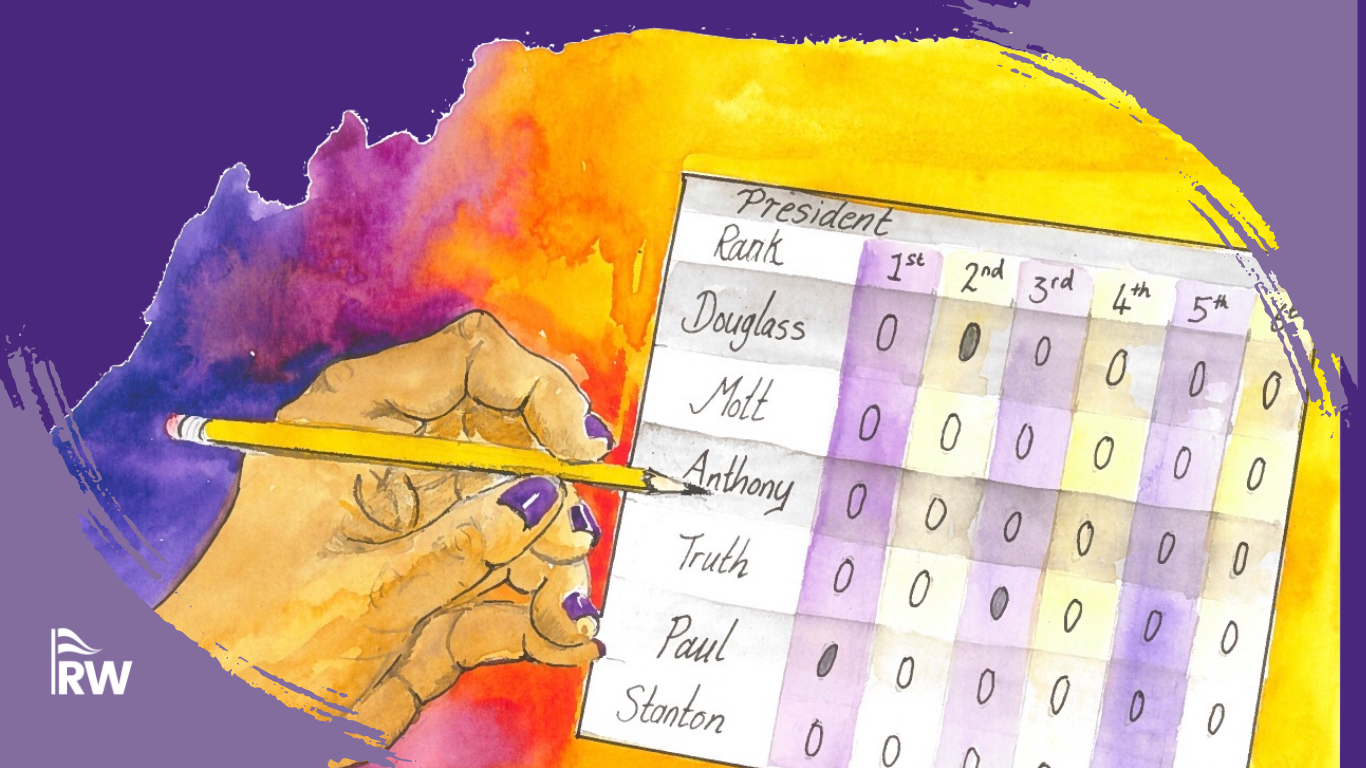
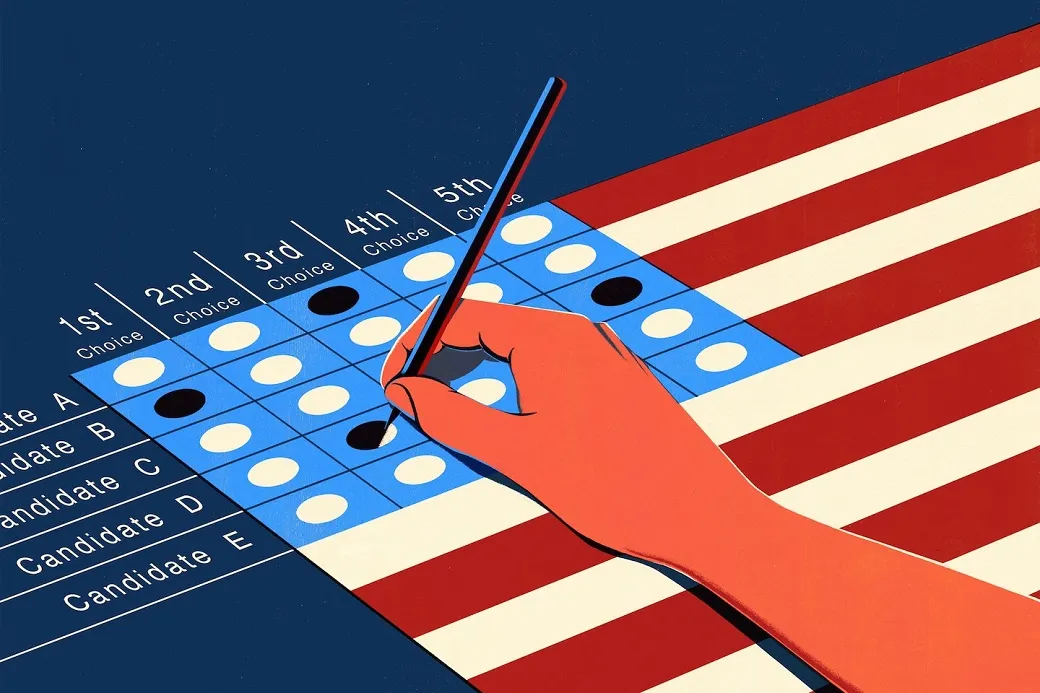
RepresentWomen’s research shows that one of the biggest determinants of who wins elections is the electoral system. These systems dictate how ballots are counted, who is on the ballot, how voters strategize, and the amount of power voters have. The same ballots cast in different electoral systems – plurality at-large vs winner-take-all districts vs ranked choice voting vs proportional representation – can yield completely different results, in terms of who gets elected.
Read the full article here.