.png)
Op-Eds
May 12, 2021
Here is an excerpt from the blog:
In 2019, the European Union made headlines when it selected Ursula von der Leyen, the first woman in the institution’s history, to serve as President of the European Commission. The Commission, a 27-member group with one commissioner appointed by each EU member state, serves as the European Union’s executive branch, responsible for proposing legislation and managing diplomatic relationships between the nations of the EU and its allies. Concurrent with von der Leyen’s election, the Commission neared gender parity, with a total of 13 women appointed to the executive body.
One of the key tenets of von der Leyen’s vision for the European Union is promoting a “Union of Equality.” Under her leadership , the Commission launched the Gender Equality Strategy; the plan lays out policy objectives and actions to make significant progress towards a gender-equal Europe by 2025.
Key objectives include: ending gender-based violence, challenging stereotypes, closing gaps in participation across different sectors of the economy, addressing pay and pension disparities, and ensuring gender balanced representation in decision-making and in politics.
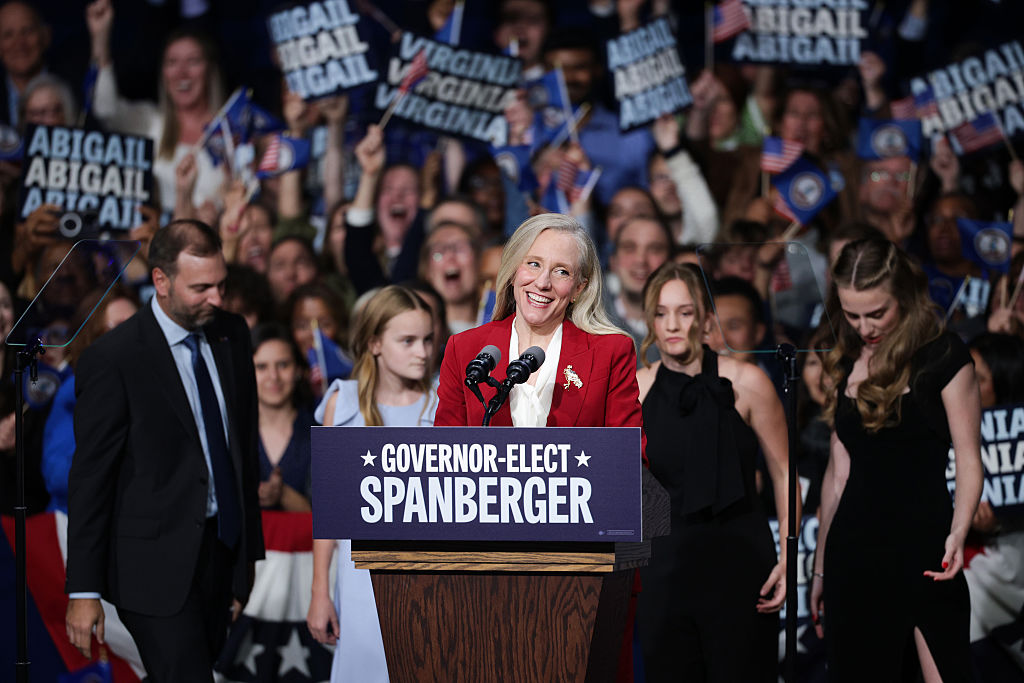
Arguably one of the most important objectives is achieving gender balance in decision-making and in politics. In order to make sound policy decisions to address gender inequality holistically, women need a seat at the table. As it stands, 51% of people residing in the European Union are women; but, in most EU member states’ national parliaments women make up 40% or less of parliamentarians. However, women’s representation in the European Parliament, the EU’s supranational legislative body, is above the average of women serving in EU states’ national parliaments.
Read the full blog here.
.jpg)