.png)
Op-Eds
January 30, 2020
Excerpted from Addressing De Jure Inequality: UAE Reaches Gender Parity in Federal National Council by Appointing Women, by Faith Campbell:
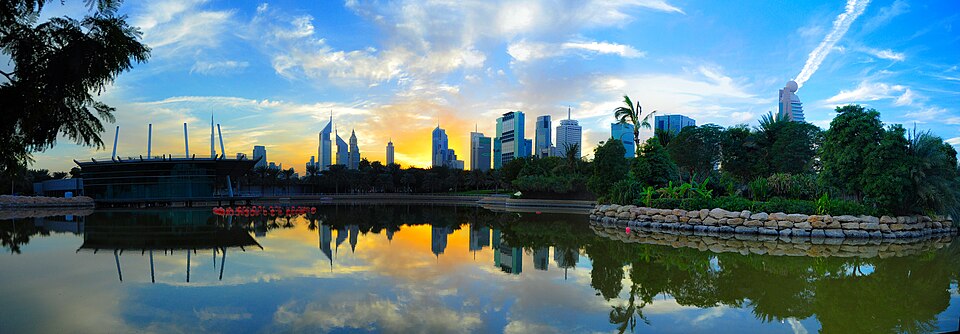
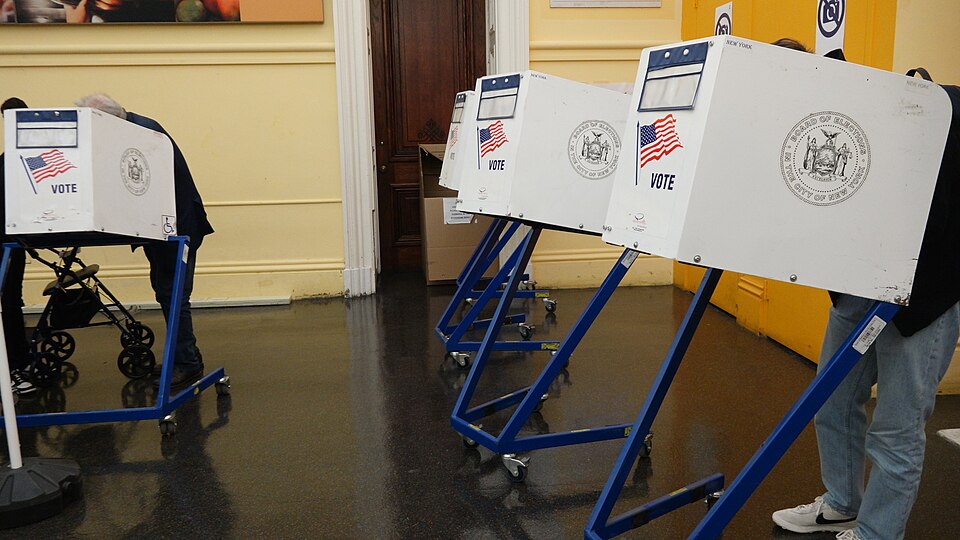
The UAE held an election in October of 2019 with the purpose of electing twenty members of the Federal National Council (FNC). What makes this election special is its arrival after a directive from President Sheikh Khalifa to reach gender parity on the council. The FNC has a total of forty members twenty who are elected and twenty who are appointed. Out of the twenty elected in 2019, seven were women, up from the previous record of one. The directive issued by the President was not fulfilled, and in order to reach the goal of gender balance thirteen women had to be elected. Is it truly gender parity if in order to to achieve it women need to be appointed? Short answer, yes; but with most things in politics, it’s a bit more complicated.
To understand the current situation concerning gender parity in the UAE, knowledge of the political structure of the UAE is required. To give a brief summary of the federal political structure of the UAE:
"The body with the most power is referred to as the Supreme Council of Rulers. It is composed of one representative from each of the emirates (seven in total). From that council, a President and Vice President are elected for five-year terms. The President then nominates the Prime Minister who appoints their Cabinet. Lastly there are the forty members of the UAE parliament known as the Federal National Council (FNC)."
It is important to note the eligibility of voters has been evolving. This election increased the number of registered voters from 224,279 to 337,738.
The UAE has been striving to improve the conditions of women within their region for roughly two decades, and they certainly want to improve their image on the issue as well. While progress may be far from complete, the steps towards gender equality in the country has been applauded by the United Nations Human Rights Council. The UAE is one of the leading nations in the Middle East and Northern Africa region for gender inclusivity. In a region where gender equality is far from achieved, why would the UAE be a frontrunner? Why does the government care so much?
You can read the complete post here.
.jpg)