Videos
February 5, 2020
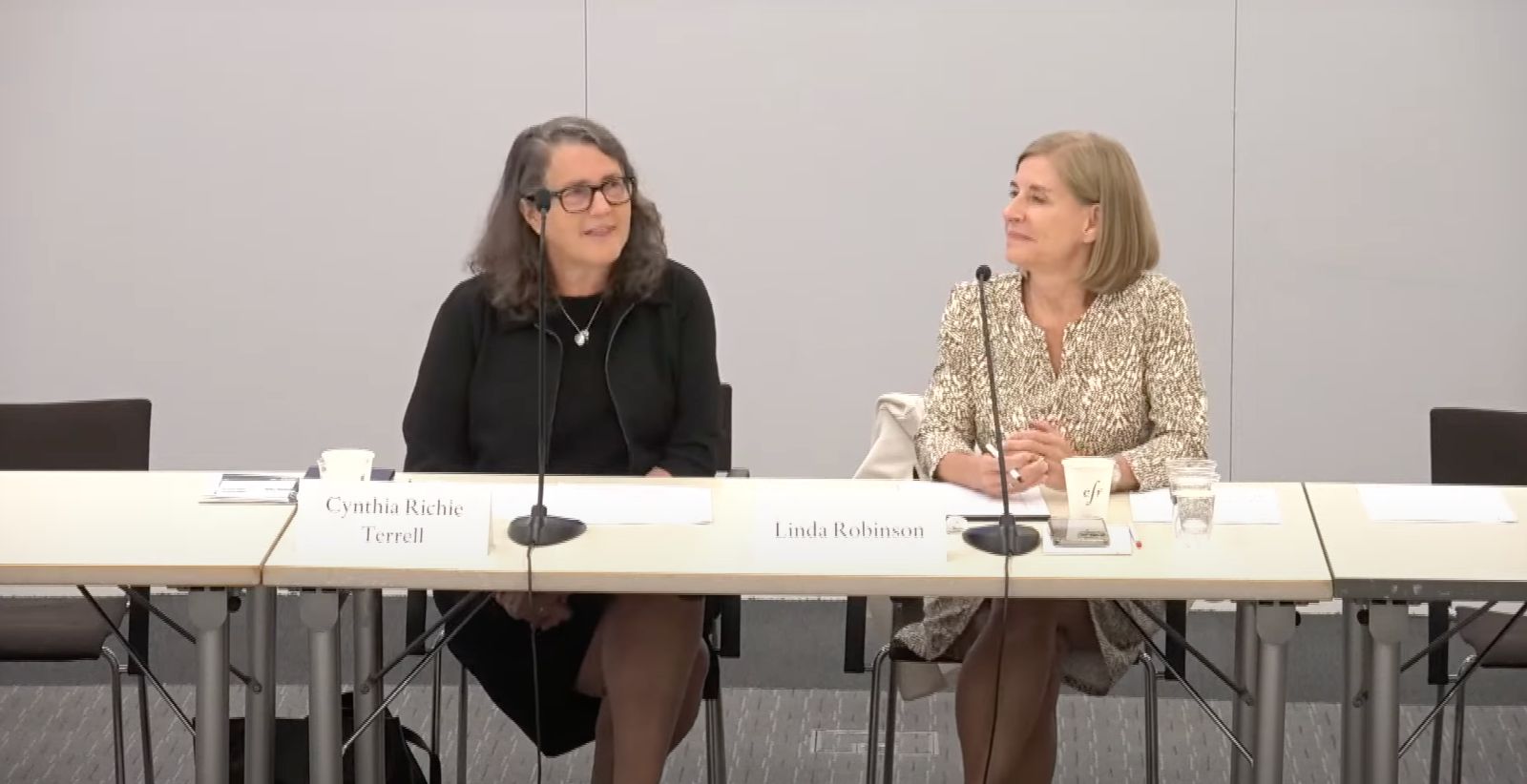
Cynthia Richie Terrell speaking at the Free & Equal Elections Foundation’s 2019 Annual Electoral Reform Symposium about the Fair Representation Act and ranked choice voting.
At the Free & Equal Elections Foundation’s 2019 Annual Electoral Reform Symposium, Cynthia Richie Terrell explains why the Fair Representation Act (FRA) is a structural fix to America’s “winner-take-all” problem. By combining larger, multi-member districts (3–5 seats) with ranked choice voting, the FRA would ensure more voters help elect someone they support, end the gerrymander incentives, reduce hyper-polarization, and open space for ideological diversity, women, and communities of color to win and govern.
Key points
- What the FRA does: Keeps the size of the U.S. House the same but combines single-member districts into larger, 3–5 seat districts that use ranked choice voting.
- Why it matters:
- More fair seats: Minority viewpoints in “safe” states (e.g., Democrats in Oklahoma, Republicans in Connecticut) gain a path to representation.
- Ends gerrymandering incentives: When multiple members are elected per district with RCV, line-drawing can’t predetermine outcomes.
- Rewards coalition-building: Candidates must appeal beyond their base to earn second/third rankings, cooling zero-sum warfare.
- Greater inclusion:Women and candidates of color gain more viable paths to office when vote-splitting barriers drop.
- How it changes incentives: Shifts members from defending carved-up turf to working together for shared constituents inside multi-member districts.
- Feasible path: FRA is statutory (no constitutional amendment required) and aligns with American voter preferences for candidate-centric elections.
Notable quotes
- “Winner-take-all rewards polarization and protects incumbency; the Fair Representation Act puts voters—not district lines—back in charge.”
- “With 3–5 seat districts and ranked choice voting, voters finally elect ideological diversity within parties.”
- “FRA doesn’t grow Congress. It grows competition—and representation.”
What you’ll learn
- How multi-member districts + RCV work together to translate votes into seats more fairly.
- Why FRA is the most direct federal route to tackling gerrymandering, safe seats, and plurality winners.
- The representation gains for under-represented groups, including women and communities of color.
- Why doing this nationwide at once avoids disadvantaging any single state.
%20(1).png)