In the News
April 22, 2022
This article was published on the Fulcrum, discussing the retirement of Sen. Dianne Feinstein and the complicated issues facing women's political careers, citing information from our website on the ages of women in office. Read an excerpt below:
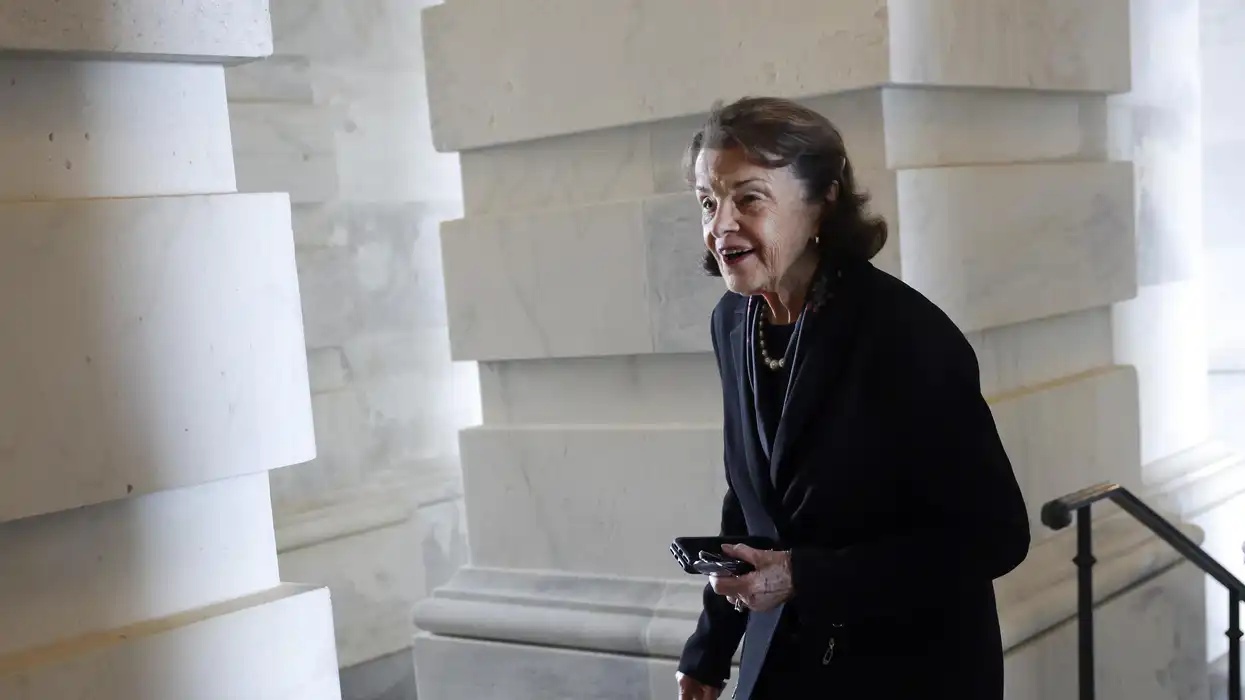
Over the past couple of years, there has been a stream of reporting and rumors about the mental capacity of Sen. Dianne Feinstein, who at 88, is currently one of the oldest members of Congress. Most recently, multiple colleagues told the San Francisco Chronicle that they no longer believe Feinstein is fit to serve, with one saying the senator forgot who they were multiple times during a conversation.
In a phone call, Feinstein told the San Francisco Chronicle’s editorial board that she had not heard concerns about her cognitive ability directly. “I’m not isolated. I see people. My attendance is good. I put in the hours … And so I’m rather puzzled by this,” she said. Feinstein’s office did not respond to a request for comment from The 19th.
Regardless of her capacity, the reporting has raised questions about Feinstein and retirement once again. Feinstein still has two years left to her term and told the San Francisco Chronicle she intends to complete it. She has not yet said whether she will run again in 2024.
Most Americans who continue working past the traditional retirement age of 65, when people qualify for Medicare benefits, do so because they cannot afford to stop. In an AARP survey of older adults from 2018, money was cited as one of the most common reasons respondents put off retirement. This is not an issue for Feinstein: The website Open Secrets, which tracks money in politics, estimates that Feinstein is the second wealthiest person in the Senate.
Concerns about the cognitive capacity of elected officials are not new. In 1996, Kevin Sack wrote in The New York Times about then 93-year-old Senator Strom Thurmond’s seeming confusion during a speech. Thurmond went on to serve seven more years, until his death at 100 years old. Similar concerns were raised about Senator Robert Byrd before his death in office at 93.
But experts say that Feinstein choosing to stay in the Senate well into her 80s could be making up for lost time in the political sphere. Women in politics like Feinstein face unique practical challenges involving family life and perceived competence.
Women in politics have historically started their careers later than men. “The gendered expectation is that you need to be home with your children,” said Suzanne Chod, a professor of political science at North Central College who focuses on women in American politics. House Speaker Nancy Pelosi, for example, didn’t run for office until her youngest child had left for college. She was 47 years old. Pelosi is currently 82 and while she has faced accusations of dementia, the attacks come more or less exclusively from the political right.
Read the full article here.
.jpeg)